This pound cake with the Thermomix® comes together in under one minute of mixing time and yields a moist loaf for 12 servings. Here is the quick core method: whip 200 g of room-temperature butter, 150 g of sugar and 1 sachet of vanilla sugar for 2 minutes at speed 4 until fluffy, then add 4 eggs one at a time through the lid opening at speed 4, and finally mix in 300 g of flour, 60 g of milk, half a sachet of baking powder and 1 pinch of salt for just 20 seconds at speed 5. Bake at 180 °C top and bottom heat (fan 160 °C) for around 45 to 50 minutes and check with a skewer.
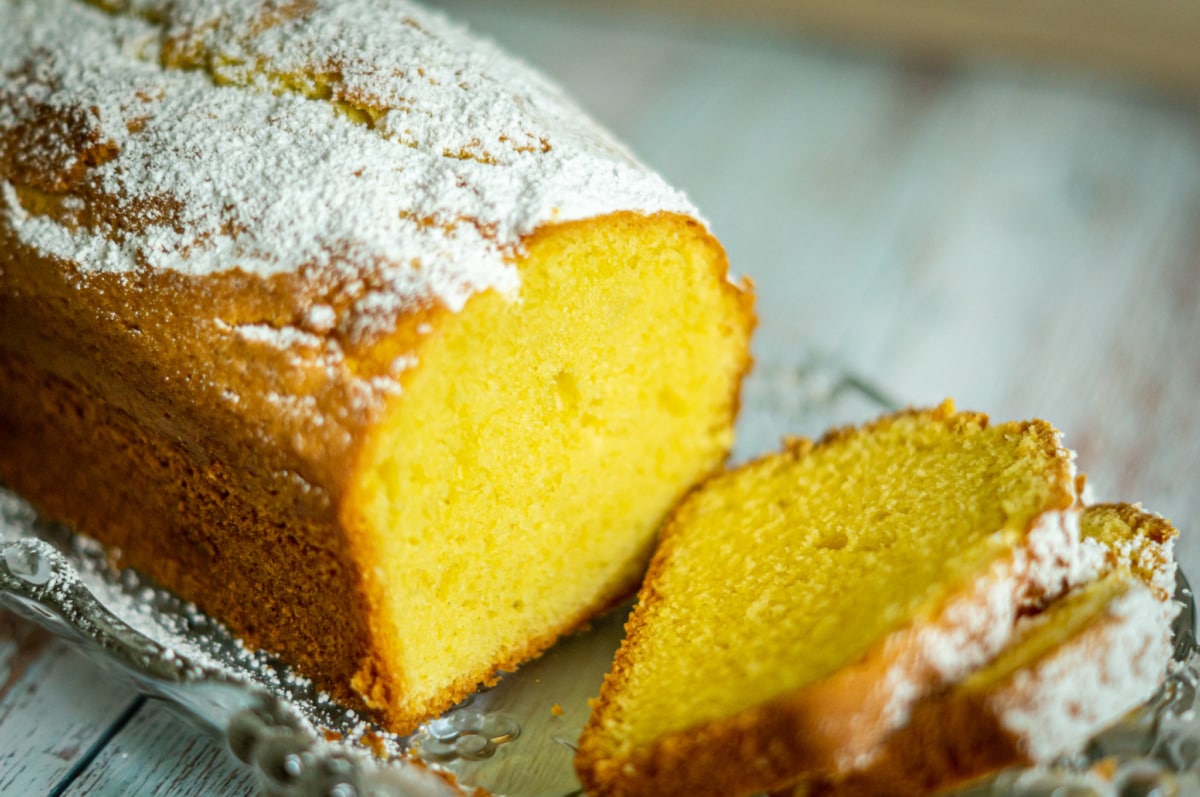
This basic recipe is the foundation for almost every loaf cake. Once you have mastered it, you can bake marble cake, lemon cake, nut cake or berry cake from the same batter without needing a new recipe. We cover below the three key factors that determine how moist the result will be, which mistakes make the batter tough, and how to vary the cake. This cake goes well with a glass of raspberry liqueur, a creamy dessert, or the quick pizza rolls.
Enjoy a slice after baking alongside a creamy frozen dessert as a change of pace. Or try a classic rice pudding and make sure you do not miss a Thermomix® pancake batter.
Classic Pound Cake with the Thermomix®

Ingredients 0 / 8 ✓
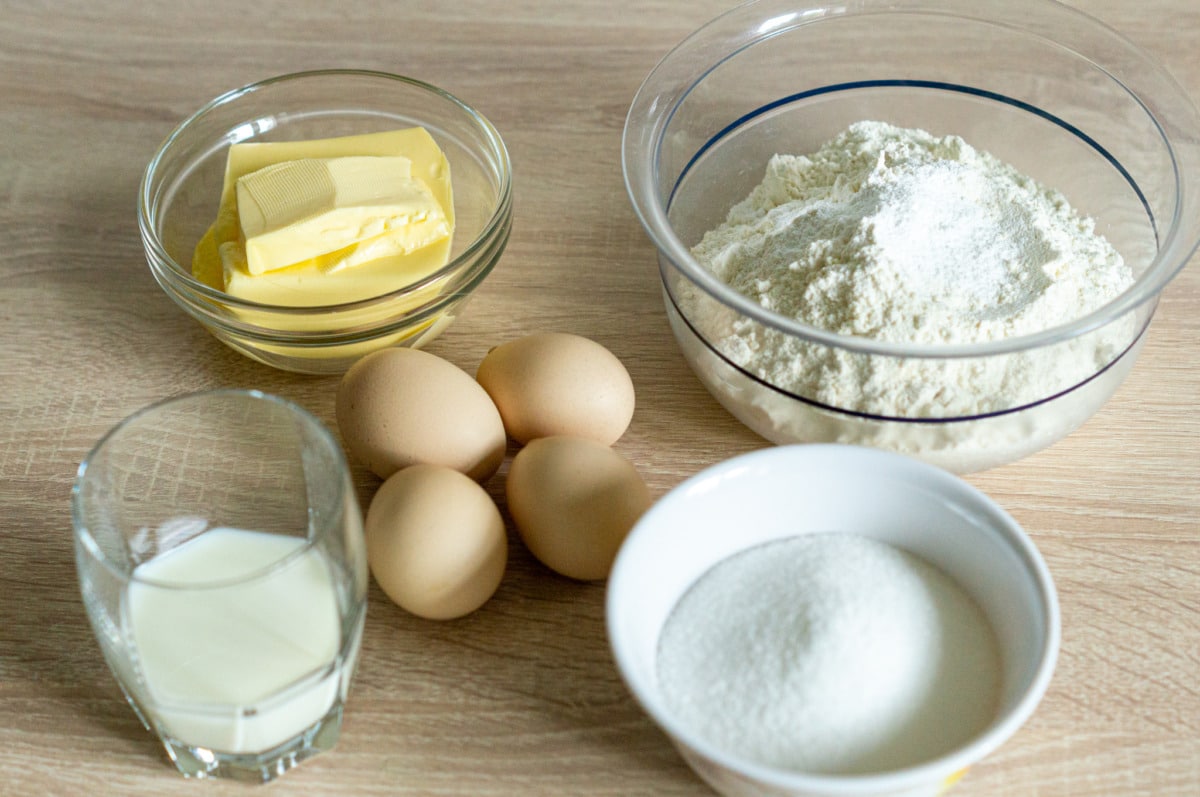
- 200 g butter at room temperature
- 150 g sugar
- 1 sachet vanilla sugar
- 4 eggs
- 60 g milk
- 300 g flour
- 1/2 sachet baking powder
- 1 pinch salt
Instructions 0 / 6
-
1
Cream the batter.
Set aside 10 g of butter for greasing the loaf tin. Add the remaining butter in pieces, sugar and vanilla sugar to the mixing bowl and whip until light and fluffy at 2 minutes / speed 4.
-
2
Preheat the oven and grease the tin.
Preheat the oven to 180 °C top and bottom heat (fan 160 °C) and grease the loaf tin with the reserved butter.
-
3
Add the eggs.
Set the Thermomix® to 1 minute / speed 4 and add the eggs one at a time through the mixing bowl lid opening.
-
4
Mix the batter.
Add the milk, flour, baking powder and salt and mix for 20 seconds / speed 5, using the spatula to assist.
-
5
Bake the cake.
Pour the batter into the prepared loaf tin and bake on the middle shelf for approximately 45 to 50 minutes. Check with a skewer.
-
6
Serve.
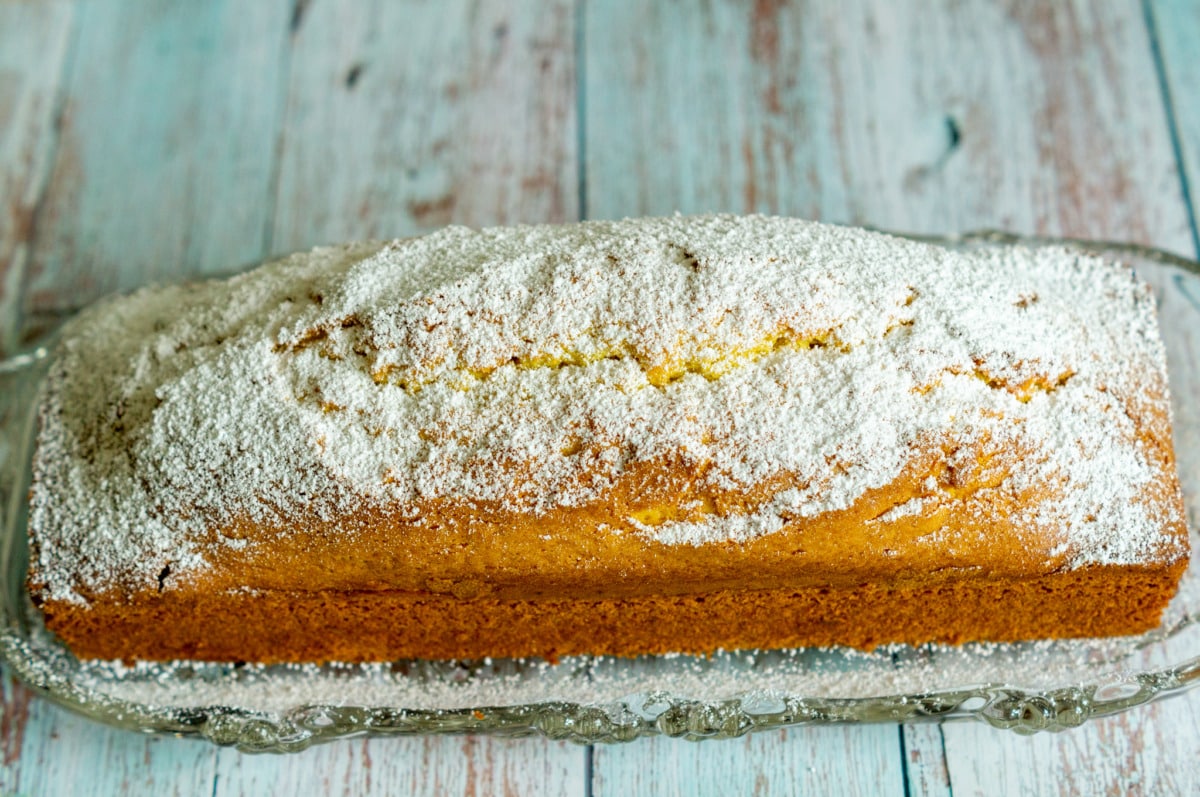
Leave the cake to cool, turn out onto a serving plate and dust with icing sugar or drizzle with icing as you like.
Tip: You can vary the cake however you like by adding, for example, 80 g of chocolate chips or a dash of lemon flavouring in step 3.
Nutrition per serving
Why this pound cake turns out really moist
Three key factors determine the result. First: the 200 g of butter must be at room temperature, otherwise the batter will clump when creaming with the 150 g of sugar. We take it out of the fridge 45 minutes before baking so that a light press leaves a clear dent. Second, we add the 4 eggs one at a time through the lid opening into the running Thermomix®, each one for roughly 15 seconds at speed 4. This allows each egg to bind cleanly into the butter cream and prevents the batter from splitting. Third, half a sachet of baking powder and just 20 seconds at speed 5 are enough for the flour and milk. Mixing for longer develops the gluten and produces a tough, dry cake instead of a fine, open crumb.
Creaming at speed 4 is the foundation of a light crumb
The most important step happens right at the start. When the butter, sugar and vanilla sugar run at speed 4 for 2 minutes, the sugar crystals beat tiny air pockets into the soft butter. These air bubbles are what later gives the cake its volume. The baking powder simply expands them in the oven; the creaming has to create them in the first place. That is why butter temperature is not a small detail but the critical point: cold butter cannot be whipped, it just crumbles and the air pockets never form.
For this step we fit the mixing attachment to the blades, not the butterfly whisk. The butterfly whisk is designed for cream and egg whites and incorporates too much air into the heavy batter, which then collapses in the oven. The mixing attachment combines the ingredients gently and evenly. Anyone with a TM31 who does not have the mixing attachment can use the butterfly whisk at speed 3 for about 4 minutes as a substitute, then fold the flour in afterwards by hand with the spatula.
Three common mistakes that ruin the cake
Curdled batter after adding the eggs
If the butter mixture looks grainy rather than creamy after adding the eggs, the emulsion has split. Usually the eggs were too cold or were added too quickly. Our fix: bring the eggs to room temperature (10 minutes in lukewarm water) and really add them one at a time through the lid opening, each one for about 15 seconds at speed 4. If the batter has already split, add 1 tablespoon of the weighed flour into the mixture and it will come back together.
Tough, rubbery cake
This almost always happens from overmixing after adding the flour. As soon as flour and liquid meet, gluten begins to develop. With bread that is desirable, but with a loaf cake it makes it tough. Our fix: after adding the flour, milk, baking powder and salt, mix for just 20 seconds at speed 5 and help with the spatula. If you can still see dry flour pockets afterwards, fold them in by hand with the spatula rather than running the Thermomix® again.
Dark on the outside, still raw inside
A tall loaf cake needs time to cook through to the centre. Turning up the temperature to speed things along will burn the crust while the inside stays raw. Our fix: bake at 180 °C top and bottom heat on the middle shelf and, after 30 minutes, place a sheet of baking paper loosely on top if the surface is browning too quickly. The skewer test is the deciding factor: if the skewer comes out clean, the cake is done; if batter sticks to it, give it another 5 minutes.
Ten cakes from one batter
The great advantage of this basic recipe is that small additions in step 3 or 4 produce completely different cakes from the same batter. The quantities are our tried-and-tested guidelines for one loaf tin.
- Marble cake: stir 2 heaped tablespoons of cocoa and a splash of milk into one third of the finished batter, spoon alternating layers into the tin and draw a fork through in a spiral pattern.
- Lemon cake: mix in the juice and grated zest of one organic lemon, then after baking drizzle with a glaze made from 150 g of icing sugar and 30 g of lemon juice.
- Chocolate cake: fold 100 g of roughly chopped dark chocolate into the finished batter by hand rather than mixing it in, otherwise it will melt.
- Berry cake: toss 200 g of frozen berries lightly in flour before folding in so they do not sink to the bottom.
- Nut cake: add 100 g of ground hazelnuts together with the flour and increase the milk to 80 g, as nuts absorb moisture.
- Poppy seed cake: mix 50 g of ground poppy seeds into the batter, which tastes especially good combined with the lemon zest from the lemon variation.
If you like the chocolate chip variation from the recipe tip, add 80 g of chocolate chips in step 3. Good couverture chocolate is worth it for the chocolate variation: we use high-quality couverture because it melts more evenly than ordinary chocolate bars and does not leave greasy streaks.
Which tin and which shelf to use
We classically bake this recipe in a 30 x 12 cm loaf tin. If you use a different tin, adjust the baking time: in a Bundt tin the batter spreads thinner and needs only about 55 minutes, in a 24 cm round springform tin around 50 minutes will do. Grease the tin with the reserved butter beforehand and dust lightly with flour so the cake releases cleanly. Always bake on the middle shelf, where the heat distributes most evenly.
Compared with many other basic recipes, we deliberately use 150 g of sugar rather than 200 g and add a sachet of vanilla sugar. This makes the cake less sweet and gives it a delicate vanilla note that suits every variation. If you prefer it sweeter, increase the sugar to 200 g and the result will be closer to a classic sand cake.
How to keep the cake fresh for several days
Stored in an airtight container at room temperature, the pound cake keeps for 4 to 5 days, and in the fridge for about a week. Place a small piece of apple in the container with the cake; it releases moisture and keeps the crumb moist. Frozen, the cake will keep for 3 months, ideally sliced individually so you only defrost what you need. To defrost, leave at room temperature for 1 to 2 hours or warm individual slices briefly in the microwave.
Serve with: vanilla ice cream and icing sugar.