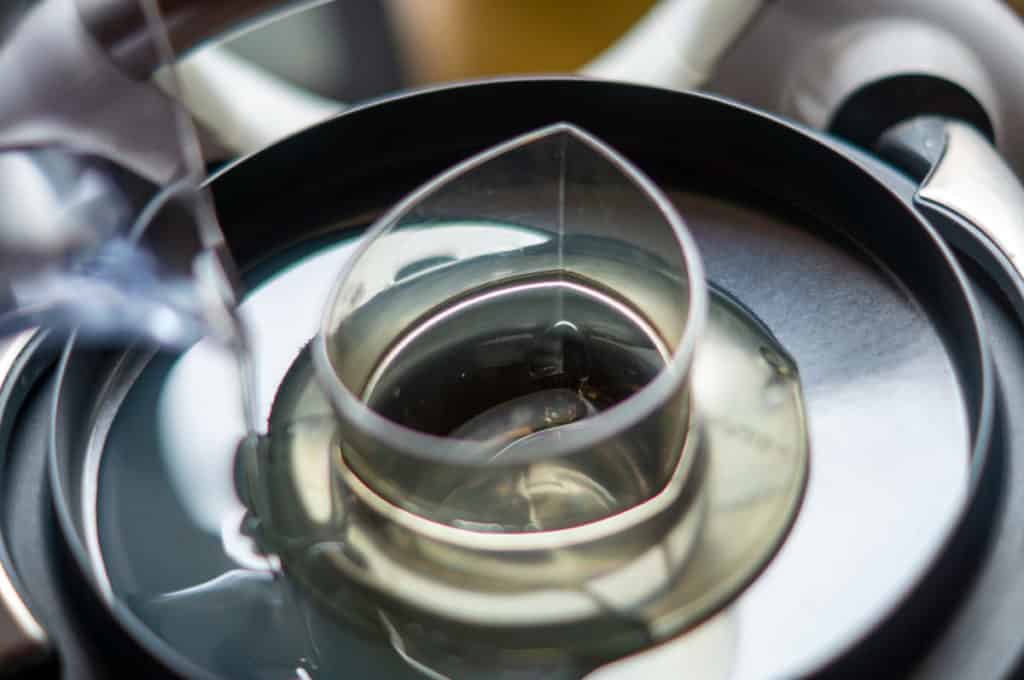
The measuring cup is not just a lid in this recipe, it is a precision tool. Pour the oil straight into the mixing bowl and the emulsion breaks instantly. Let it run over the measuring cup and you force it into a controlled drip stream. That is exactly why mayonnaise with the Thermomix® is done in 5 minutes, without stirring, without any effort, and sets reliably every time.
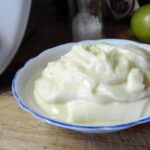
Mayonnaise with the Thermomix®
Ingredients 0 / 5 ✓
- 250 g sunflower oil
- 1 egg
- 1/2 tsp salt
- 10 g lemon juice or white vinegar
- 1 pinch white pepper
Instructions 0 / 2
-
1
Combine the ingredients.
Weigh out the oil and set it aside. Place the egg, salt, lemon juice or vinegar, and pepper into the mixing bowl and combine for 10 sec / speed 3.
-
2
Drizzle in the oil.
Insert the measuring cup into the mixing bowl lid. Set the Thermomix® to speed 3.5 and slowly pour the oil onto the mixing bowl lid. The oil drips through the gaps in the measuring cup. Once all the oil has dripped in, the mayonnaise is ready.
Tip: Add a little garlic and you have garlic mayonnaise.
Video
Nutrition per serving
Why you cannot just pour the oil straight in
Mayonnaise is an oil-in-water emulsion. The lecithin in the egg holds the tiny oil droplets suspended in the water. When that works, the mixture turns creamy. Add too much oil at once and the emulsion breaks, leaving the mayo runny or curdled.
The measuring cup trick solves this mechanically: the inserted measuring cup lets the oil pass through only the small gaps in the lid, so it drips in automatically. You do not need to measure anything or control the flow. Set it to speed 3.5, pour the oil over the measuring cup, and you are done.
Room temperature matters more than you think
A trap almost everyone falls into the first time: using the egg straight from the fridge. Cold ingredients make the emulsion much harder to achieve, the egg binds less well, and the mayo stays runny no matter how slowly the oil comes in. We place the egg and lemon juice on the worktop at least 30 minutes before we start. That is all it takes.
The same applies to the oil. Sunflower oil is the first choice because its neutral flavour gives the egg and the acid space to shine. Rapeseed oil works just as well. Olive oil is possible, but it brings a strong flavour of its own that not everyone enjoys.
What to do if the mayo does not set
Runny mayo can be rescued. We add a fresh egg yolk to the clean mixing bowl at speed 3.5 and slowly pour the runny mixture in through the lid opening. In most cases it comes back together.
Curdled mayo works in a similar way: remove three quarters of the mixture, add a few drops of lemon juice or vinegar to the mixing bowl, run the Thermomix® at speed 3.5, and slowly add the curdled mixture back in. This works surprisingly often.

Raw egg: a clear note
Mayonnaise contains raw egg. We always use very fresh eggs and store the finished mayo in the fridge. Use it within one day if you want to be on the safe side, or at the very latest within one week. For guests, it is better to make it fresh.
If you want to avoid raw egg altogether, you can use pasteurised eggs. The result is identical.
The garlic variation and where it leads
Add one or two garlic cloves to the mixing bowl in the first step and the mayo becomes a simple garlic mayonnaise. If you want to finely chop the garlic before the oil goes in, you basically already have a garlic dip base on your hands. If you want to push it towards a classic aioli: aioli uses more garlic, no mustard, and traditionally more lemon. Our garlic pull-apart bread is the perfect companion.
A lighter variation: stir in 100 g of natural yoghurt at the end. This noticeably reduces the fat content and gives the mayo a slightly fresher flavour.
If you are serving the mayo as a dip, for a party buffet or an evening in front of the TV with crisps, small dipping bowls* work well for individual portions. That way the rest stays fresh in the fridge.
Cold sauces, spreads, or a warm bechamel? Our sauces and dips collection can help you choose.
Mustard is the second emulsifier almost everyone forgets
Egg yolk lecithin gets most of the attention, but a good teaspoon of medium-strength mustard makes the difference between a wobbly and a stable mayo. Mustard seeds contain mucilage that binds the oil further. We use Dijon mustard because it stays clean in flavour. The ratio is worth sticking to: one egg carries about 250 g of oil, no more. Push that limit and you get the firmest consistency. Use less oil and you get something creamier. Salt, lemon juice, and pepper go into the mixing bowl with the egg yolk from the start, not at the end, otherwise nothing distributes evenly.
More dips and sauces with the Thermomix® are in our sauces collection.
Goes well with: burgers and potato salad.
Also worth a try: salad dressing Sylt style with the Thermomix®.