15 grams of fresh yeast to 600 grams of flour sounds like a lot, and it is. We use that amount deliberately, because our dough has only one hour to rise. Anyone who wants to bake the bread with less yeast will need a longer proving time. If you want it on the table tonight, our standard recipe is the way to go.
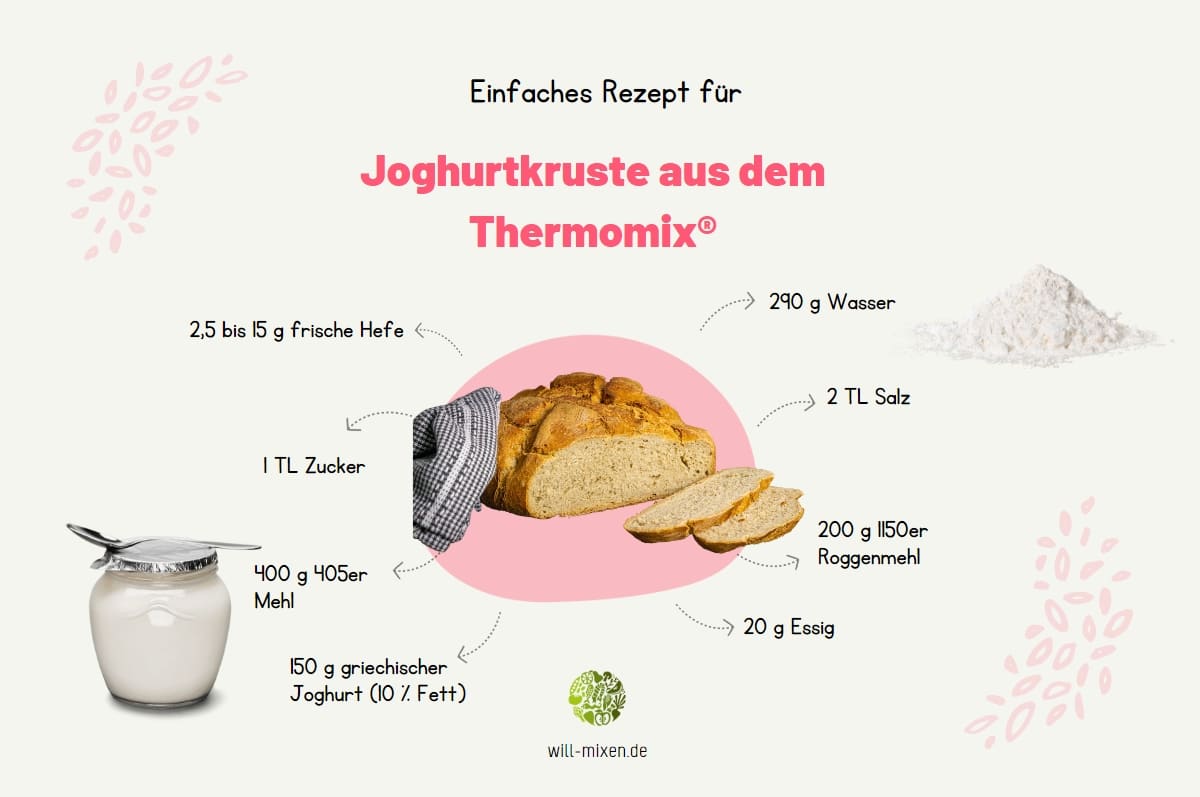
At our place, yoghurt crust bread is on the table several times a week. Not because it is complicated, but because it works every time: 290 g warm water, 150 g Greek yoghurt with 10% fat, 400 g plain flour type 405, 200 g rye flour type 1150 and 20 g vinegar. The vinegar is not a typo. It lowers the pH of the dough, helps the rye portion rise properly and, together with the yoghurt, gives the bread its typical mild tang beneath the crust.
The Ultimate Yoghurt Crust Bread, Thermomix®
Ingredients 0 / 10 ✓
- 290 g water
- 15 g yeast fresh
- 2 tsp salt
- 1 tsp sugar
- 2 tsp bread spice mix optional
- 400 g plain flour, type 405
- 200 g rye flour, type 1150
- 150 g Greek yoghurt (10% fat)
- 20 g vinegar
- a little oil for greasing
Instructions 0 / 4
-
1
Warm the yeast.
Add water, yeast, salt and sugar to the mixing bowl and warm for 3 min / 37°C / speed 1.
-
2
Mix the dough.
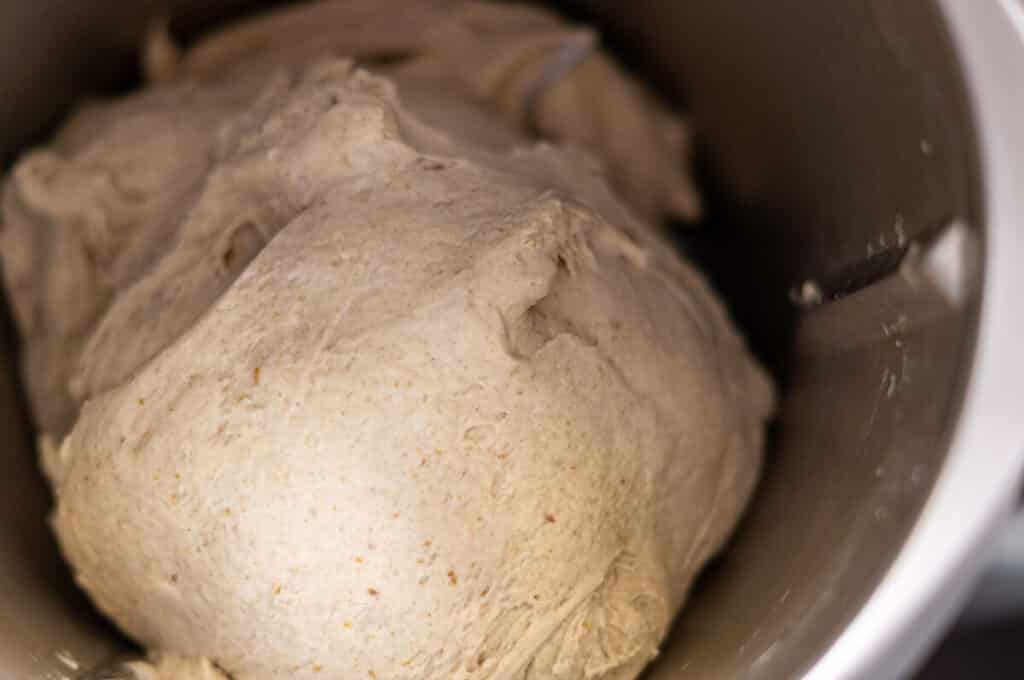
Add bread spice mix, flour, yoghurt and vinegar and knead for 5 min / kneading mode. Transfer the dough to a floured bowl and leave to rise, covered, in a warm place for 1 hour.
-
3
Shape the loaf.
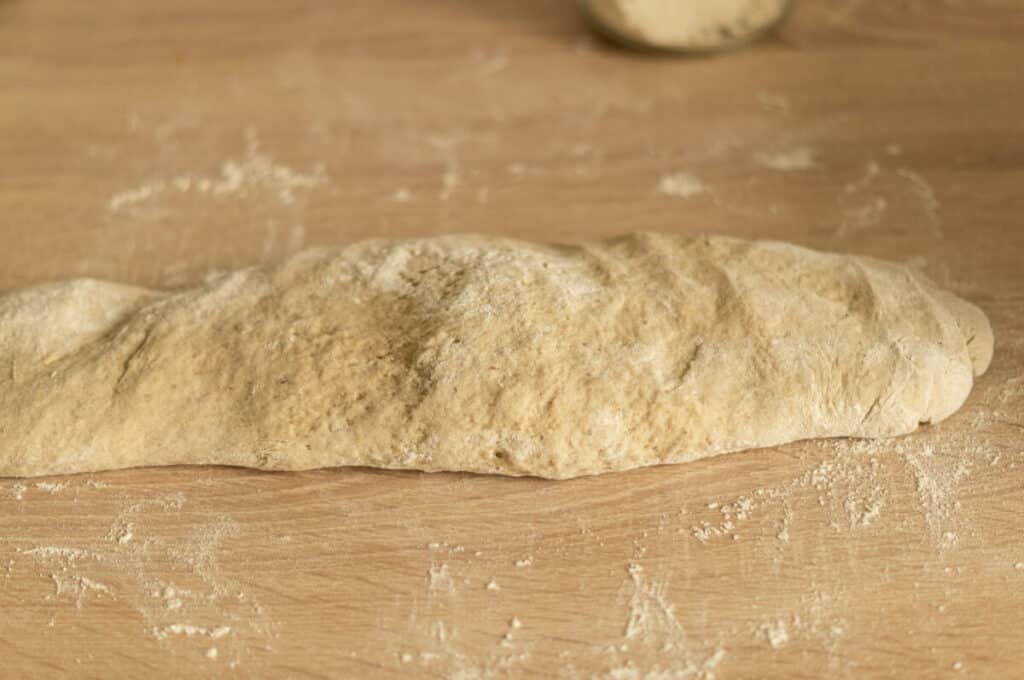
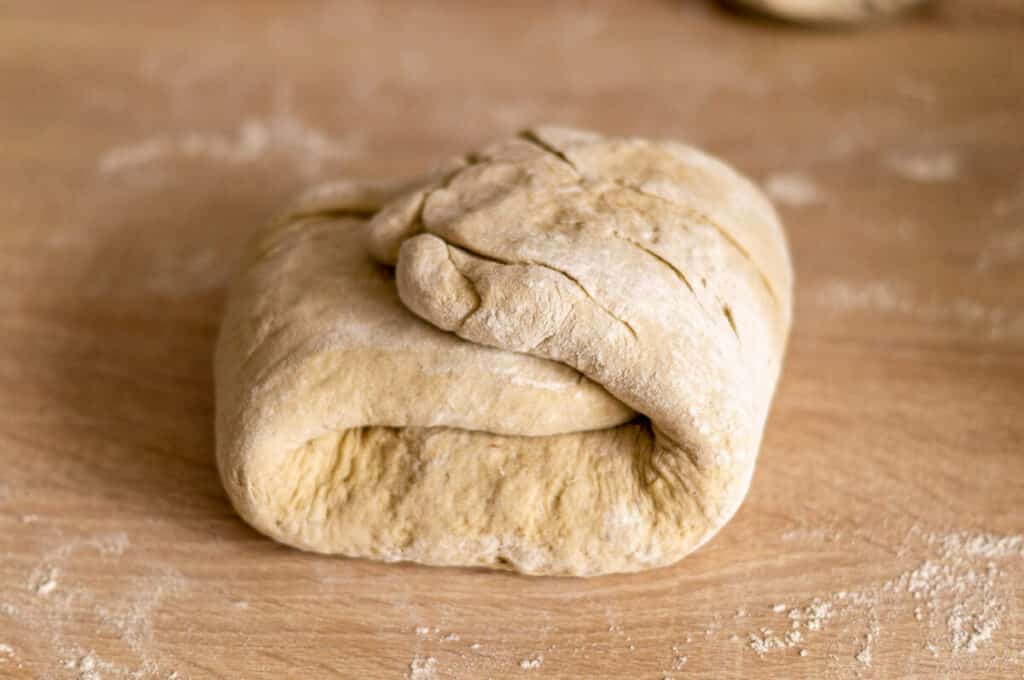
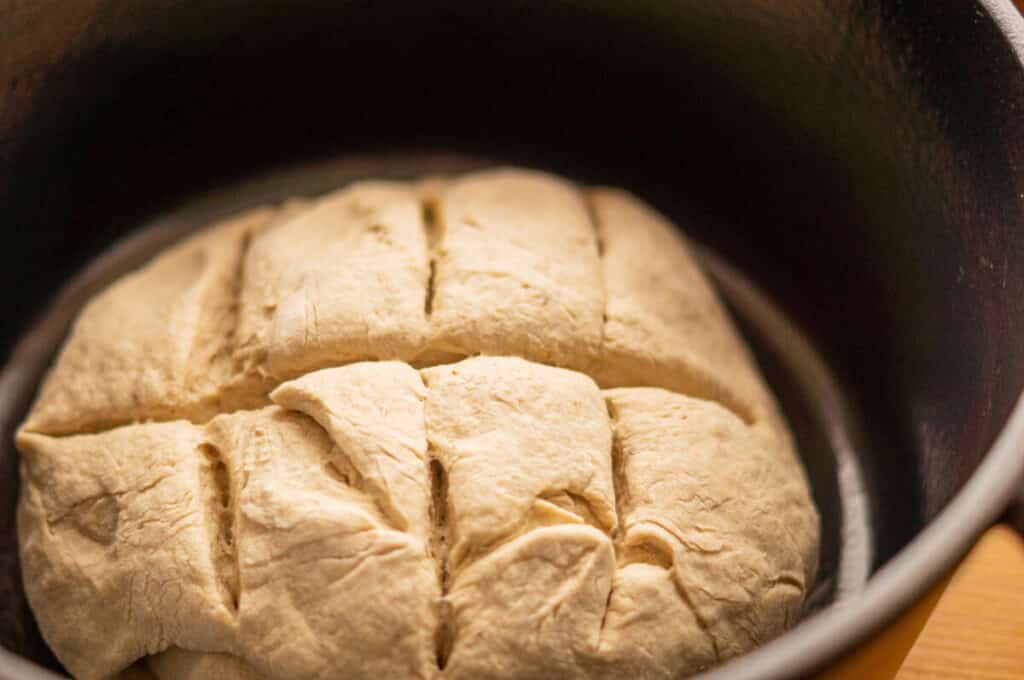
Turn the dough out onto a floured work surface and stretch and fold it about 5 times. Shape into a loaf, place in a roasting dish greased with oil and score the surface.
-
4
Bake.
Close the lid of the roasting dish and place it on the lowest shelf in the cold oven. Set the oven to 240°C top and bottom heat and bake the bread for 55 minutes. Remove from the oven and leave to cool on a wire rack.
Tip: The bread tastes great with or without bread spice mix. You can also use whole caraway seeds. You can also bake the yoghurt crust bread in a silicone bread baker.
Video
Nutrition per serving
Why 15 g of yeast and 1 hour of proving time work together
The standard approach with yeast bread is a small amount of yeast and a long time. That gives more flavour, but also more planning. With our yoghurt crust bread we have flipped that ratio. 15 g fresh yeast to 600 g flour is the quantity that reliably doubles the dough within 60 minutes without it overproving. So the yeast can get straight to work, we dissolve it in the mixing bowl with water, salt and a pinch of sugar at 3 min / 37°C / speed 1. The sugar is starter food; the salt does not slow the yeast down too early. Only then do the flour, yoghurt, vinegar and, if you like, bread spice mix go in, and the Thermomix® kneads for 5 minutes on kneading mode.
Anyone who wants less yeast and more time can do the following: use 2.5 g fresh yeast and leave the dough to prove for five hours in a warm place instead of one. If you want to prepare a pre-dough, mix 0.5 g yeast with 100 g plain flour type 405, 50 g water, 50 g yoghurt and 2 g salt the day before, leave it to mature in the fridge for two days, then add an extra 50 g sourdough starter to the dough before the main knead. Deduct the pre-dough quantities from the main amounts so the ratio stays correct. In terms of flavour, that is the more aromatic version. In terms of ease, the version with 15 g fresh yeast wins.
The role of yoghurt: why 10% fat and not less
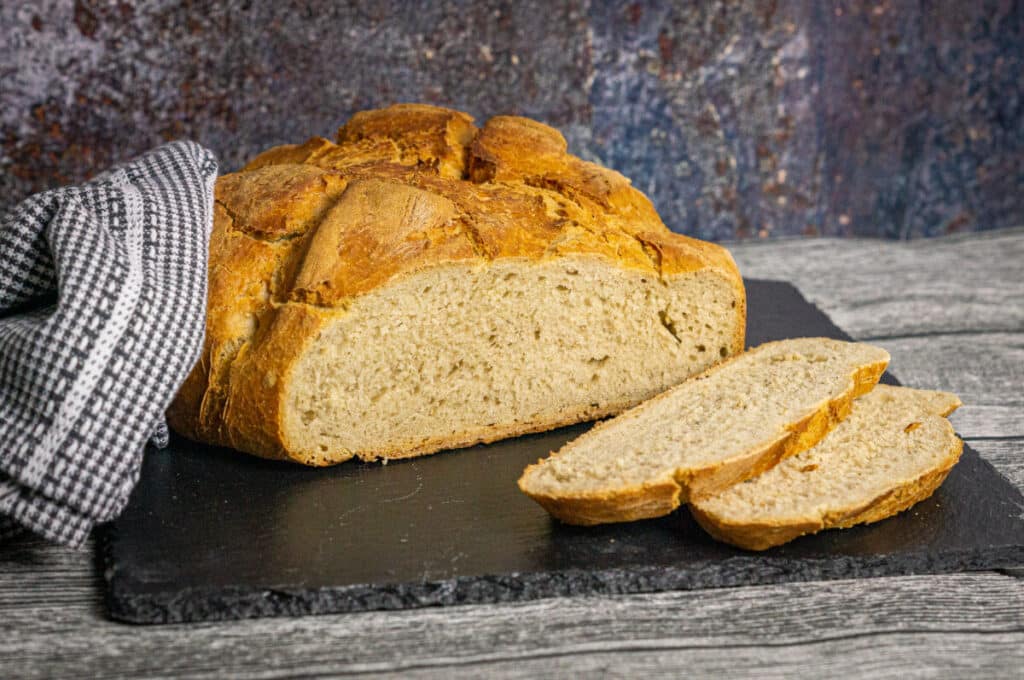
Yoghurt in bread dough does two things at once. The fat coats the flour proteins and keeps the crumb soft, fine-pored and fresh for longer. The lactic acid lowers the pH, which helps the rye flour in particular. Rye needs a slightly acidic environment, otherwise it does not rise properly and the crumb turns stodgy. That is exactly what the yoghurt is there for, and exactly why there are also 20 g of vinegar in the recipe. If you use low-fat yoghurt at 1.5%, you will get a drier crumb and a less glossy crust. We stick with Greek yoghurt at 10% fat.
Stretching and folding the dough properly
After an hour of proving, the dough has risen noticeably but still feels slightly sticky. That is intentional. We turn it out onto a floured work surface and pull it flat with our hands. Then we fold it five times from the outside towards the centre. This step is known in baking as stretch and fold, and it does two things: it realigns the gluten network so the loaf holds its shape, and it presses out the largest gas bubbles from the dough. Anyone who skips this step will end up with a flatter loaf and uneven large holes beneath the crust.
Cold oven start at 240°C: why this makes the crust
We place the shaped loaf in the oiled roasting dish, close the lid and slide it onto the lowest shelf of the cold oven. Only then do we switch to 240°C top and bottom heat. That is deliberate. While the oven heats up, the dough has another ten to twelve minutes of final proving in the warm dish before the full heat hits it. The closed lid creates its own small steam chamber. The moisture from the dough stays around the loaf, the starch on the surface gelatinises and after 55 minutes you get exactly the rustic, glossy crust we are after. Without the lid we would have to work with a dish of water in the oven or a spray bottle and still not achieve the same result.
If you do not have a cast-iron roasting dish, a Pampered Chef Stoneware Baker works just as well. A Lekue bread baker also does the job. Without a lid it is still possible: place the loaf in a heavy baking dish and cover with aluminium foil for the first 35 minutes, then continue baking uncovered. The result is a little paler on top, but tastes just as good.
What can go wrong the first time
Dough too firm. If the dough sits hard against the base of the mixing bowl after kneading and does not form into a ball, it needs more liquid. Common cause: yoghurt straight from the fridge rather than at room temperature, or flour with a higher type number that absorbs more water. Fix: add 20 to 30 g warm water and knead for another minute on kneading mode.
Bread splits at the sides instead of the top. This happens when the loaf has not been scored on top, or the score is too shallow. The knife should go about one centimetre deep. Otherwise the steam finds its way out where the dough is thinnest, usually at the bottom edge.
Stodgy crumb. Almost always caused by too short a baking time or cutting into the bread too soon. 55 minutes is the minimum; with cooler ovens, allow 60 to 65 minutes. After baking, the loaf must steam off on a wire rack for at least 30 minutes, otherwise it stays moist inside.
Overnight prove in the fridge
If you want to knead the dough in the morning and bake in the evening, put it straight into the fridge after kneading. It needs about ten to twelve hours there. Leave it to come to room temperature for 30 minutes before shaping, then continue as normal following the recipe. The bread will be easier to digest this way, because the yeast and the lactic acid bacteria in the yoghurt have more time to pre-digest some of the flour components.
Keeping and slicing
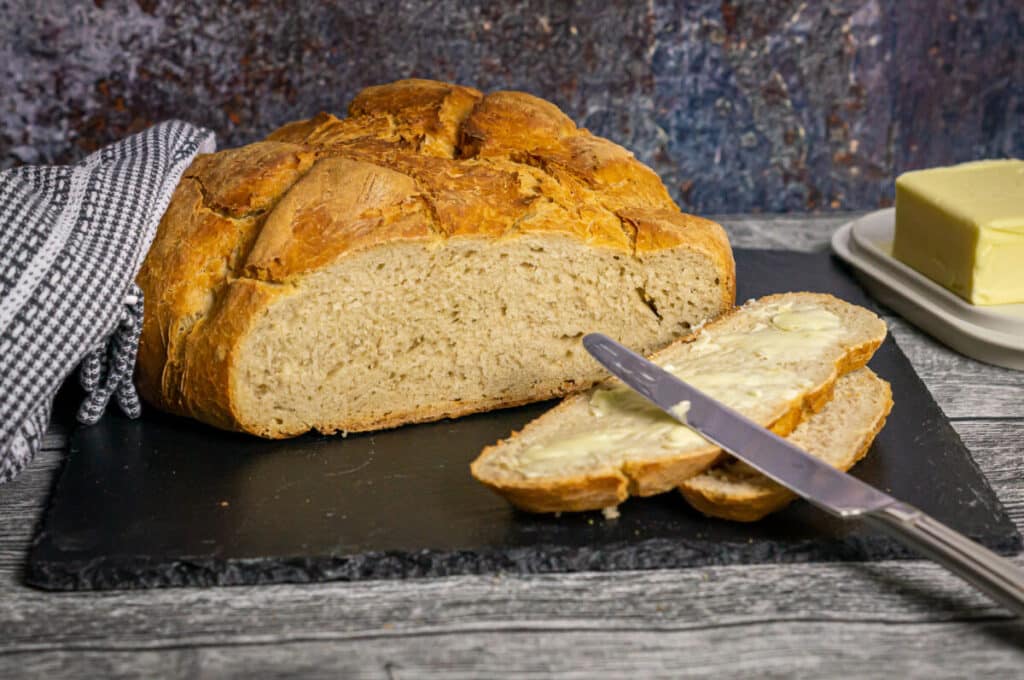
Once fully cooled, yoghurt crust bread keeps for three days in a clay bread crock or a wooden bread box. Plastic bags are not a good idea as they trap moisture and soften the crust. Whatever is left after three days can be sliced and put in the freezer. Thawed at room temperature and popped in the oven at 180°C for five minutes, it tastes almost freshly baked. With good butter and a bowl of Thermomix® pumpkin soup, it is our Sunday evening dinner.
More bread from the mixing bowl can be found in our collection of bread recipes:
- Nut and Wholegrain Bread
- High-Fibre Seeded Bread
- Quick Wholegrain Bread
- Potato Bread
- Naan Bread
- Olive and Walnut Bread
- Low-Carb Linseed Bread
- Pitta Bread
- Farmhouse Bread