Currently in season
Plums and Damsons in the Thermomix®
We have matched 6 English Thermomix® recipes with plums and damsons. Here is the season window, buying advice and the best MixMyDay recipe links.
Seasonal calendar by month
When are plums and damsons in season?
Outdoor crop from August to mid October across Europe, with the main season in September..
Outdoor crop: fresh European harvest. Protected crop: greenhouse or covered cultivation. Stored: European harvest kept in storage.
Buying and storing plums and damsons
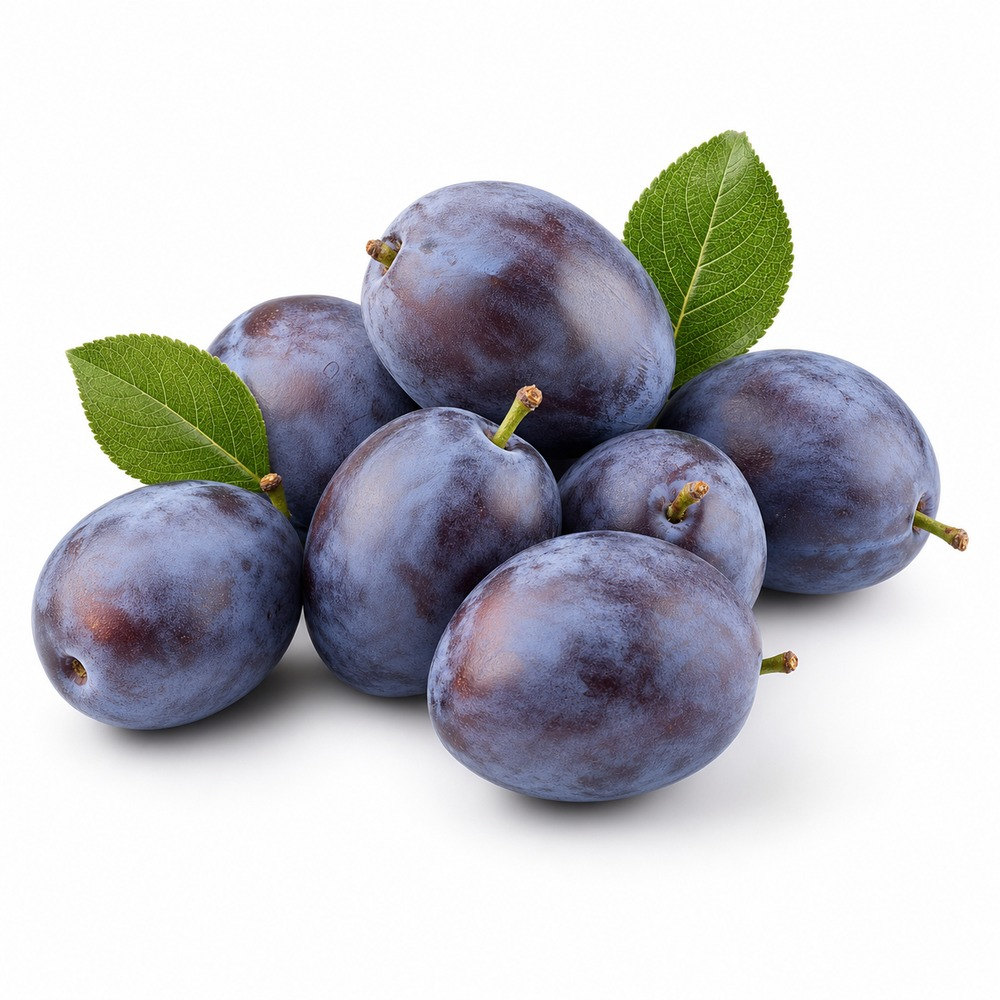
You will find two types in the shops: the round plum, with a plump shape and usually yellow flesh, and the oval damson, with firm, golden yellow flesh and a stone that comes away easily. Well known varieties include the common damson, the Buhler damson and Hanita. One thing matters most when buying: plums do not ripen further once they are picked. Only buy fully ripe fruit that gives a little under gentle pressure and still carries an intact, slightly bluish bloom. Bruises, mould or leaking juice are reasons to leave them behind.
Ripe plums keep in the fridge for three to five days if you wrap them in a slightly damp cloth. To freeze them, wash and dry the fruit, halve it and remove the stones, then pre freeze them flat on a tray before packing them into bags. Stored like this they keep for up to twelve months and go straight into compote or plum butter.
Preparing plums and damsons in the Thermomix®
For plum butter, put the halved, stoned fruit straight into the Thermomix® without adding any water and reduce it slowly at 100 °C on speed 1. Depending on how much water the fruit holds, the butter needs 45 to 90 minutes. Towards the end we leave the lid slightly ajar so the steam can escape and the butter can thicken. Cover the hole in the measuring cup with the simmering basket so nothing splashes out. A gel test tells you when it is ready: a teaspoonful on a cold plate should slide slowly off the back of the spoon.
For plum jam and plum liqueur we work more quickly: bring the fruit to the boil briefly with preserving sugar (100 °C, speed 2, 5 to 8 minutes), and for the liqueur warm the stoned fruit gently with sugar and alcohol on speed 1 at 60 °C, then strain it.
The most common mistakes with plums and damsons
- Buying fruit picked too early. Plums do not ripen once they are off the tree. Hard, greenish fruit stays mealy and tasteless. Always look for the colour that is typical of the variety and a slight give under pressure.
- Taking plum butter off the heat too soon. If you take the butter off while it is still too thin, you will still not get a firm result once it cools, because it thickens a little more as it goes cold. Do the gel test: the butter has to slide slowly off the back of a cold spoon.
- Forgetting to stone them before freezing. Freezing plums with the stones in makes them needlessly awkward to work with later. Always halve them, remove the stone and only then freeze them.
All 6 Thermomix® recipes with plums and damsons
Plums and Damsons as the main ingredient (5 recipes)
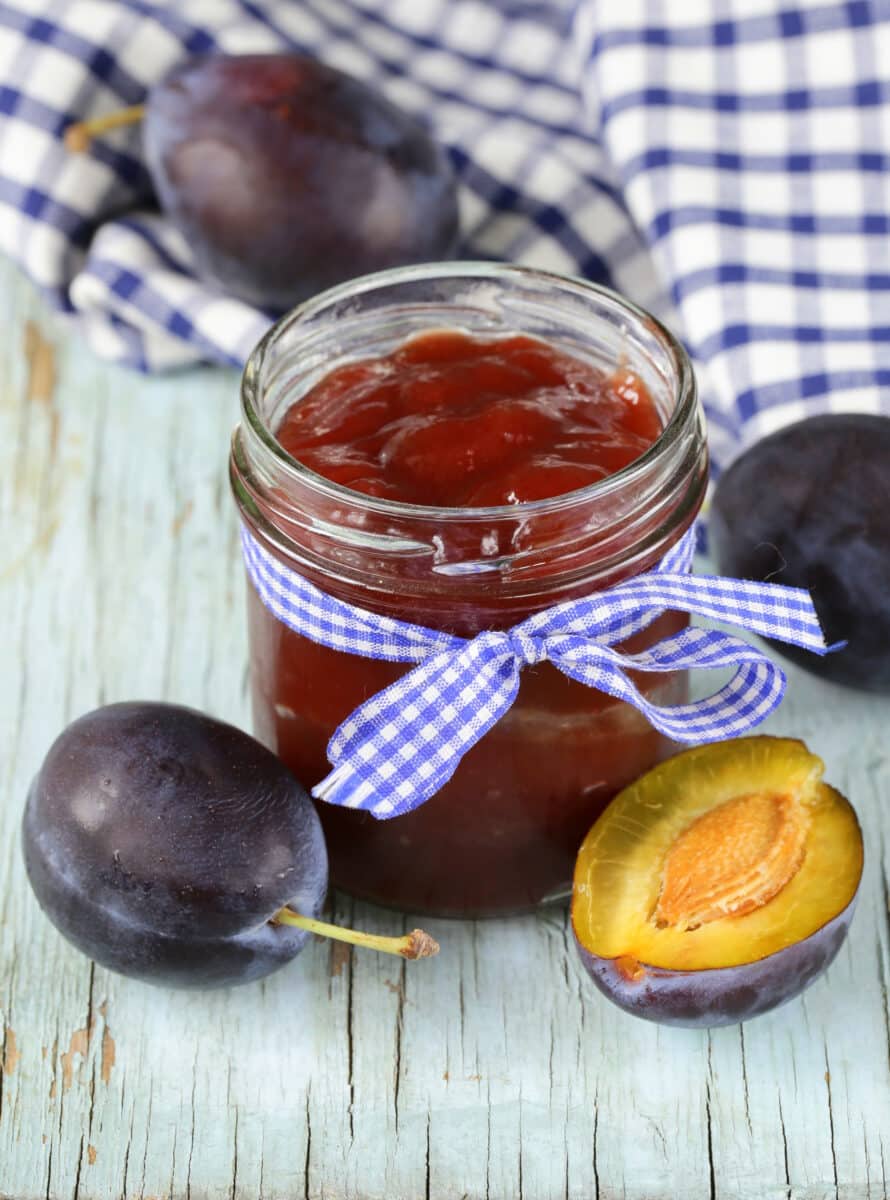
 Plum Butter with the Thermomix®
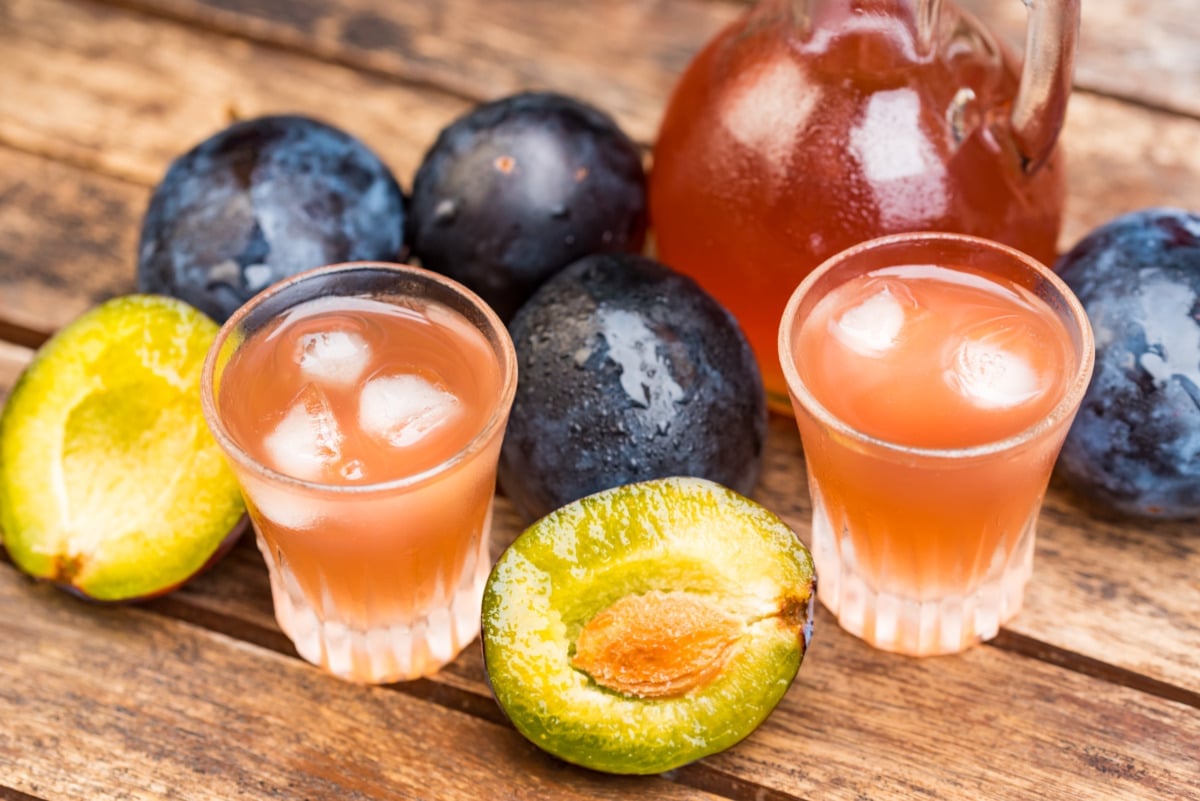
- Plum Liqueur with the Thermomix®
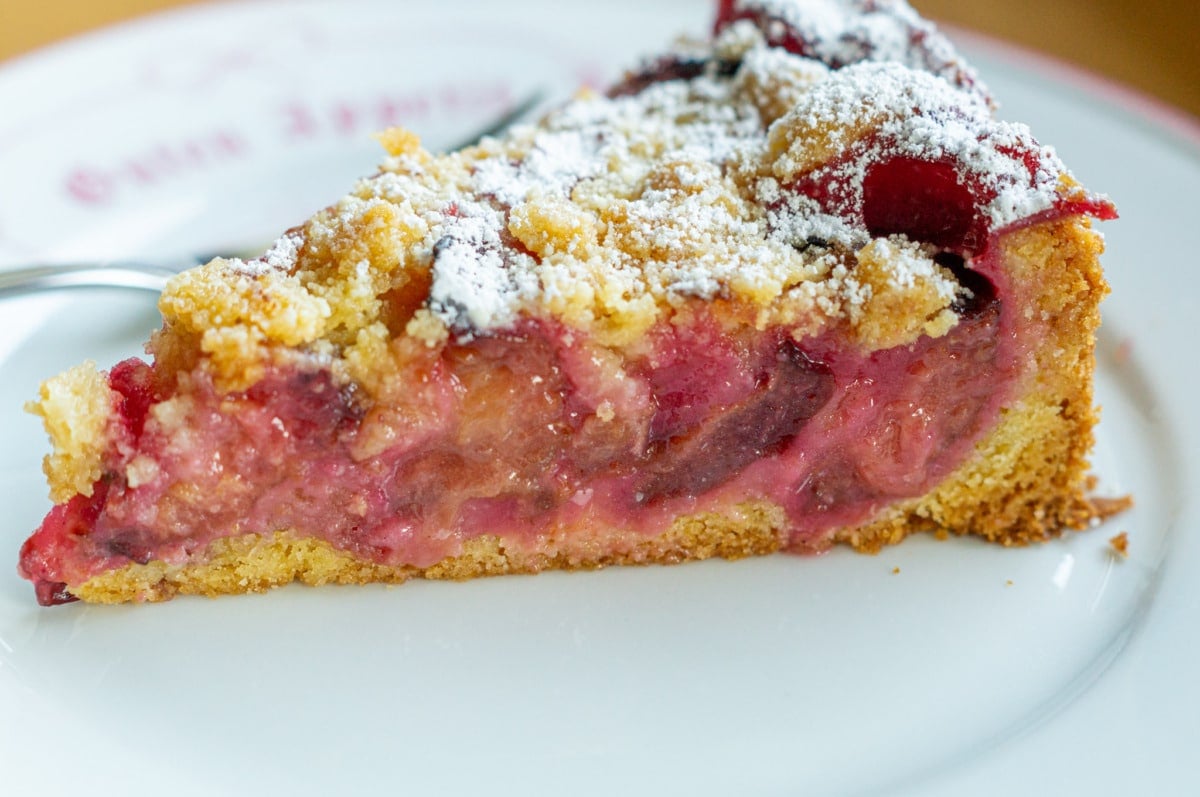
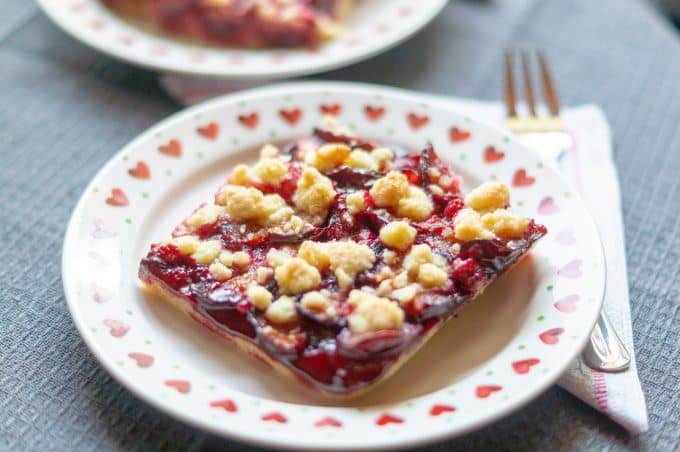
- Plum Cake with Crumble Topping, Thermomix®
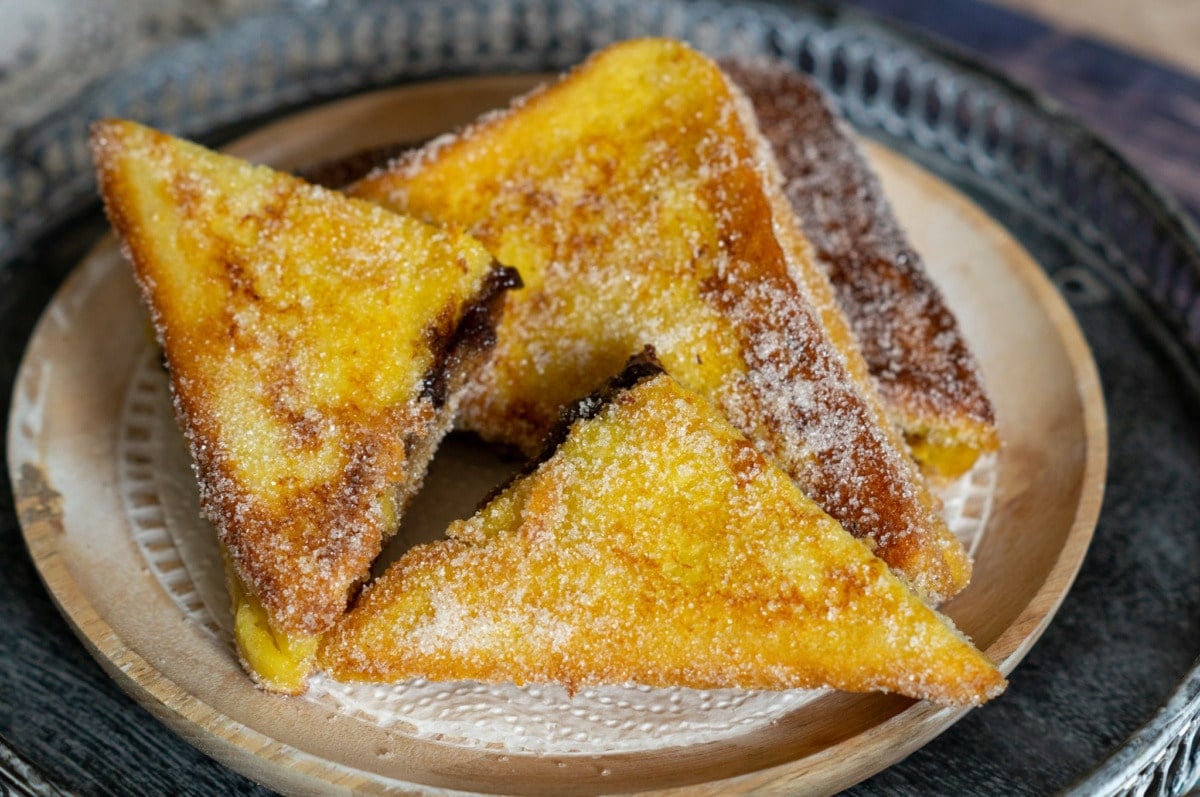
- Plum Jam French Toast with the Thermomix®
- Quick Plum Traybake with the Thermomix®
Plums and Damsons in more recipes (1 recipes)

 Peppers
 Tomatoes
 Pumpkin and Squash
 Carrots
 Potatoes
 Apples
Good to know
What is the difference between a plum and a damson?
Plums are rounder and plumper with softer flesh, while damsons are longer and oval with firm, golden yellow flesh and a stone that comes away more easily. Damsons are better for cakes and fruit butter because they hold less water.
Can you freeze plums?
Yes. Halve the plums, remove the stone, pre freeze them flat and then pack them into bags. Stored like this they keep for up to twelve months and are ready any time for compote, fruit butter or a cake topping.
Why does plum butter sometimes turn out too runny?
The butter was reduced for too short a time or taken off the heat too early. Plums hold a lot of water that has to be cooked off completely. Do the gel test before you fill the jars: a spoonful of butter on a cold plate should stay thick.
When are plums and damsons in season in Europe?
The main season falls in September. The first early varieties arrive from late July, and the late ones run until mid October. For the fullest flavour, buy from the second half of August through to the end of September.
How many Thermomix® recipes with plums and damsons are there?
There are currently 6 recipes in our collection. You will find them above, sorted by main ingredient and supporting ingredient.