Abacate is the historical forerunner of advocaat, long before European settlers came up with the idea of mixing egg yolk with rum. We make the Brazilian version with avocado instead of egg, because the fruit provides the same creamy texture without any need to heat egg yolks. The result is a liqueur that is ready in 15 minutes and keeps in the fridge for at least 2 weeks.
The name Abacate comes from Tupi, the language of the indigenous peoples of the Amazon. The first written record dates from the 17th century, when Portuguese settlers mixed the fruit with sugarcane rum and spices. Advocaat as we know it today did not appear until 200 years later in Europe. The avocado recipe is therefore the original, not the copy.
Avocado Liqueur (Abacate) with the Thermomix®
Ingredients 0 / 5 ✓
- 100 g sugar
- 125 g soya cream
- 125 g Pitu Cachaca sugarcane rum
- 1 pinch saffron
- 1 avocado (approx. 150 g flesh) (not too ripe)
Instructions 0 / 4
-
1
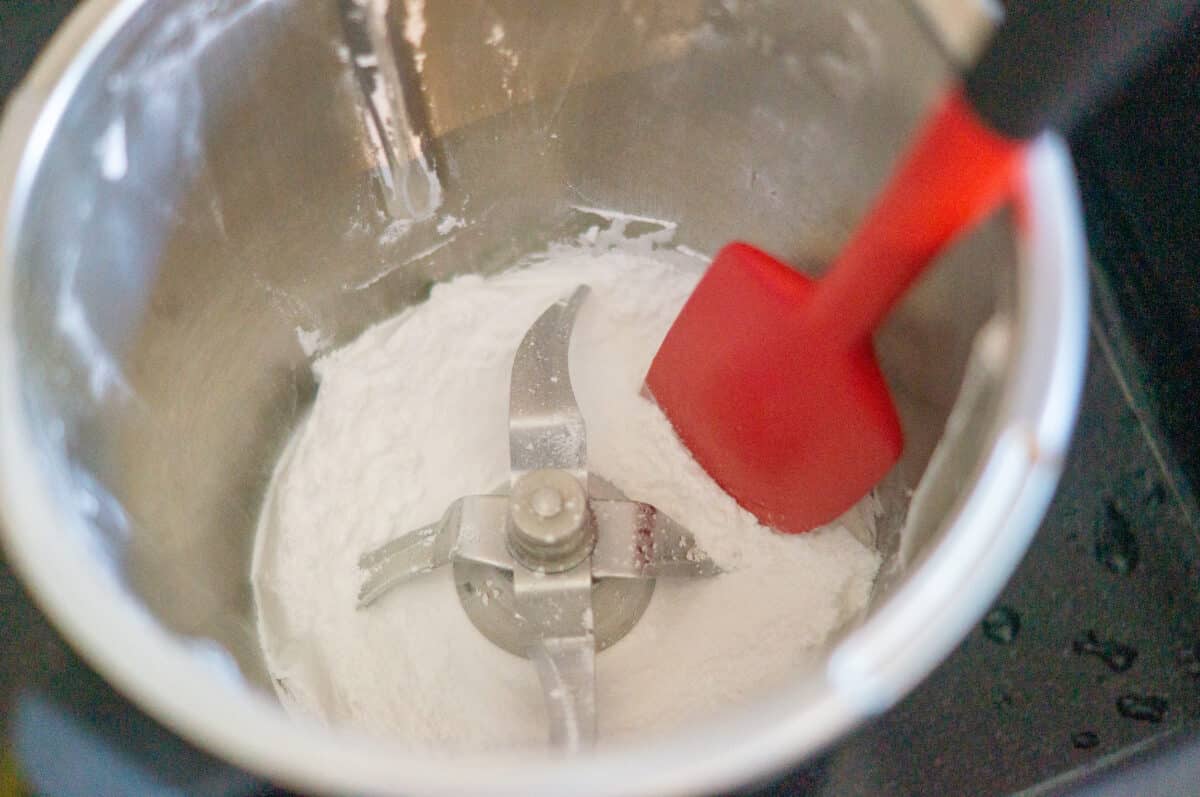
Pulverise the sugar.
Add the sugar to the mixing bowl and pulverise for 10 sec / speed 10.
-
2
Add the remaining ingredients.
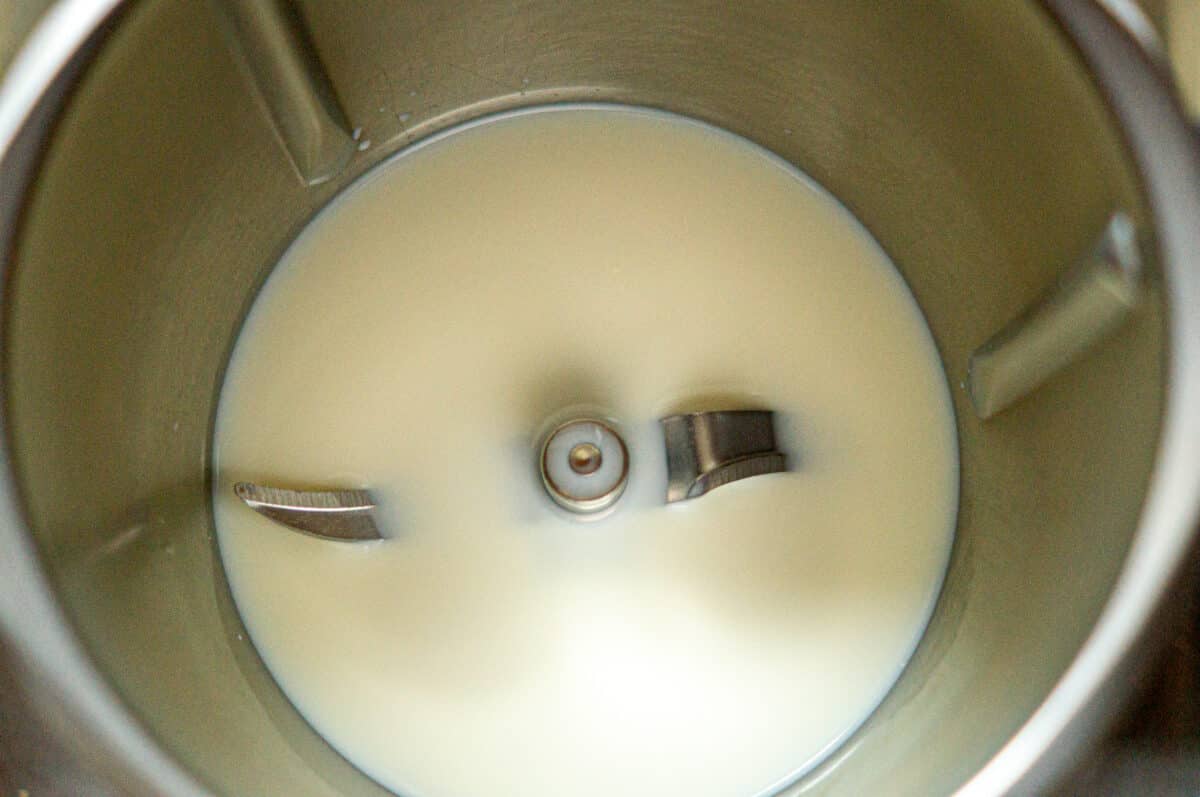
Add the soya cream, rum and saffron and combine for 10 sec / speed 7 .
-
3
Blend the avocado.
Halve the avocado, remove the stone, add the flesh to the mixing bowl and blend for 30 sec / speed 8.
-
4
Bottle.
Pour into a sterilised bottle, seal tightly and serve cold.
Tip: Use only the light-green flesh, otherwise the liqueur turns very dark.
Nutrition per serving
Why avocado works instead of egg yolk
Avocado naturally contains 15 to 20 per cent fat, depending on the variety. This fat is polyunsaturated and forms a stable emulsion when blended with sugar and alcohol. Egg yolk does exactly the same thing, but requires heat so that the lecithin can create the bond. With avocado the emulsion happens cold, directly in the mixing bowl. This saves the cooking step and makes the liqueur more shelf-stable because there are no raw eggs involved.
The ripeness matters: the avocado must not be too ripe, otherwise the liqueur turns bitter. We press the fruit gently with our thumb. If it gives slightly but still has some resistance, it is just right. Avocados that are too firm cannot be blended to a smooth cream; those that are too soft have a slightly rancid flavour that the rum will not mask.
Sugarcane rum is essential, not optional
Pitu Cachaca is distilled sugarcane juice, not a molasses rum. The difference lies in the base material: Cachaca is distilled from fresh sugarcane juice, while classic rum is made from the by-product of sugar production. This gives Cachaca a slightly grassy, almost vegetal flavour that pairs well with avocado. Molasses rum is sweeter and overpowers the fat of the fruit rather than supporting it.
If you cannot find Cachaca, use a white rum from Cuba or the Dominican Republic. Dark rum or whisky will not work because the roasted notes clash with the avocado. The liqueur will turn sharp rather than creamy.
Saffron provides the colour, not the flavour
A pinch of saffron is enough to colour the liqueur golden yellow. Without saffron, Abacate turns grey-green because the flesh oxidises as soon as it comes into contact with oxygen. The flavour barely changes, but the appearance makes all the difference between a drinkable liqueur and a smoothie.
Saffron costs more than any other ingredient in the recipe, but you only need 3 to 5 threads per bottle. If you leave it out, the liqueur is still drinkable, but it will look like pureed spinach. Turmeric as a substitute does not work because it gives the liqueur an earthy aftertaste that clashes with the fat of the avocado.
Use only the light-green flesh
The avocado has three layers: light-green flesh directly under the skin, dark-green flesh around the stone, and a thin brown skin around the pit. We use only the light-green flesh because it contains the most fat and the fewest bitter compounds. The dark-green flesh is edible, but it makes the liqueur darker and gives it a slightly metallic flavour.
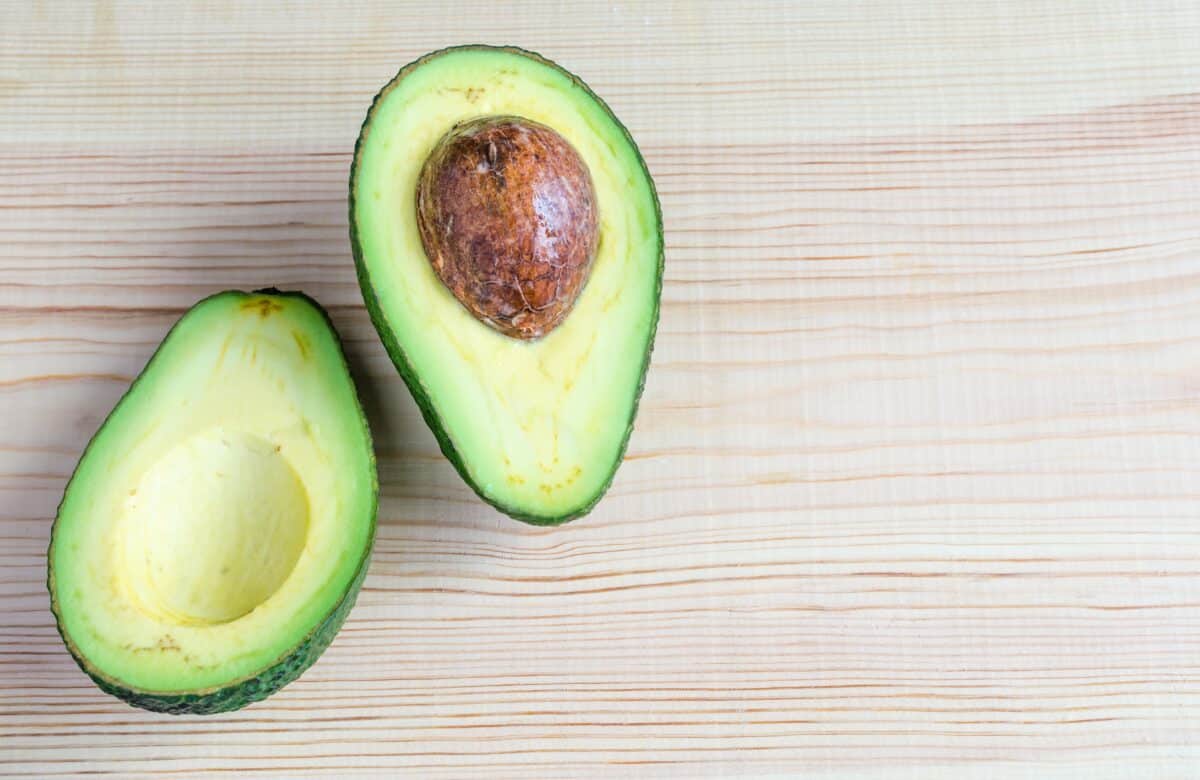
The easiest way to remove the flesh is with a tablespoon. Remove the stone by hitting it firmly with a sharp knife and levering it out. The brown skin around the stone goes in the bin, along with the outer skin.
Soya cream instead of cow’s milk or condensed milk
Traditional Abacate is made with sweetened condensed milk, which makes the liqueur heavier and sweeter. We use soya cream because it has less of its own flavour and does not overpower the avocado. Condensed milk would make the liqueur taste like a dessert rather than a drink. Soya cream also contains no lactose that could crystallise during storage.
If you use dairy cream, choose one with at least 30 per cent fat. Single cream or milk will separate after a few days in the fridge because they do not have enough fat to keep the emulsion stable.
30 seconds at speed 8 is the threshold
The avocado must become completely smooth, otherwise fibres remain in the liqueur that feel unpleasant to drink. 30 seconds at speed 8 is the minimum time needed to break down the flesh completely. Less than that and you get small pieces that settle at the bottom of the bottle. You do not need longer because the avocado is already soft and has no tough fibres like carrots.
After blending, the liqueur is ready to drink straight away, but it tastes better after a few hours in the fridge. The flavours come together and the alcohol becomes less sharp. After 24 hours the liqueur has reached its final consistency.
Sterilised bottles extend the shelf life
Abacate keeps in the fridge for at least 2 weeks if the bottle is clean. We rinse the bottle with boiling water and leave it to dry in the air. This kills most of the bacteria and yeasts that could spoil the liqueur. Without this step the liqueur will turn rancid after 5 to 7 days because the fat in the avocado oxidises.
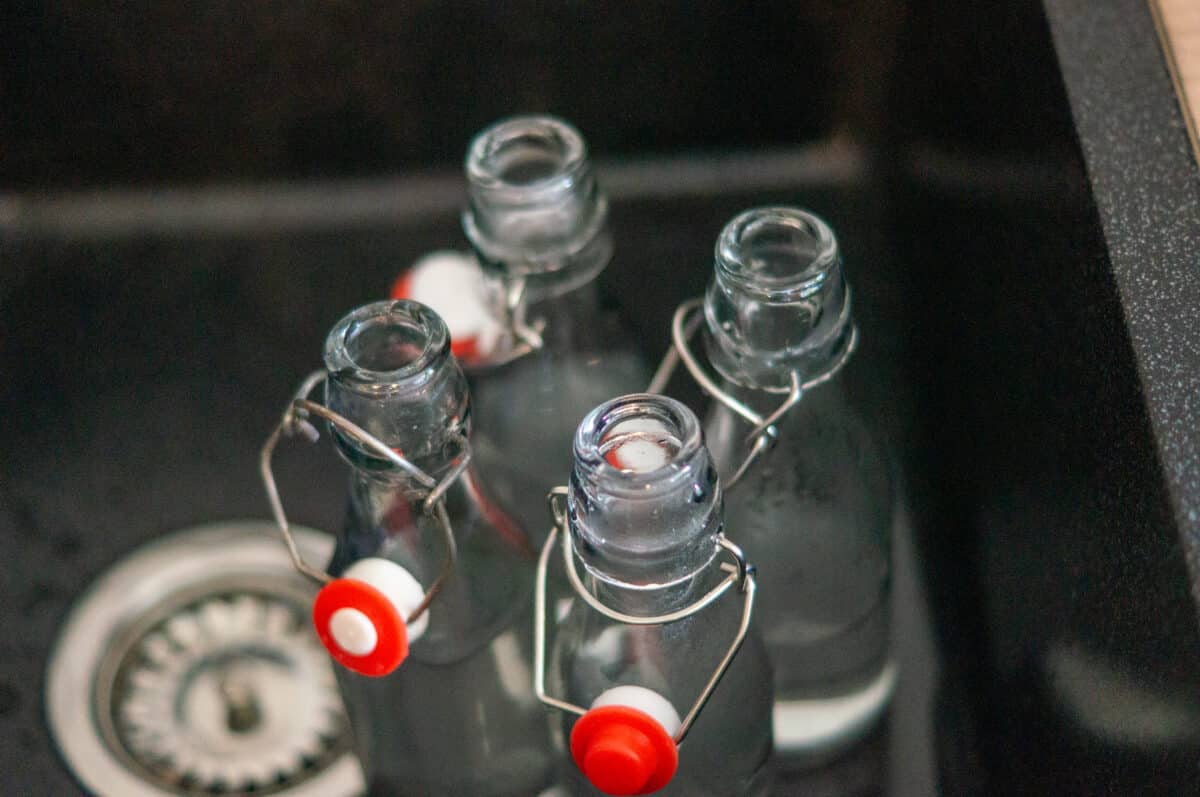
If the liqueur tastes bitter after a few days, the avocado was too ripe or the bottle was not clean. The liqueur cannot be rescued and must be discarded. A colour that is too dark points to an overripe fruit; a colour that is too pale points to too little avocado.
Serving and pairings
Abacate is served ice-cold, straight from the fridge. The ideal drinking temperature is 8 to 10 degrees Celsius. Warmer and the fat of the avocado tastes oily; colder and the alcohol numbs the palate. We serve the liqueur in small glasses because it is very filling. 50 ml is enough as a serving.
As a dessert accompaniment, Abacate goes particularly well with brownies made in the Thermomix® or mango sorbet from the Thermomix®. The acidity of the mango cuts through the fat of the avocado and makes the liqueur feel lighter. It pairs less well with chocolate because both components are very rich and feel heavy together in the mouth.
How other recipes differ
Goes well with: coconut macaroons, chocolate cake and waffles.
Other Abacate recipes vary considerably in the alcohol used: some call for white rum, others for Cachaca, and some even for vodka. We stick with Cachaca because this sugarcane spirit cleanly underlines the Brazilian roots of the liqueur (Abacate is simply the Portuguese word for avocado). The dairy component also varies widely: coconut cream, almond drink, and double cream appear just as often as soya cream. On the avocado question, many recipes recommend very ripe fruit, while others specify firmer ones. We use medium-ripe avocados with light-green flesh for a creamy consistency without dark patches. A slice of lime for aroma, as some versions suggest, we deliberately leave out so that the avocado flavour stays in the foreground.