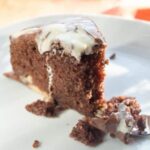
This Breslau chocolate vanilla cake combines a cocoa sponge with homemade vanilla custard. The trick: the custard is not stirred into the batter but spooned on top deliberately, then bakes into a natural marbling pattern.
We use the Thermomix® for both stages: first to cook the custard, then to prepare the chocolate sponge in the same, rinsed mixing bowl. That keeps washing-up to an absolute minimum.
Breslau Chocolate Vanilla Cake with the Thermomix®
Ingredients 0 / 17 ✓
- 1 vanilla pod
- 200 g milk
- 50 g double cream
- 60 g sugar
- 2 egg yolks
- 30 g cornflour
- 1 pinch salt
- 250 g butter + extra for greasing
- 290 g sugar
- 100 g water
- 3 tbsp cocoa powder (unsweetened)
- 250 g flour
- 1 sachet baking powder
- 1 sachet vanilla sugar
- 4 eggs
- 200 g milk chocolate couverture
- 200 g white chocolate couverture
Instructions 0 / 7
-
1
Cook the custard.
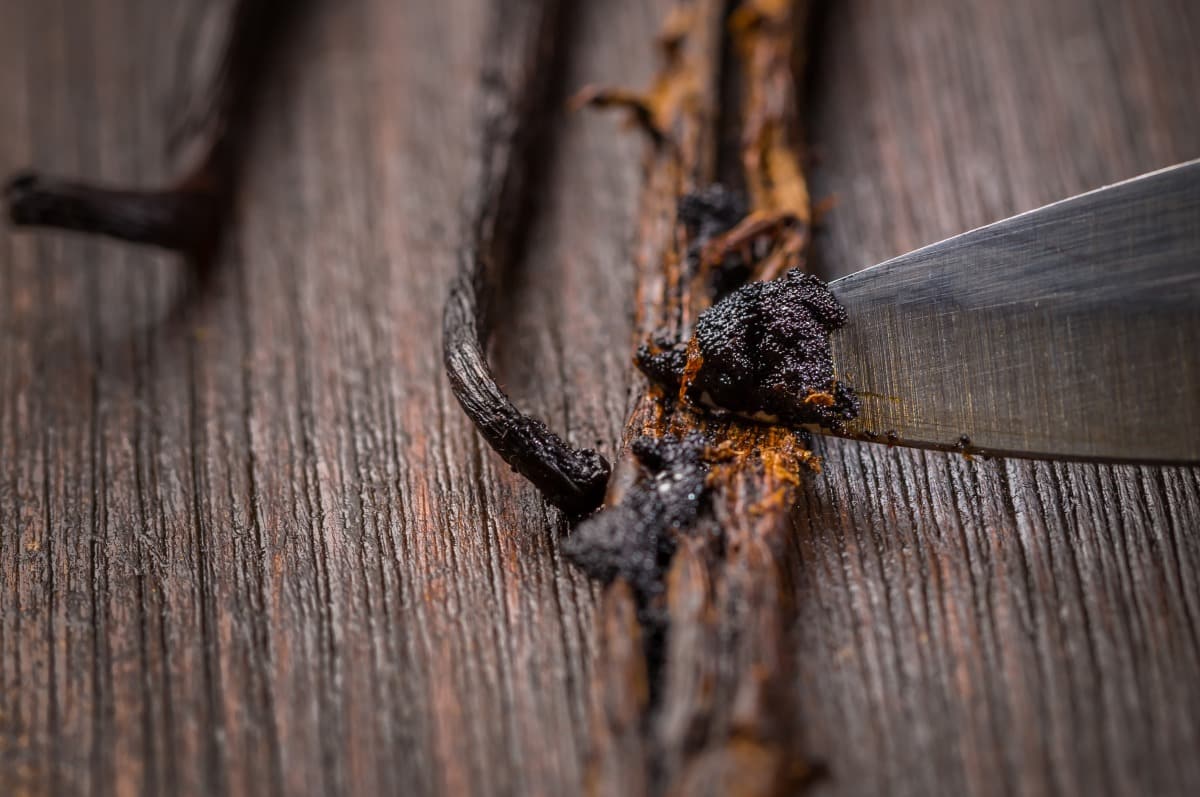
Slit open the vanilla pod and scrape the seeds into the mixing bowl. Add the milk, double cream, sugar, egg yolks, cornflour and salt, then cook for 7 minutes / 90°C / speed 3 and set aside. Cover with cling film to prevent a skin from forming. Rinse the mixing bowl.
-
2
Preheat the oven.
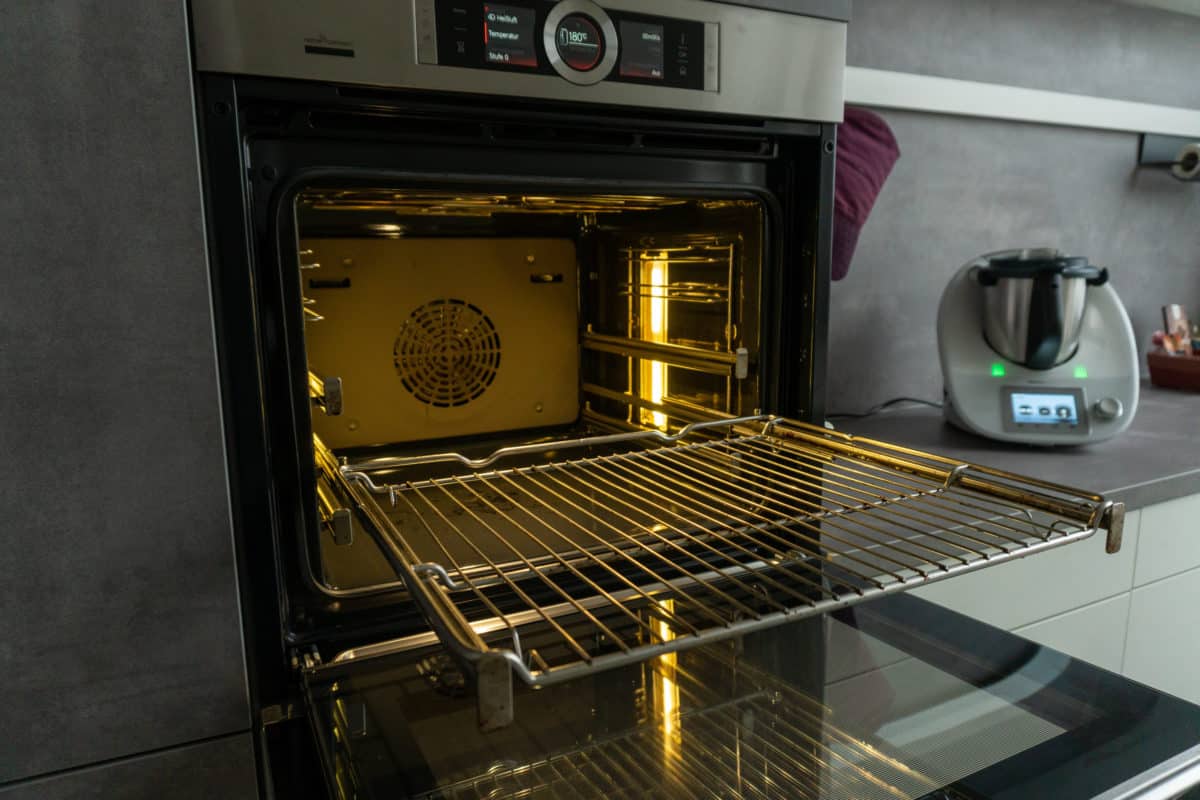
Preheat the oven to 180°C top and bottom heat (160°C fan, gas mark 3).
-
3
Mix the sponge.
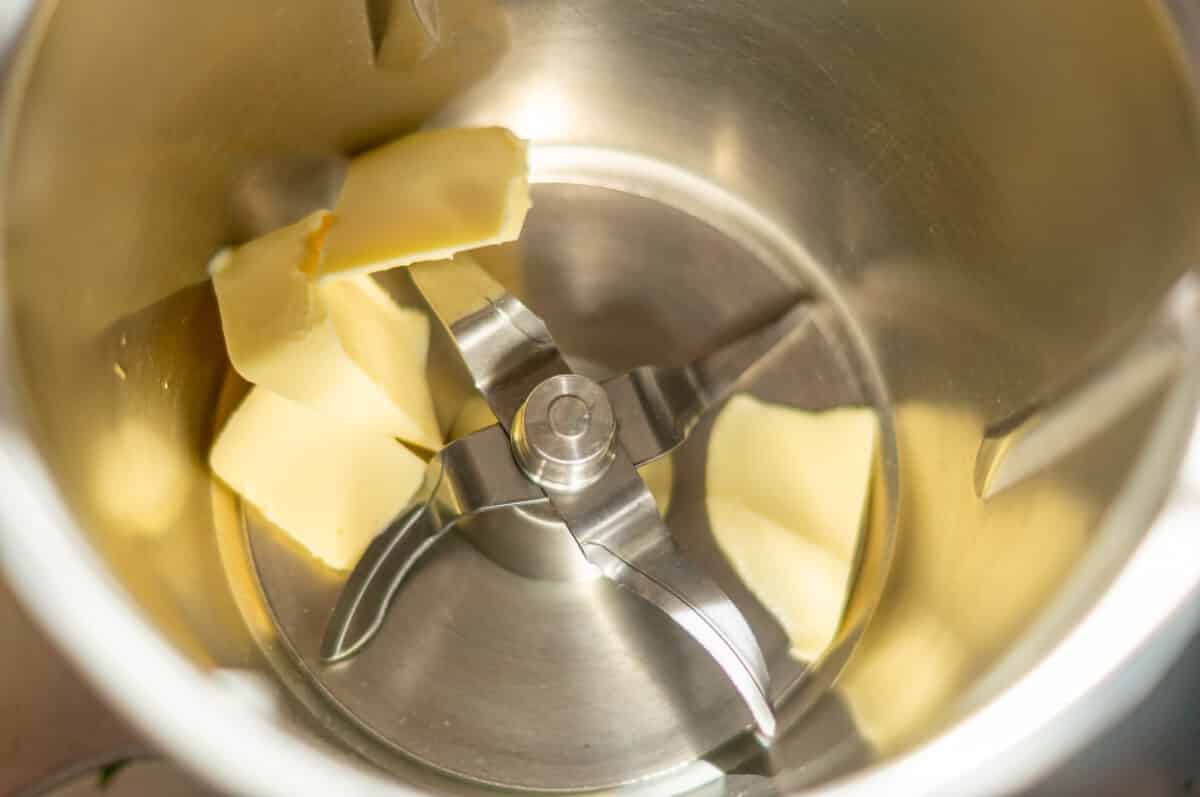
Cut the butter into pieces and place in the mixing bowl along with the sugar, water and cocoa powder. Cook for 4 minutes / 100°C / speed 2. Leave to cool to 50°C. Add the flour, baking powder, vanilla sugar and eggs and mix for 2 minutes / speed 3.
-
4
Bake the cake.
Grease a springform tin with butter, pour in the sponge batter, then dot the cooled custard over the top in spoonfuls. Bake on the middle shelf of the oven for 55 to 60 minutes. Test with a skewer.
-
5
Leave the cake to cool.
Leave the cake to cool completely.
-
6
Melt the couverture and coat the cake.
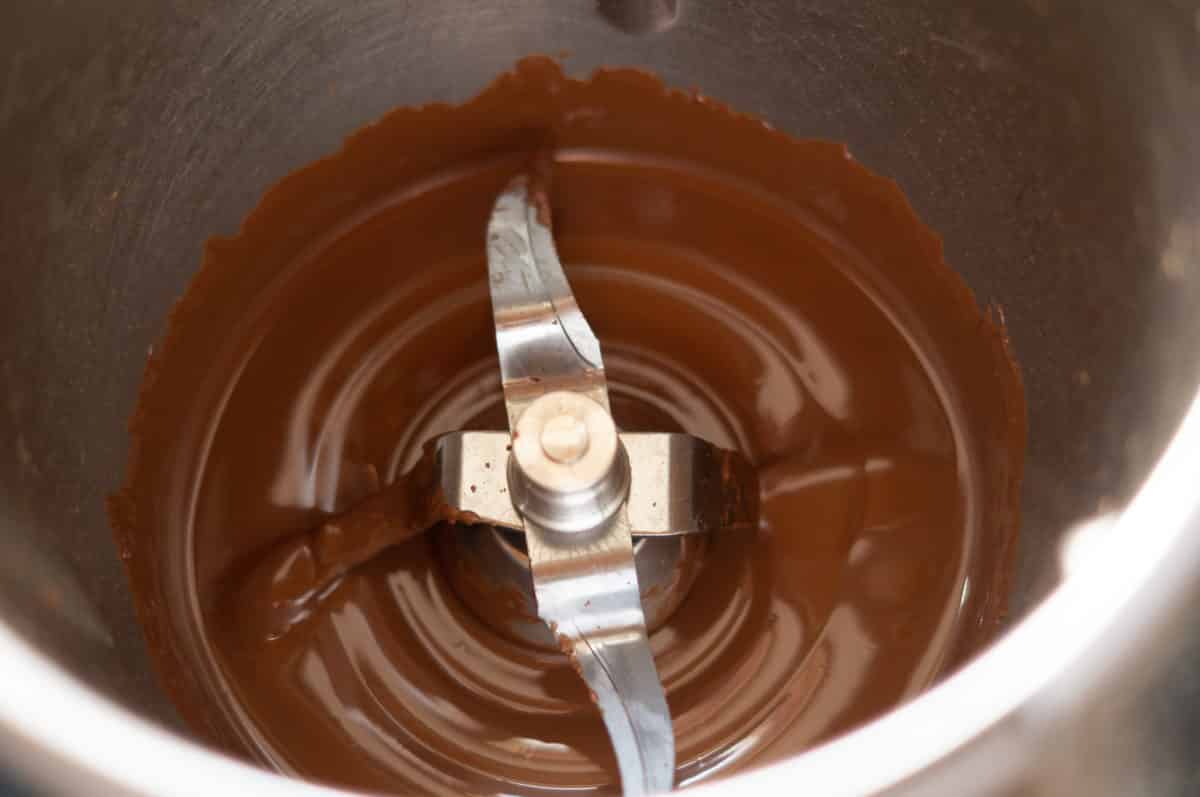
Break the milk chocolate couverture into pieces, place in the mixing bowl and chop for 10 seconds / speed 8. Push down with the spatula and melt for 3 minutes / 50°C / speed 2. Coat the cake with the melted chocolate. Rinse the mixing bowl with hot water and dry thoroughly.
-
7
Melt the white couverture and decorate the cake.
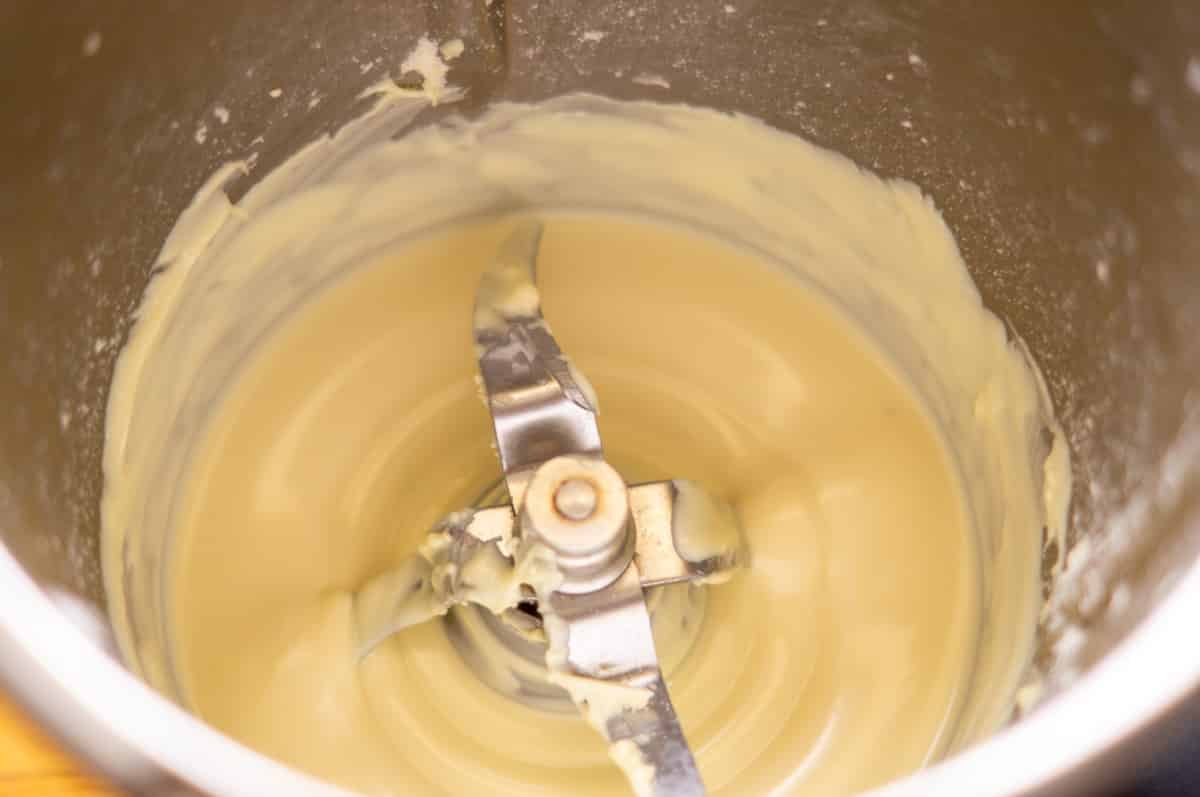
Place the white chocolate couverture pieces in the mixing bowl and chop for 10 seconds / speed 8. Push down with the spatula and melt for 3 minutes / 50°C / speed 2. Dot the white chocolate over the cake.
Video
Nutrition per serving
Why cook the custard first
The vanilla custard needs time to cool down. If we make it first and cover it with cling film, it can come down to room temperature while we prepare the sponge. Warm custard would soften the batter and cause the marbling to run.
The 7 minutes at 90°C on speed 3 are enough for the cornflour to bind the milk. The vanilla seeds scraped from the slit pod give the characteristic flavour. Using vanilla powder or vanilla sugar means losing the black specks and the fresh vanilla taste.
Chocolate sponge with water instead of milk
The butter is cooked together with the sugar, water and cocoa powder for 4 minutes at 100°C on speed 2. The water dissolves the cocoa and the butter melts evenly. Milk would curdle here and make the batter lumpy.
The cooling phase down to 50°C is important. If the mixture stays too hot and the eggs are added straight away, the egg whites will set and the sponge will turn crumbly. At 50°C, the eggs, flour and baking powder combine without any lumps.
Dotting the custard on top
Grease the springform tin with butter. Pour in the chocolate sponge batter first, then spoon the cooled custard on top in individual dollops using a spoon. Do not stir and do not marble. The heat in the oven pulls the custard dots gently into the batter and creates the classic marbled look.
Baking time is 55 to 60 minutes at 180°C top and bottom heat. A skewer test shows when the cake is baked through. If wet batter still clings to the wooden skewer, the cake needs another 5 minutes.
Coating in two stages
The milk chocolate couverture is chopped for 10 seconds at speed 8 and then melted for 3 minutes at 50°C on speed 2. The temperature must not go higher, otherwise the couverture loses its shine and turns dull. After coating, rinse the mixing bowl with hot water so no chocolate residue sticks.
The white chocolate couverture follows the same method. Add small dots on top of the dark layer and do not spread them out. This keeps the contrast sharp and the cake looks as though it came straight from a patisserie.
When the custard runs during baking
If the custard dollops are too large or too much custard is placed on the batter, the mixture can overflow the edge during baking. The solution: use smaller dollops and space them out. The sponge rises during baking and encloses the custard pockets.
If the custard is still too warm, it sinks through the batter to the bottom of the tin and burns. So take the cooling phase seriously and bring the custard right down to room temperature.
Leftovers the next day
Goes well with: vanilla sauce and vanilla ice cream.
The cake keeps in the fridge for 4 days in a sealed tin. The couverture sets firm in the fridge, so take the cake out 30 minutes before serving. Freezing does not work well because the custard turns watery when thawed.
Fancy more chocolate cake? Try our Thermomix® chocolate ice lolly recipe.