Currently in season
Fennel in the Thermomix®
We have matched 4 English Thermomix® recipes with fennel. Here is the season window, buying advice and the best MixMyDay recipe links.
Seasonal calendar by month
When are fennel in season?
In season across Europe from June to October, with imported fennel available almost all year round.
- Jan–
- Feb–
- Mar–
- Apr–
- May–
- JunOutdoor crop
- JulOutdoor crop
- AugOutdoor crop
- SepOutdoor crop
- OctOutdoor crop
- Nov–
- Dec–
Outdoor crop: fresh European harvest. Protected crop: greenhouse or covered cultivation. Stored: European harvest kept in storage.
Buying and storing fennel
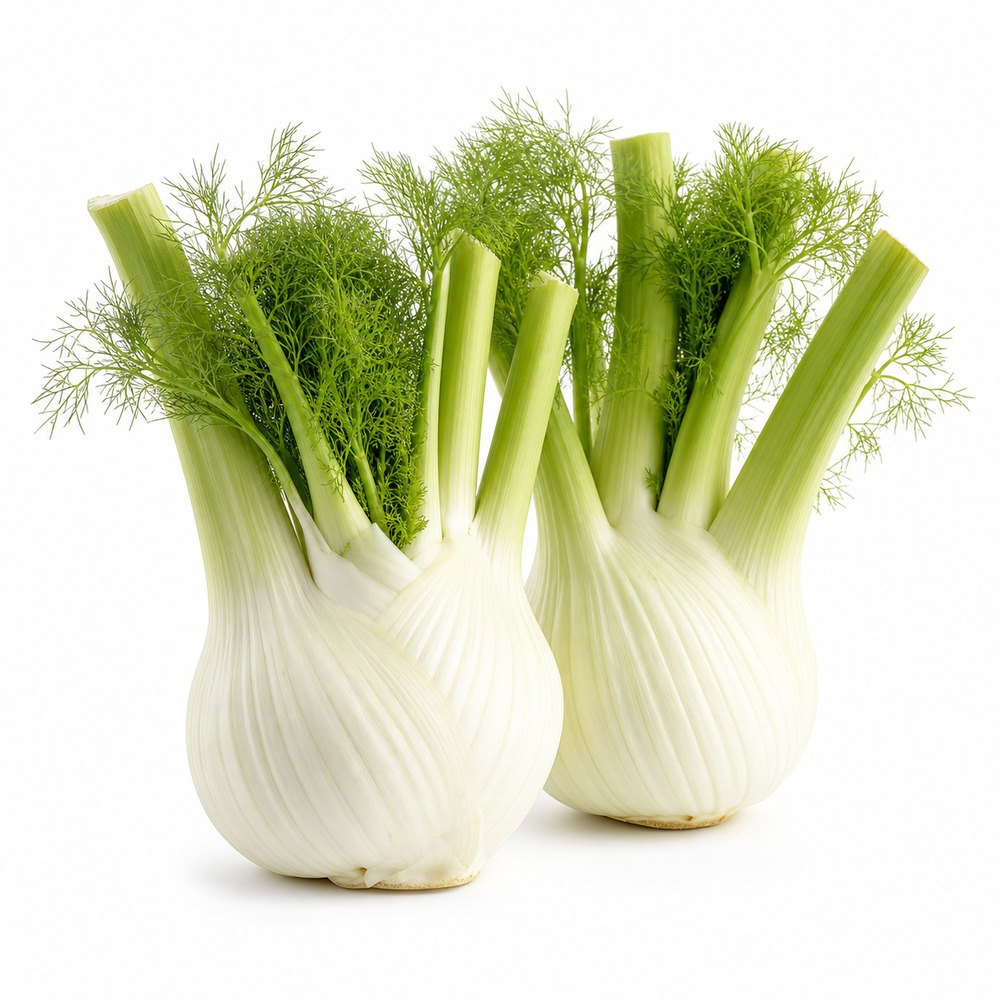
In the shops you will only find Florence fennel with its characteristic swollen bulb, which is different from the spice and bitter fennel we know only as seeds. Popular varieties are the small, tender Florence type and the larger, sweeter Neapolitan type. Look for a firm, bright white to pale green bulb with a light aniseed scent and strong green, not wilted, fronds. Pressure marks or brown spots on an otherwise firm bulb are harmless signs of transport, but soft patches point to ageing.
Store fennel in a perforated plastic bag in the vegetable drawer of the fridge so no water collects. Kept like this, it stays fresh for up to a week. To freeze it, cut the bulb into slices, blanch for 2 minutes, refresh, drain and freeze. Frozen like this, fennel keeps for up to 6 months.
Preparing fennel in the Thermomix®
In our recipes we use fennel both as a vegetable side and as a source of flavour. Halve the fennel bulb first, cut out the hard core and slice the bulb or cut it into eighths. In the Thermomix® you can steam fennel gently in the Varoma at Varoma temperature on speed 1 for 15 to 20 minutes, until soft but still with a slight bite.
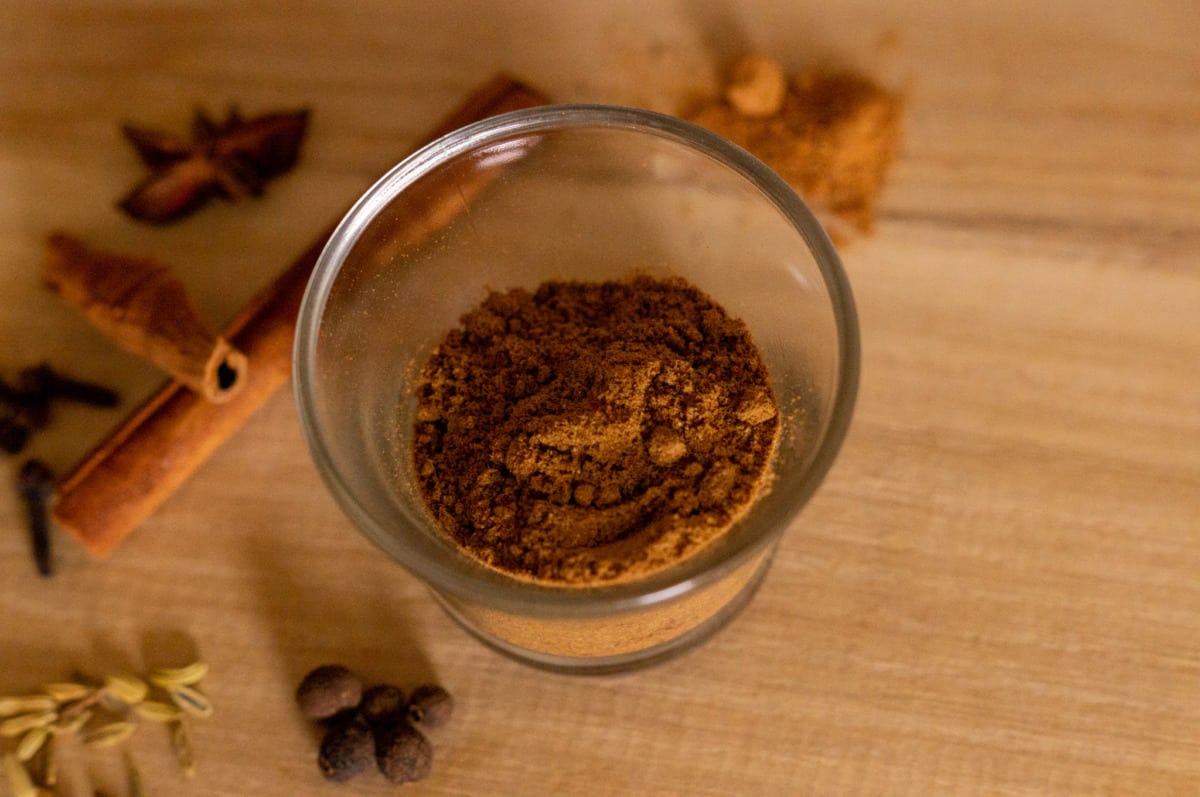
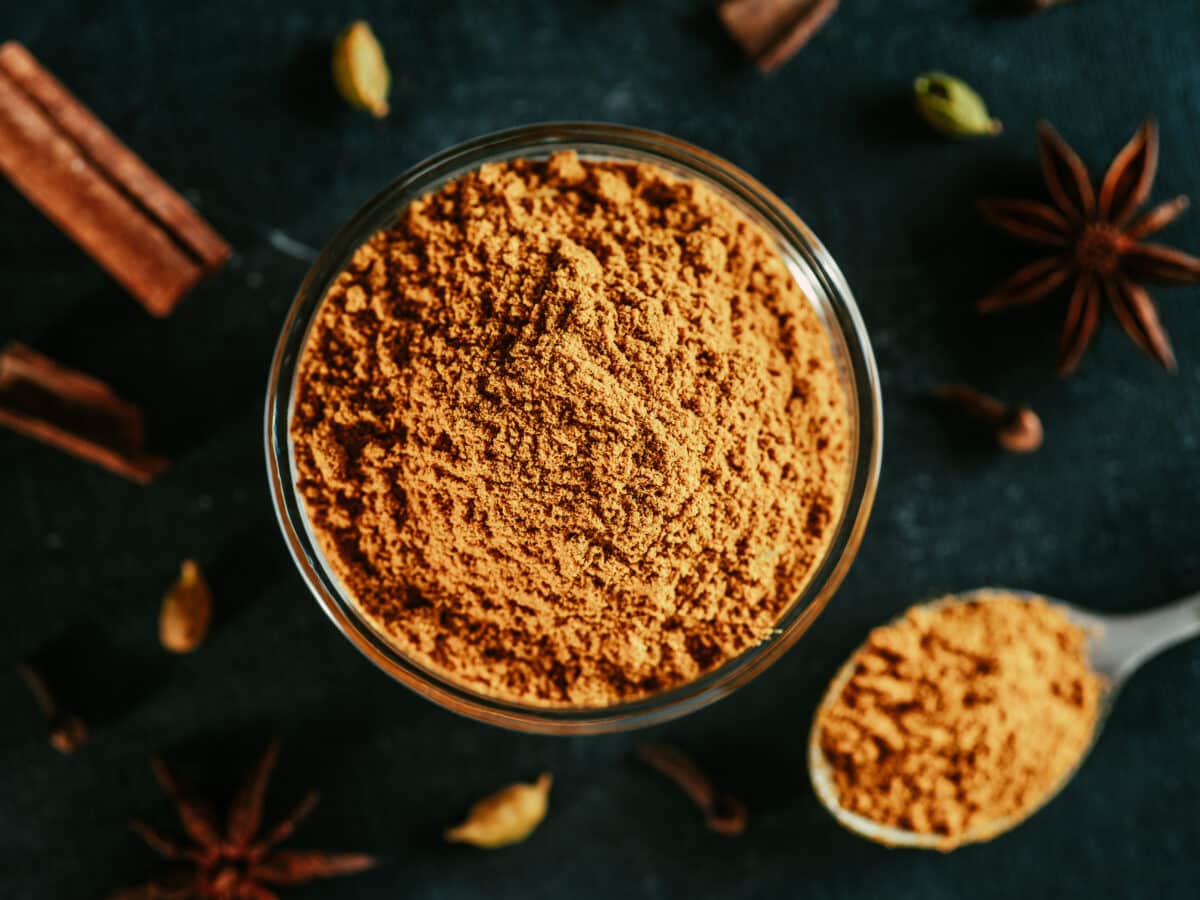
Chop the fronds finely and add them at the end of cooking, or use them as a fresh garnish. For salads and dressings, cut the raw bulb into wafer-thin slices: in the Thermomix®, chop briefly for 3 sec / speed 5. Grind fennel seeds from our spice recipes such as gingerbread spice or garam masala finely in the Thermomix® on speed 10.
The most common mistakes with fennel
- Not removing the hard core. The woody core in the middle of the fennel bulb stays tough even after long cooking. Always cut the core out in a wedge after halving, and the fennel will cook through evenly.
- Throwing away the fronds. The tender fennel fronds taste almost identical to the bulb and make an excellent herb substitute: finely chopped over soups, in dressings or in smoothies. Do not throw them away.
- Heating it too hard. Cooking fennel too long or too fiercely tips its aniseed flavour into bitterness. Steam it in the Varoma at a moderate temperature with enough liquid, rather than scorching it in dry heat.
All 4 Thermomix® recipes with fennel
Fennel in more recipes (4 recipes)
 Tomatoes
 Carrots
 Potatoes
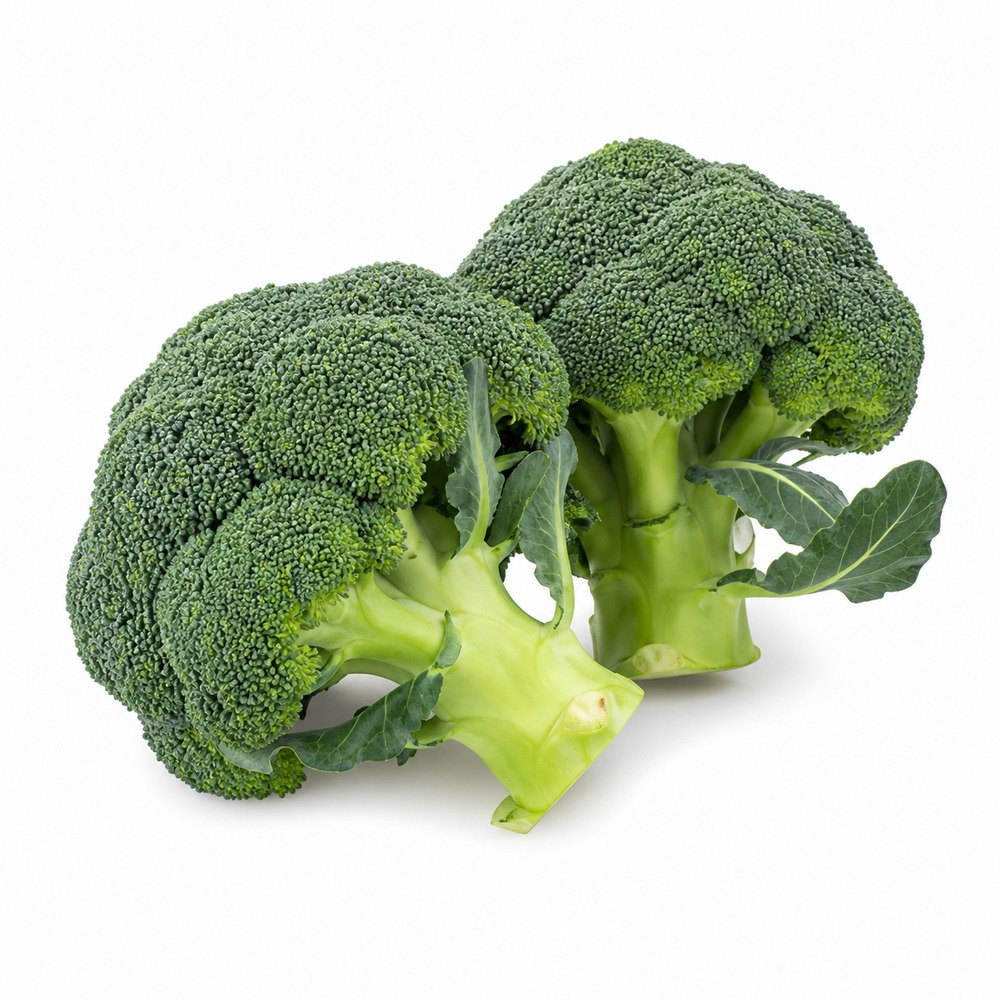 Broccoli
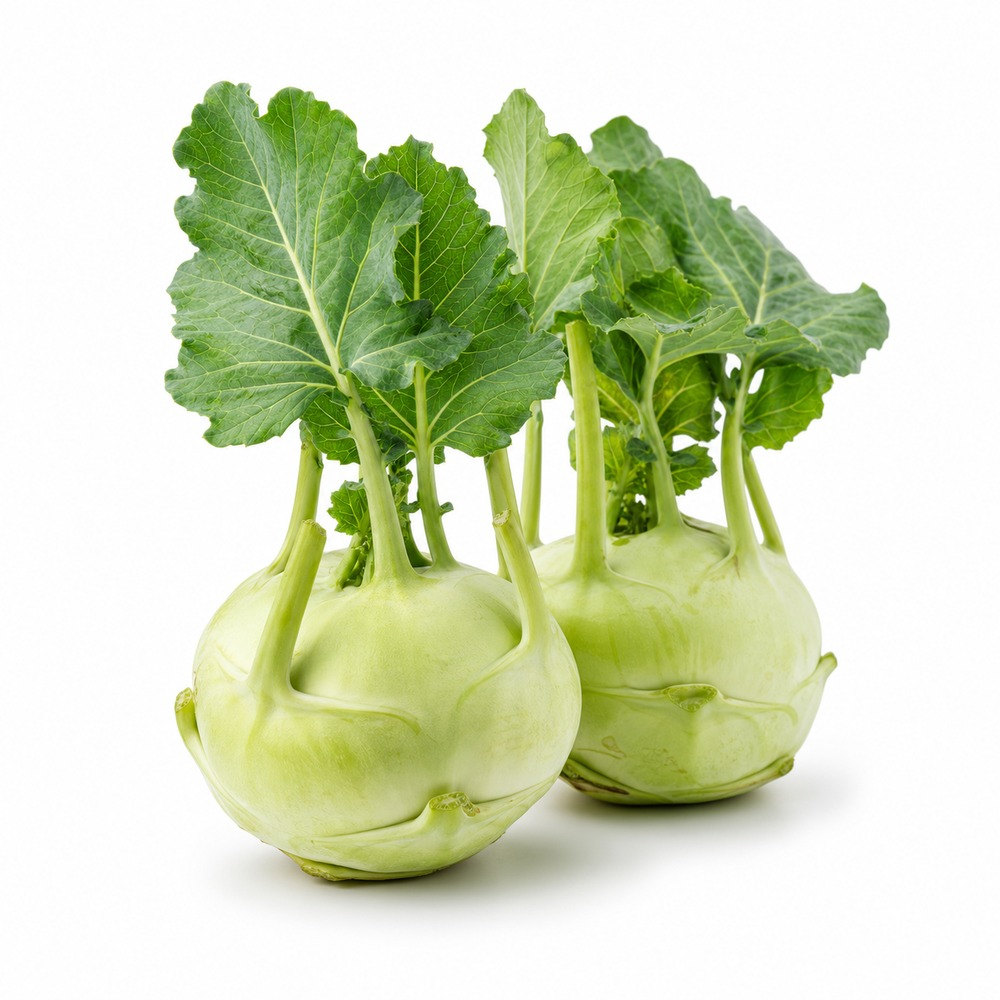 Kohlrabi
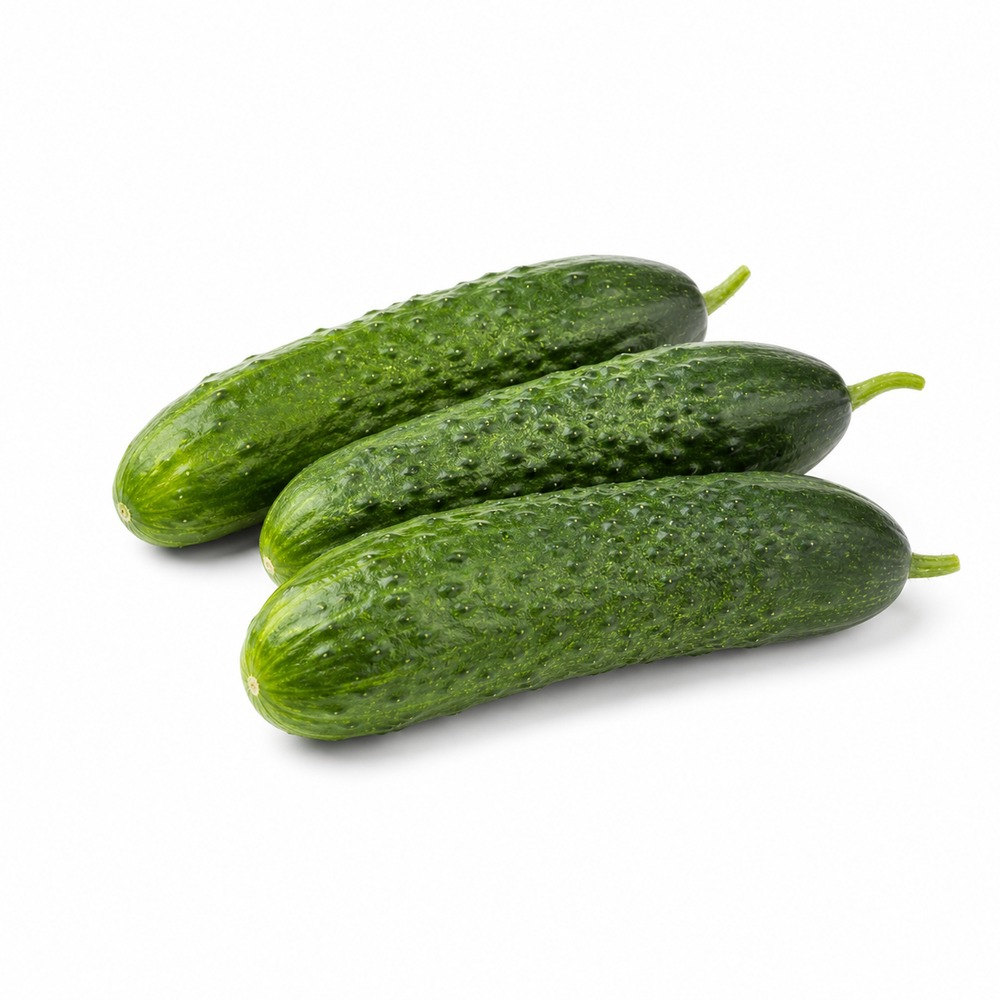 Cucumbers
Good to know
What is the difference between Florence fennel and spice fennel?
Florence fennel forms a thick bulb and is eaten as a vegetable. Spice fennel and bitter fennel, on the other hand, do not form a bulb and are grown only for their seeds, which we use in spice blends such as garam masala or gingerbread spice.
When is fennel in season?
Fennel bulbs from European growers are available from June to October. In the other months fennel usually comes from Italy, France or Spain, where it grows almost all year round.
Can you freeze fennel?
Yes. Cut the bulb into slices, blanch for 2 minutes, refresh straight away in iced water and drain. Well wrapped, fennel keeps in the freezer for up to 6 months.
How can I tell if fennel is fresh?
The bulb should be firm and bright white to pale green, with a light aniseed scent. The fronds should not hang limp. Soft patches or dull, browned fronds show that the bulb is no longer fresh.
How many Thermomix® recipes with fennel are there?
There are currently 4 recipes in our collection. You will find them above, sorted by main ingredient and supporting ingredient.