Currently in season
Savoy Cabbage in the Thermomix®
We have matched 1 English Thermomix® recipes with savoy cabbage. Here is the season window, buying advice and the best MixMyDay recipe links.
Seasonal calendar by month
When are savoy cabbage in season?
In season across Europe from September to February, with tender early varieties from May to August.
- JanOutdoor crop
- FebOutdoor crop
- Mar–
- Apr–
- May–
- Jun–
- Jul–
- Aug–
- SepOutdoor crop
- OctOutdoor crop
- NovOutdoor crop
- DecOutdoor crop
Outdoor crop: fresh European harvest. Protected crop: greenhouse or covered cultivation. Stored: European harvest kept in storage.
Buying and storing savoy cabbage
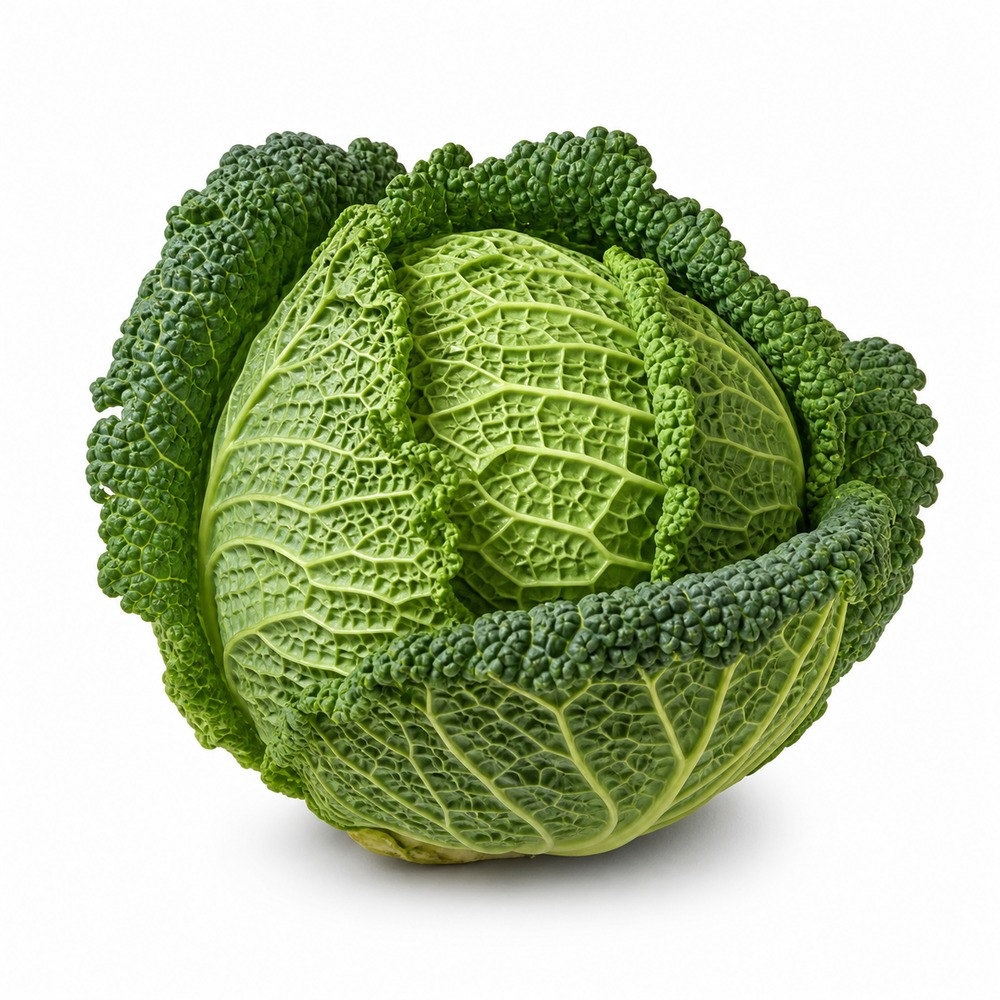
Savoy is the most tender of the headed cabbages and comes in early, mid-early and late winter varieties. Early types have pale green, loosely crinkled leaves and a mild taste. Late winter varieties have dark green, tightly curled leaves and a more robust flavour. When buying, check that the cut surface at the base looks juicy and moist: a dry, shrivelled cut face is a warning sign that freshness is fading. The outer leaves should be crisp and dark green, without dark spots or limp patches.
Savoy cabbage keeps in the vegetable drawer of the fridge for 1 to 2 weeks, though early summer varieties should be used within a few days. To freeze it, blanch the leaves, refresh them in iced water, squeeze out the water well and freeze in portions. Frozen like this, savoy keeps for up to 12 months.
Preparing savoy cabbage in the Thermomix®
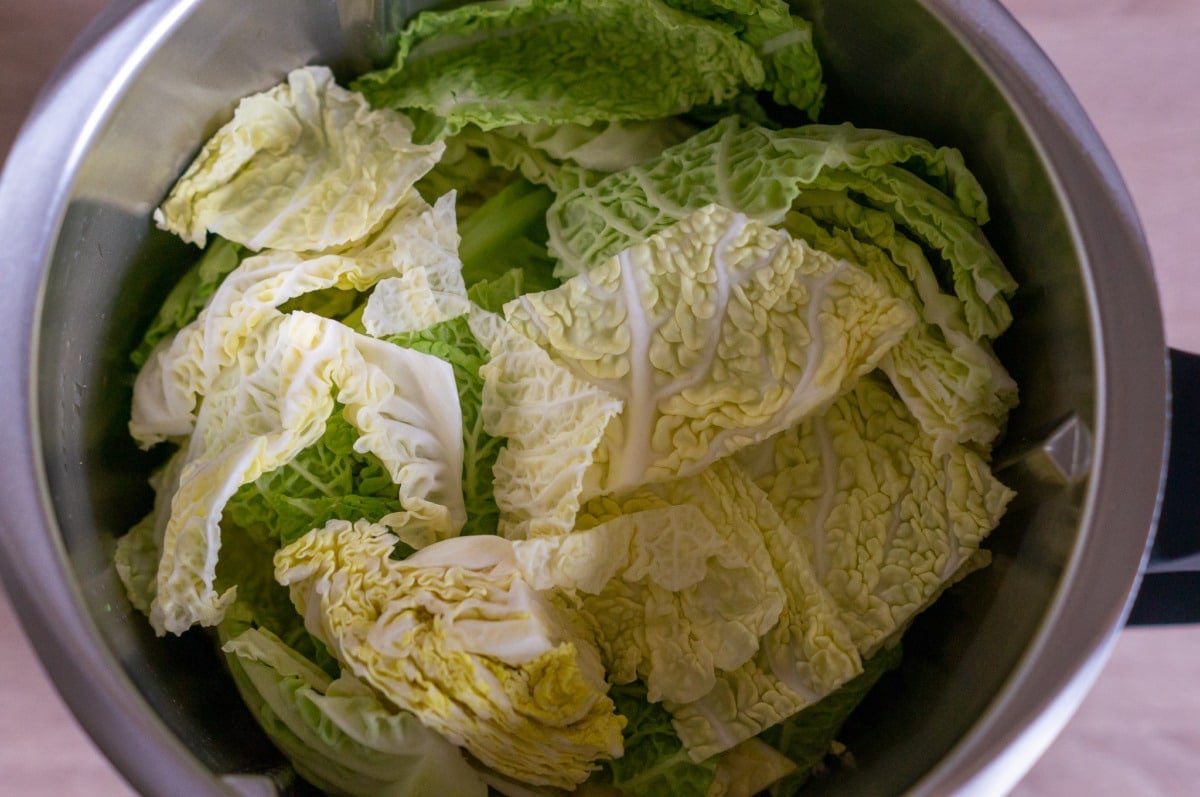
The Thermomix® is ideal for preparing savoy for the classic creamed savoy cabbage: strip the leaves from the thick ribs, cut them into wide strips and steam them gently in the Varoma at Varoma temperature on speed 1 for about 15 minutes, until soft but still with a slight bite. Then add them straight to the cream sauce. Cooking in the steaming basket on speed 1 at 100°C also works well for savoy if it has been blanched first.
When steaming savoy in the Varoma for stuffed cabbage rolls, blanch the outer leaves briefly in boiling water first so they become pliable before you fill them.
The most common mistakes with savoy cabbage
- Leaving the ribs in. The thick leaf ribs stay tough after cooking while the leaf itself is already done. Always cut or strip out the ribs before steaming or cooking, and the vegetable will cook evenly.
- Steaming it for too long. Overcooked savoy loses its bright colour, turns mushy and develops a strong cabbage flavour. In the Varoma, 12 to 15 minutes is enough for a tender bite. Better to taste too early than too late.
- Treating late winter savoy like an early variety. Winter varieties have firmer, coarser leaves and need noticeably longer to cook. Early and summer varieties are done after 10 minutes in the Varoma, while winter varieties need 18 to 25 minutes.
All 1 Thermomix® recipes with savoy cabbage
Savoy Cabbage as the main ingredient (1 recipes)
Goes well with savoy cabbage
These seasonal ingredients are in season at the same time, ideal for combining:
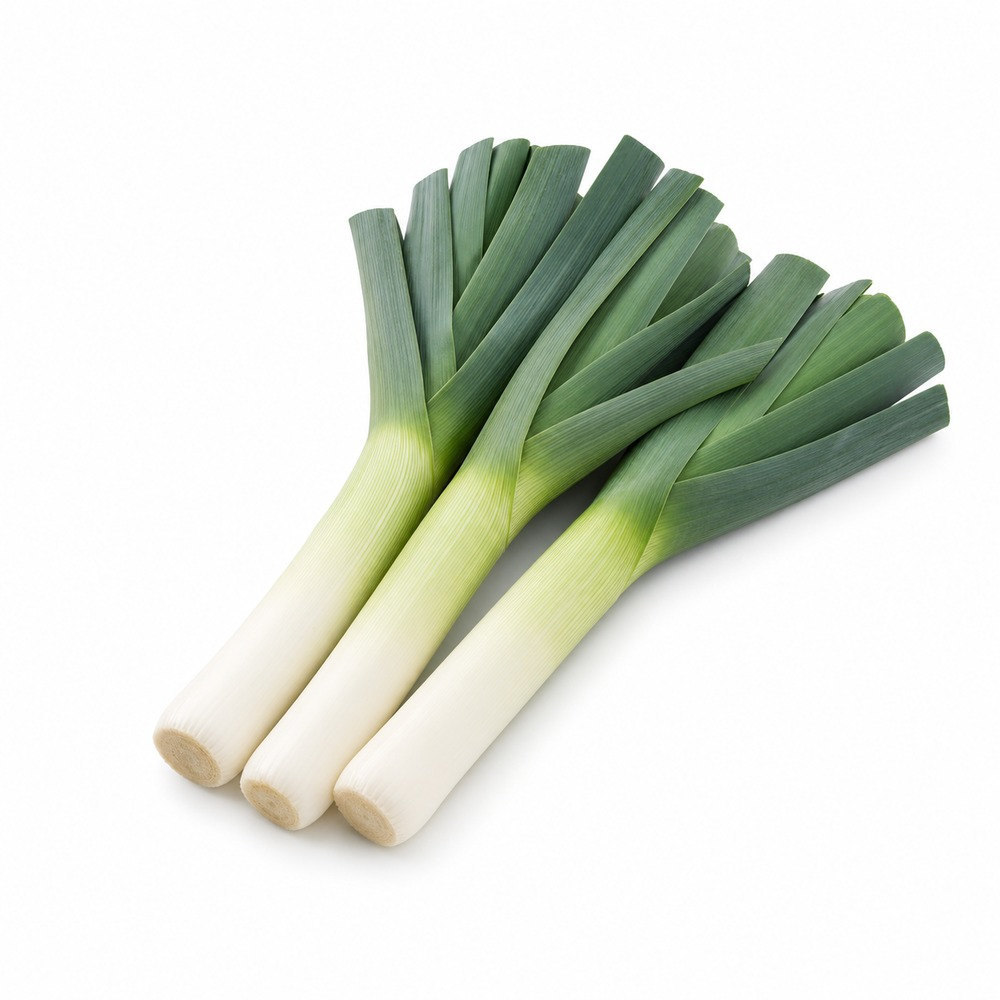 Leeks
Leeks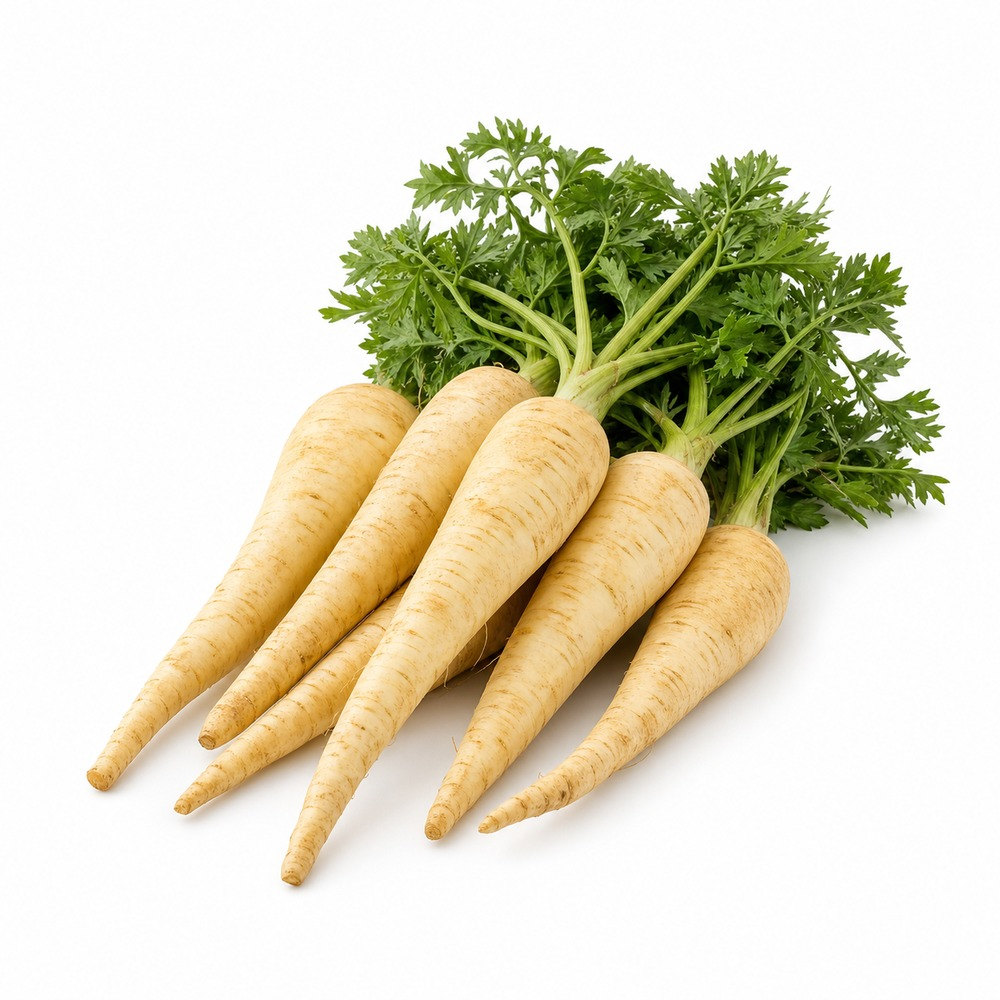 Parsnips
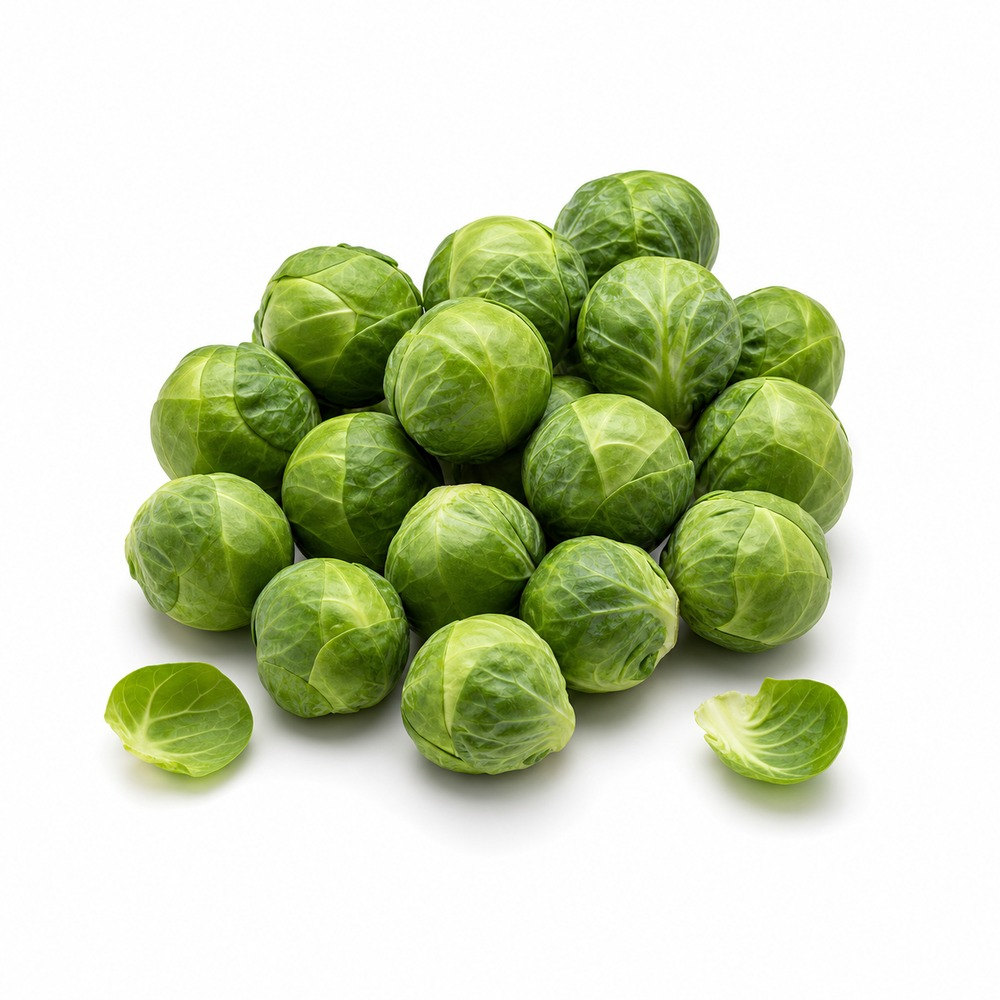 Brussels Sprouts
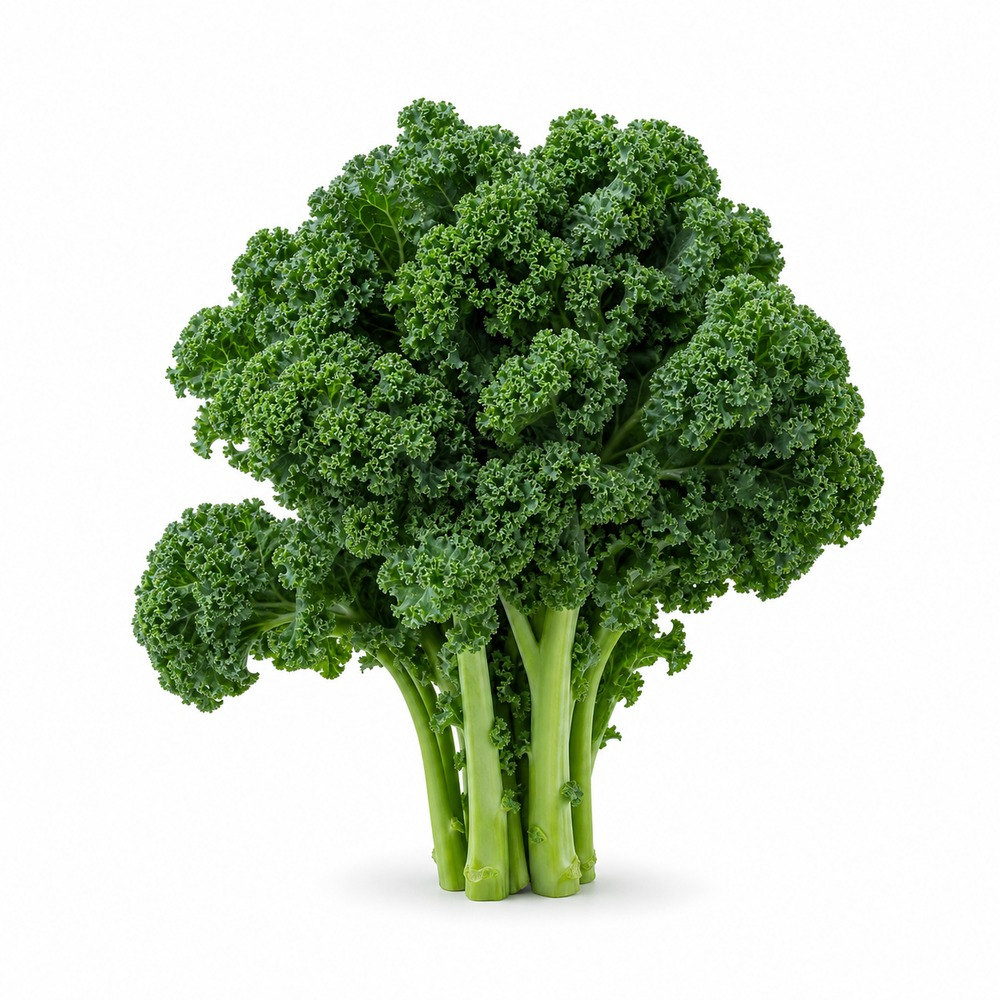 Kale
Kale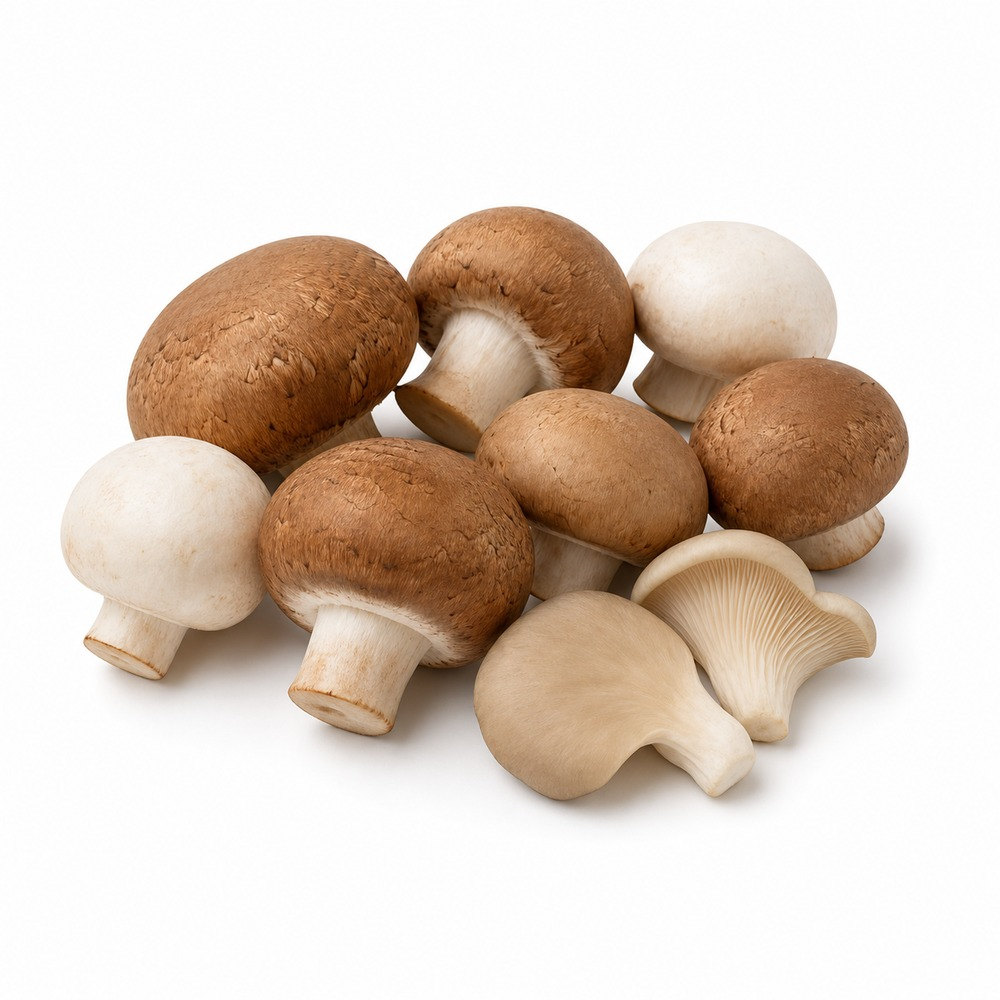 Mushrooms
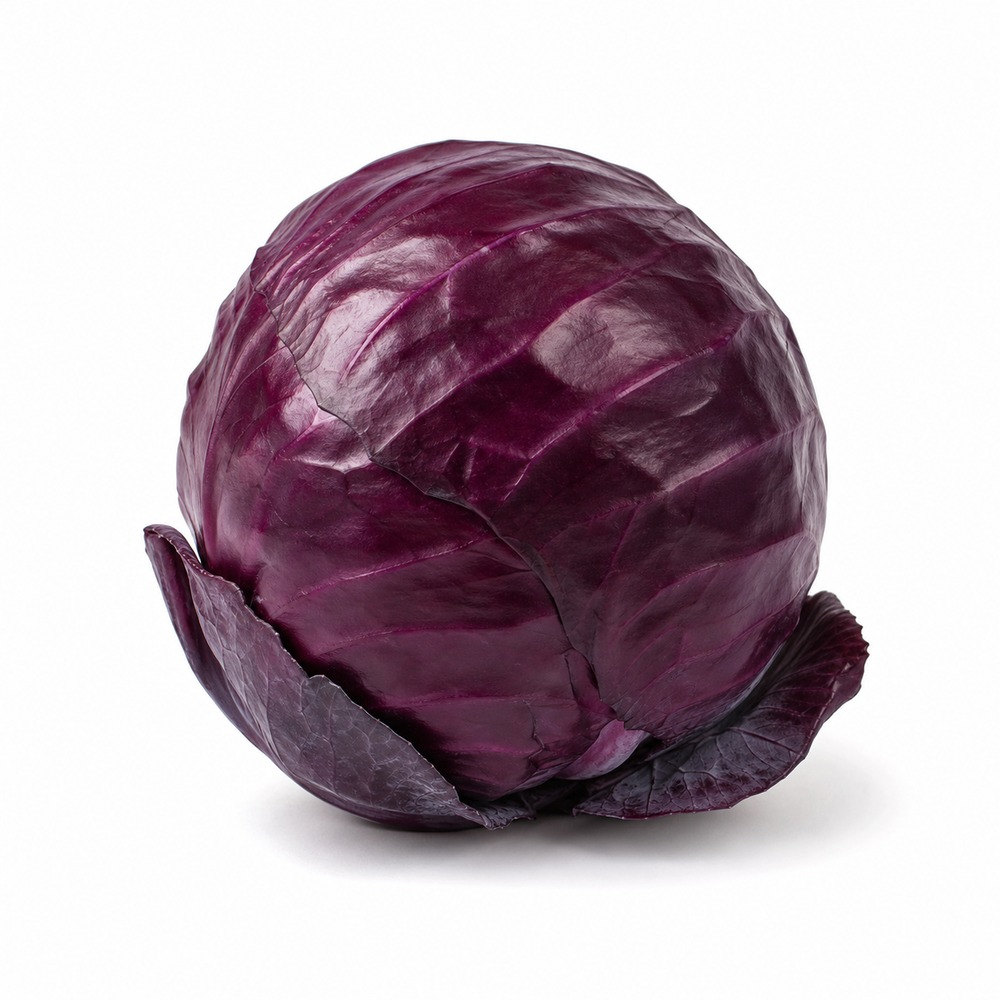 Red Cabbage
Savoy Cabbage in the monthly calendar:
Good to know
What is the difference between early and winter savoy?
Early savoy has pale green, loosely crinkled and tender leaves with a mild flavour, ideal for salads and short cooking times. Winter savoy has dark green, tightly curled, coarse leaves that need longer to cook but taste more robust.
When is savoy cabbage in season?
Early savoy is available from May to August. The main season for the heartier autumn and winter savoy runs from September to February. That makes savoy available from European growers almost all year round.
How can I tell if savoy cabbage is fresh?
The cut surface at the base should look juicy and moist, not dry or browned. The outer leaves should be crisp and dark green, without dark spots or limp, wilted patches.
Can you freeze savoy cabbage?
Yes. Blanch the leaves first, refresh them in iced water, squeeze out the water well and then freeze in portions. Stored like this, savoy keeps for up to 12 months.
How many Thermomix® recipes with savoy cabbage are there?
There are currently 1 recipes in our collection. You will find them above, sorted by main ingredient and supporting ingredient.