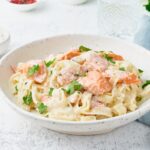
Pasta with salmon in the Thermomix® only works when the salmon and the pasta take separate heat paths. We cook the salmon in the Varoma at 100 °C steam while the pasta cooks below in the mixing bowl in the cheese sauce. Both processes run in parallel and are done in 20 minutes. If the salmon cooked together with the pasta, it would break into flakes and the sauce would taste fishy.
The recipe is an all-in-one solution for evenings when we have little time. No extra pots, no colander, no hob rings. The Thermomix® handles both cooking processes at the same time.
Pasta with Salmon and Cheese Herb Sauce, Thermomix®
Ingredients 0 / 10 ✓
- 50 g Parmesan
- 400 g vegetable stock
- 200 g double cream
- 200 g processed cheese
- 500 g salmon fillets
- 1 tsp salt
- 1 tsp freshly ground pepper
- 400 g tagliatelle
- 1/2 bunch dill
- 150 g crème fraîche
Instructions 0 / 5
-
1
Chop the Parmesan.
Cut Parmesan into pieces, place in the mixing bowl and chop for 10 seconds / speed 8, then set aside.
-
2
Cook the salmon.
Add vegetable stock, double cream and processed cheese to the mixing bowl. Season salmon with salt and pepper and place in the Varoma tray. Fit the Varoma and heat for 10 min / 100°C / speed 1.
-
3
Cook the pasta.
Add pasta to the mixing bowl, refit the Varoma and cook for 10 min / 100°C / reverse direction / gentle stir setting.
-
4
Prepare the dill.
Meanwhile, wash the dill, shake dry and pick off the fronds.
-
5
Combine and serve.
Transfer the tagliatelle to a bowl, fold in the crème fraîche, salmon, Parmesan and dill, and serve immediately.
Tip: You can use other pasta shapes for this recipe, such as penne or spirelli.
Video
Nutrition per serving
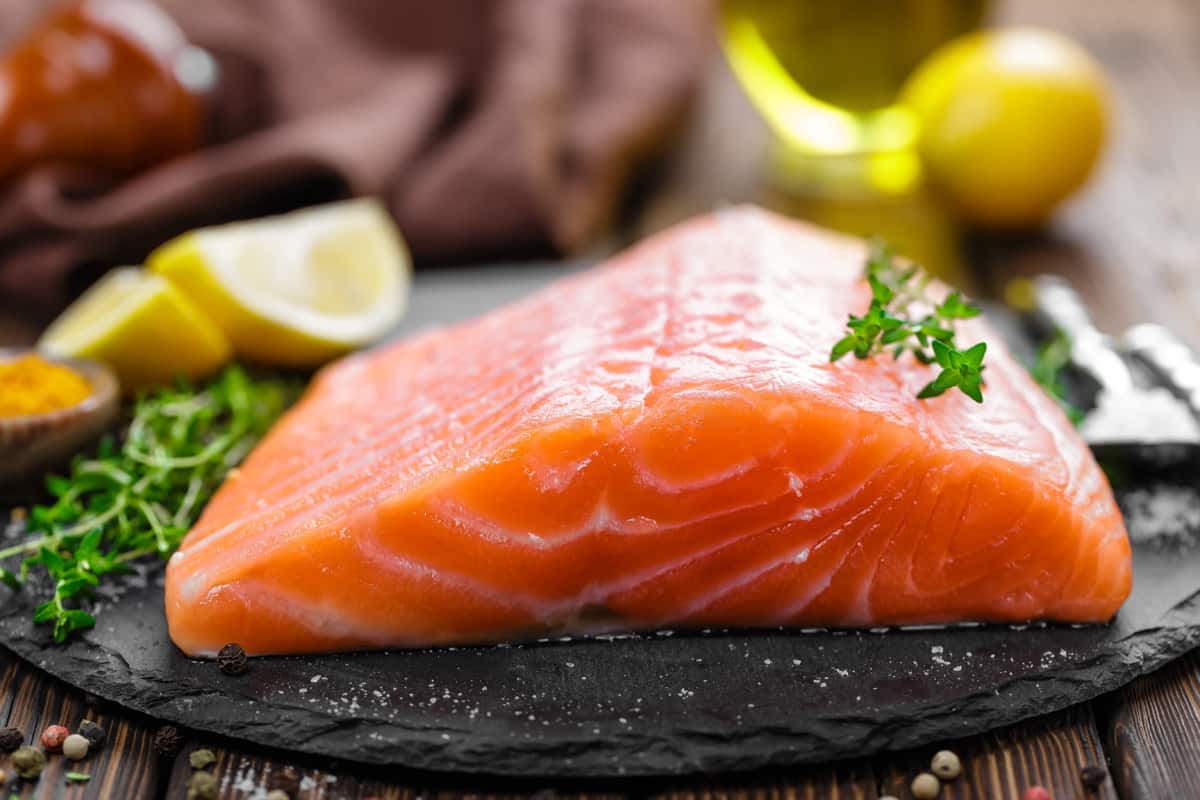
Why the salmon must stay on top
Salmon fillet is fully cooked once it reaches a core temperature of 60 °C. The Varoma operates at exactly 100 °C steam. That means 10 minutes at speed 1. No longer, or the fish will dry out.
If we placed the salmon directly in the sauce, we would have three problems: it breaks into small pieces during stirring, the sauce picks up too much fish flavour, and the 10-minute cooking time for the pasta would overcook the salmon.
The Varoma method keeps the salmon intact, protects the flavour and delivers a juicy bite. That is why we fold it in only after cooking.
The cheese sauce needs processed cheese
200 g of processed cheese is the core of this sauce. Processed cheese contains emulsifiers that bind fat and water together. Without it, the cream would curdle during cooking and the sauce would turn grainy.
Parmesan provides the salty character but does not bind the sauce. Crème fraîche added at the end makes the sauce smoother, but it is not a substitute for the processed cheese. Leave the processed cheese out and you will get a thin cream broth instead of a creamy cheese sauce.
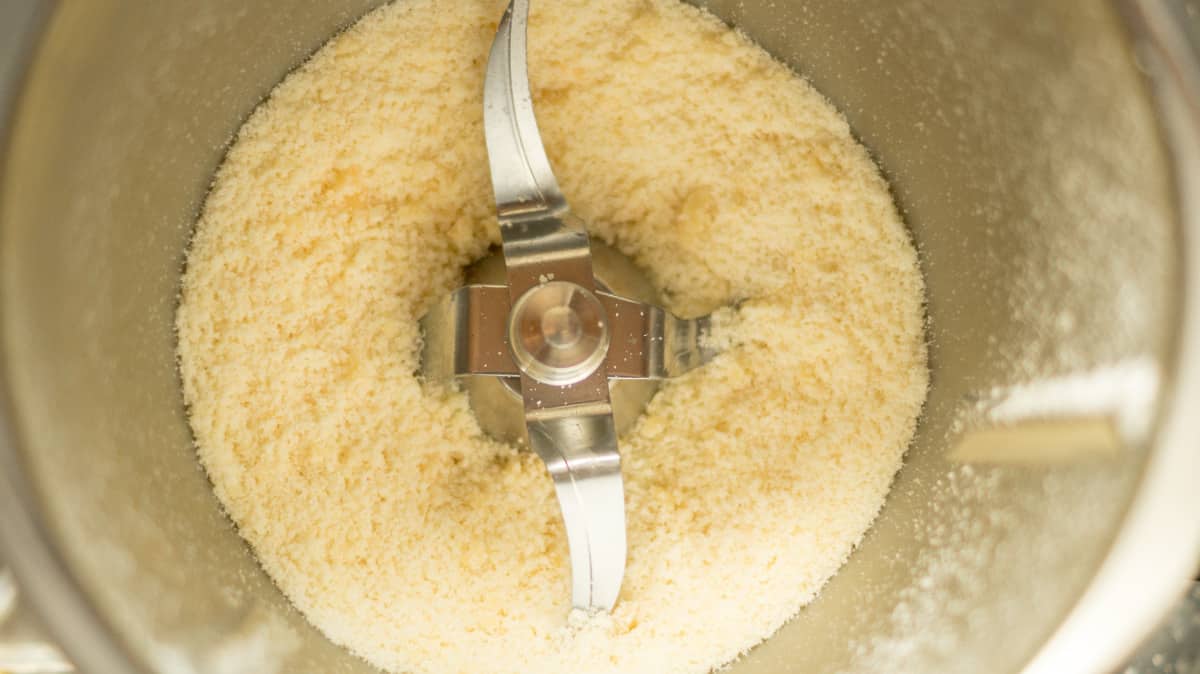
We pulverise the Parmesan beforehand at speed 8 for 10 seconds. This gives a fine consistency and prevents lumps in the sauce.
Reverse direction prevents mushy pasta
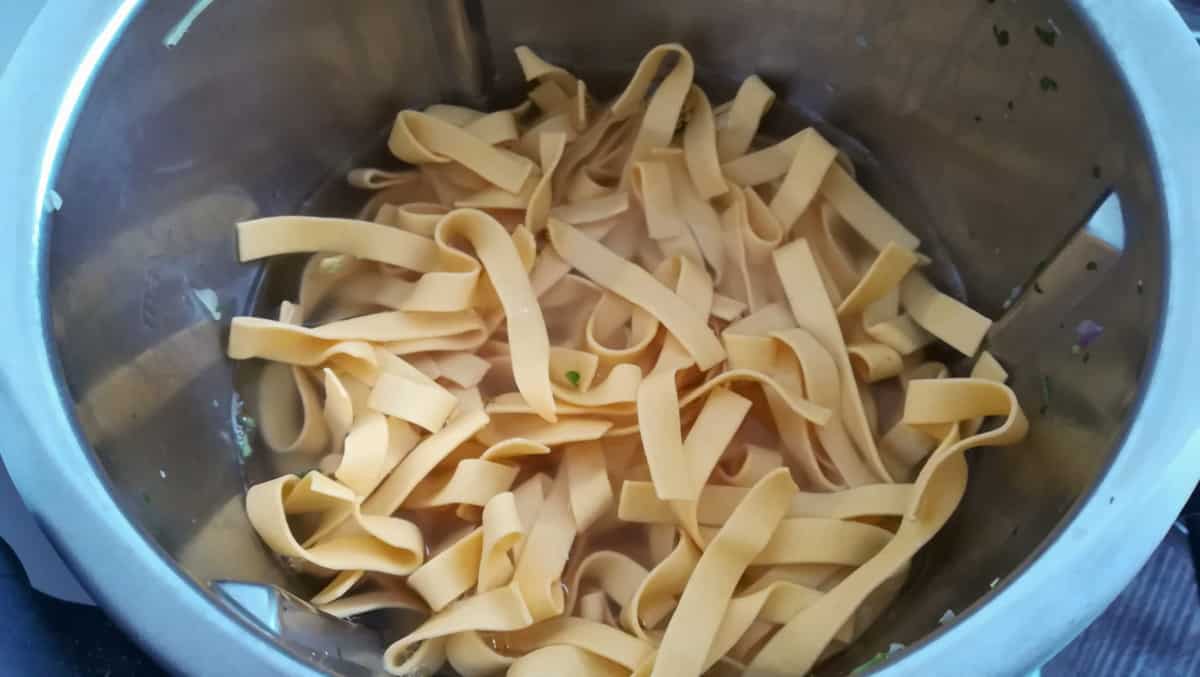
The 400 g of tagliatelle cooks in 10 minutes at 100 °C on the gentle stir setting with reverse direction. Reverse direction is essential, because without it the blades would chop the pasta.
The gentle stir setting keeps the pasta from sticking. Less movement would let it settle on the base. More movement would damage it. The 400 g of vegetable stock is sufficient because the pasta releases starch during cooking and thickens the liquid.
Important: add the pasta only after the first 10 minutes, once the cheese base is already hot. Cold sauce would extend the cooking time and water down the consistency.
Dill fresh, never cooked
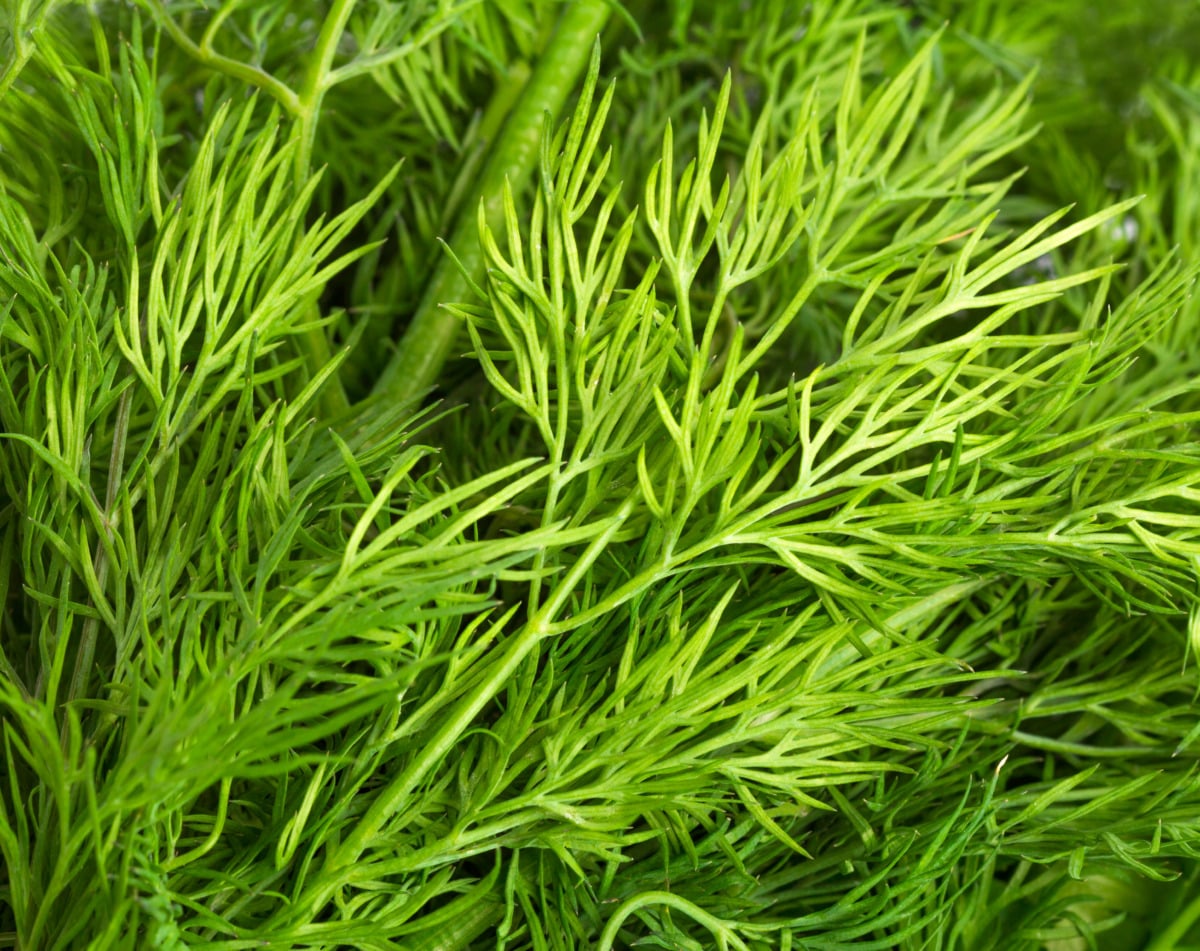
The half bunch of dill goes into the bowl only after cooking. Heat destroys the essential oils in dill that are responsible for its aroma. Cooked dill tastes of nothing.
We pick the fronds while the pasta cooks. The stalks are too coarse and bitter. The fronds are simply washed and shaken dry, not chopped. Chopping would make the dill mushy and cost it even more aroma.
Crème fraîche only at the end
We fold the 150 g of crème fraîche in the bowl, not in the mixing bowl. Crème fraîche contains 30 to 40 percent fat and would lose its structure at 100 °C. The result would be a sauce that is too thin.
Away from the heat, the crème fraîche stays thick and gives the sauce a velvety consistency. It cools the pasta slightly so we can serve it straight away without burning our mouths.
Pasta variations
Tagliatelle are ideal because they absorb a lot of sauce. But other pasta shapes work just as well:
- Penne: Same cooking time, more bite.
- Spirelli: The sauce collects in the spirals.
- Fusilli: Similar to spirelli, more surface area.
- Farfalle: Need 1 to 2 minutes longer.
Important: wholemeal pasta needs 2 to 3 minutes more cooking time and absorbs more liquid. Add an extra 100 g of vegetable stock in that case.
Serve without delay
The dish is served immediately after folding everything together. The pasta cools quickly and the crème fraîche becomes runnier at room temperature. Waiting more than 5 minutes will leave you with a watery sauce.
Leftovers keep in the fridge for 2 days. Reheat in the microwave at 600 W for 2 to 3 minutes. Do not reheat in the Thermomix®, as the salmon would dry out.
Goes well with: Ciabatta and Parmesan.
More salmon recipes: One-Pot Salmon Pasta with the Thermomix®, Spaghetti with Smoked Salmon and Creamy Spinach Sauce, Salmon with Broccoli and Rice.