Avocado bread spread with the Thermomix® is ready in 10 minutes and makes 4 servings. The flesh of 2 ripe avocados goes into the mixing bowl first, then the juice of half a lime, 200 g drained chickpeas and 1 tsp peanut butter. Blend everything together for 25 seconds at speed 4, then season with salt, pepper and chilli flakes and blend once more for 10 seconds at speed 4. The result is a fully vegan spread with just 86 kcal per serving that stays on the bread rather than running off.
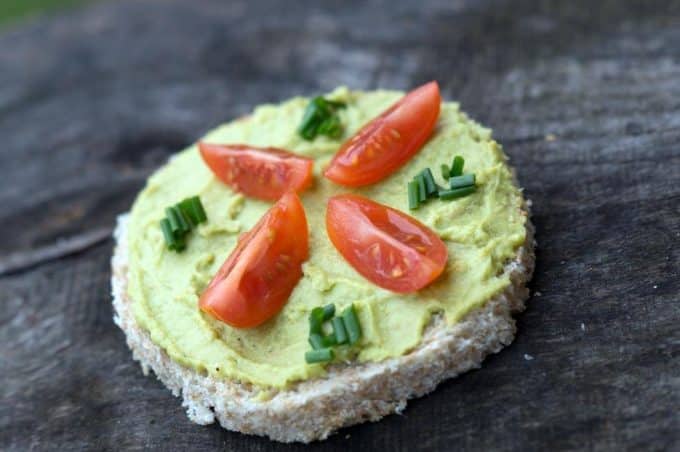
Our avocado spread is not made from avocado alone. We blend in 200 g of soaked chickpeas, and for a concrete reason: pure avocado becomes too greasy on bread and slides around when you try to spread it. The blended chickpeas give the spread body, make it spreadable and extend the avocado without masking the flavour. The result is a spread that sits on the bread like a creamy layer, not like mushy avocado pulp.
We have been making this spread regularly for years, especially on mornings when we want something filling on the bread quickly. Two ripe avocados, half a lime, 200 g chickpeas, a tsp of peanut butter, a little salt, pepper and chilli flakes. That is all it takes. In the Thermomix® the spread is ready in ten minutes, because we do not need to blend by hand and the chickpeas turn creamy alongside the avocado.
Avocado Spread with the Thermomix®
Ingredients 0 / 7 ✓
- 2 piece avocado
- 1/2 piece lime
- 200 g chickpeas soaked, drained
- 1 tsp peanut butter
- 1/2 tsp salt
- 2 pinches black pepper
- 1/2 tsp chilli flakes
Instructions 0 / 3
-
1
Prepare the avocado.
Scoop out the avocado flesh and place it in the mixing bowl.
-
2
Add ingredients and blend. Squeeze the half lime, then add the juice to the mixing bowl together with the chickpeas and peanut butter. Mix for 25 sec / speed 4.
-
3
Season the spread. Season to taste with salt, pepper and chilli flakes, then mix for 10 sec / speed 4.
Video
Nutrition per serving
Why lime and not lemon
Lime juice has two jobs in this spread, and both matter. Cut avocado browns through oxidation within minutes. It is an enzyme reaction, not spoilage, but it looks unappetising. The acid from the lime juice stops this process immediately. The spread therefore stays green even after several hours in the fridge, rather than turning grey-brown.
We deliberately use lime rather than lemon, because lime juice tastes fresher and slightly more bitter. The lime flavour pairs well with avocado, as both fruits come from similar climate regions and complement each other naturally on the plate. Lemon juice works too, but tastes sharper and pushes back the avocado flavour more. If you have no lime to hand, simply use lemon and reduce the amount to one teaspoon.
What the 200 g of chickpeas do in the spread
The chickpeas are the trick that sets this spread apart from a plain guacamole. Pure avocado is too soft for bread. It runs, presses into the bread, and after half an hour in a packed lunch you have a greasy patch in the crumb. With 200 g of blended chickpeas the mixture becomes firmer and more stable. The spread stays on the bread without soaking through. At the same time the chickpeas noticeably raise the protein content: 5 g of protein per serving, which makes the spread a proper breakfast rather than just a side.
Important: the chickpeas must be soaked overnight and then cooked, or used from a jar. Dried chickpeas cannot be blended to a creamy consistency even in the Thermomix®, because they have not absorbed any moisture. We usually use jarred chickpeas, because that saves an entire step. Rinse them before blending so that the salty brine does not affect the flavour. 200 g of drained chickpeas gives exactly the quantity needed to support two avocados in consistency, without the spread tasting of hummus.
Peanut butter as hidden depth of flavour
One teaspoon of peanut butter sounds like very little, but it makes the decisive difference to the flavour. The peanut butter brings a toasted, slightly sweet note to the spread that you do not actually taste as peanut in the finished product. It binds the fatty avocado with the starchy chickpeas and gives the whole thing a depth that would be missing without it.
We use unsweetened peanut butter, preferably the kind with just one ingredient (roasted peanuts). Sweet peanut butter from the supermarket contains sugar and makes the spread sticky. If you do not like peanut butter, replace it with a teaspoon of tahini (sesame paste). That works equally well in terms of flavour and is the version we make more often in summer.
How to nail the spread in two blending steps
The order of ingredients in the Thermomix® matters, because we do not want to pulverise the avocado. The avocado flesh goes into the mixing bowl first. We then pour the freshly squeezed lime juice directly onto the avocado so that the acid acts immediately. Only after that do the 200 g chickpeas and 1 tsp peanut butter go in, and everything is blended together for 25 seconds at speed 4.
Speed 4 is the right choice here. Higher and we would pulverise the avocado; lower and the chickpeas would not break down. The 25 seconds come from experience: long enough for the chickpeas to turn creamy, short enough that the spread does not become too smooth and bland. We like it when you can still make out a little texture. Finally, 1/2 tsp salt, 2 pinches of black pepper and 1/2 tsp chilli flakes go in, another 10 seconds at speed 4, and the spread is ready. Unlike recipes that use reverse direction, we use normal direction here, because the firm chickpeas need to be actively chopped down.
Vegan and 86 kcal: the difference from ricotta-based spreads
Most avocado spreads for the Thermomix® rely on a dairy base. Common recipes blend avocado with 250 g Ricotta or with cream cheese and creme fraiche. That tastes creamy, but has two drawbacks: the spread comes in at around 300 kcal per serving and is no longer vegan. Our chickpea version comes to 86 kcal per serving, stays plant-based and still delivers protein.
The swap works because the chickpeas take over the creamy binding that the dairy would otherwise provide. If you want something richer, you can replace one tablespoon of chickpeas with one tablespoon of cream cheese, but then the spread is no longer vegan. We stick with the plant-based version, because it sits more lightly in the stomach in the morning and pairs better with hot drinks.
The most common pitfalls
The avocado is too firm
A firm avocado cannot be blended to a creamy texture. It stays lumpy no matter how long you blend. Ripe avocados give slightly under gentle thumb pressure at the stem end. If you buy unripe fruit, place them in a paper bag with an apple for two to three days. Our solution: The apple releases ethylene and the avocado ripens faster. Even half-ripe avocados do not work well here as the spread will turn grainy.
The spread turns brown in the fridge
If the lime is used too sparingly, the surface of the spread turns grey. Our solution: Use the juice of a full half lime, not just a tiny squeeze. In addition, press the finished spread into a small bowl and cover the surface directly with cling film so that no air reaches it. This keeps it fresh for two days without discolouration.
The spread tastes bland
Avocado is naturally mild in flavour. Tasting the spread on its own, you may quickly feel something is missing. Our solution: Try the spread on a piece of bread or a cracker, not straight from the spoon. The flavour comes through properly on a neutral base. If it still tastes bland, the salt is usually lacking or the chilli flakes have been used too sparingly. Adjust both and taste again.
The spread turns too firm or too dry
Depending on the variety, some chickpeas are starchier than others and absorb more moisture. The mixture can then turn firmer than we like. Our solution: Add a tablespoon of water or the remaining lime juice and blend again for 5 seconds at speed 4. Add liquid drop by drop rather than all at once, otherwise the spread becomes too runny to spread.
Variations we make often
With garlic: Add one small garlic clove to the mixing bowl before the avocado and chop for 5 seconds at speed 7. Then continue as normal. This brings a sharper note that we particularly like in the evenings.
With coriander: Blend half a bunch of fresh coriander in along with the chickpeas. The spread takes on an almost guacamole character and goes very well with tortilla chips.
With toasted pumpkin seeds: Toast two tablespoons of pumpkin seeds in a dry frying pan and scatter them over the finished spread after blending. Adds crunch and a nutty aroma.
With sun-dried tomatoes: Fold in 30 g of sun-dried tomatoes in oil, drained and finely chopped, after blending. A Mediterranean variation for a summery bread platter.
Tahini version: Use one teaspoon of tahini (sesame paste) instead of peanut butter. The spread takes on a nuttier sesame note and becomes slightly more bitter, which pairs especially well with tomato bread in summer.
Bread, crackers and accompaniments
On fresh farmhouse bread with a few cherry tomatoes on top, this spread has the most flavour for us. In a brunch setting we often make several spreads together. A classic green herb dip with cream cheese and fresh herbs is a nice complement, as it is mild and creamy. For something more vegetable-forward, a broccoli salad adds bite alongside the soft spread. For tortilla chips or nachos, we have a separate guacamole recipe that is sharper and more lemony than this spread. If you prefer to serve it with freshly baked bread, soft Thermomix® rolls make the perfect base.
2 days in the fridge, cannot be frozen
The spread keeps in the fridge for two days if the surface is covered with cling film. Without the film, air reaches the surface and the spread discolours to grey, although it still tastes fine. Freezing unfortunately does not work. Avocado puree becomes watery on thawing and loses its creamy texture. We therefore always make the spread fresh and in a quantity we can use up in one or two days. Two avocados gives us two breakfasts for two people.
Frequently asked questions about avocado bread spread
Goes well with: Baguette and wraps.
If you are looking for more green spreads and brunch ideas with the Thermomix®, take a look at our broccoli salad, our green herb dip and our guacamole.