Wild garlic potato rolls made with the Thermomix® need two proving times. The first is essential for the potato and yeast to bond, the second shapes the spirals in the muffin tin. Without both, the rolls come out flat and dense.
We have been baking these rolls every wild garlic season for years. The combination of floury potatoes and yeast dough gives a soft, moist crumb. The wild garlic and pine nut butter sits as a spiral inside each roll and delivers an intense spring flavour.
Wild Garlic Potato Rolls with the Thermomix®

Ingredients 0 / 10 ✓
- 800 g water
- 300 g potato
- 1/2 cube fresh yeast
- 1 tsp salt
- 90 g buttermilk
- 350 g flour plus a little extra for dusting
- 30 g pine nuts
- 100 g wild garlic leaves fresh
- 100 g butter soft, plus a little extra for greasing
- 1 egg
Instructions 0 / 10
-
1
Cook the potatoes.
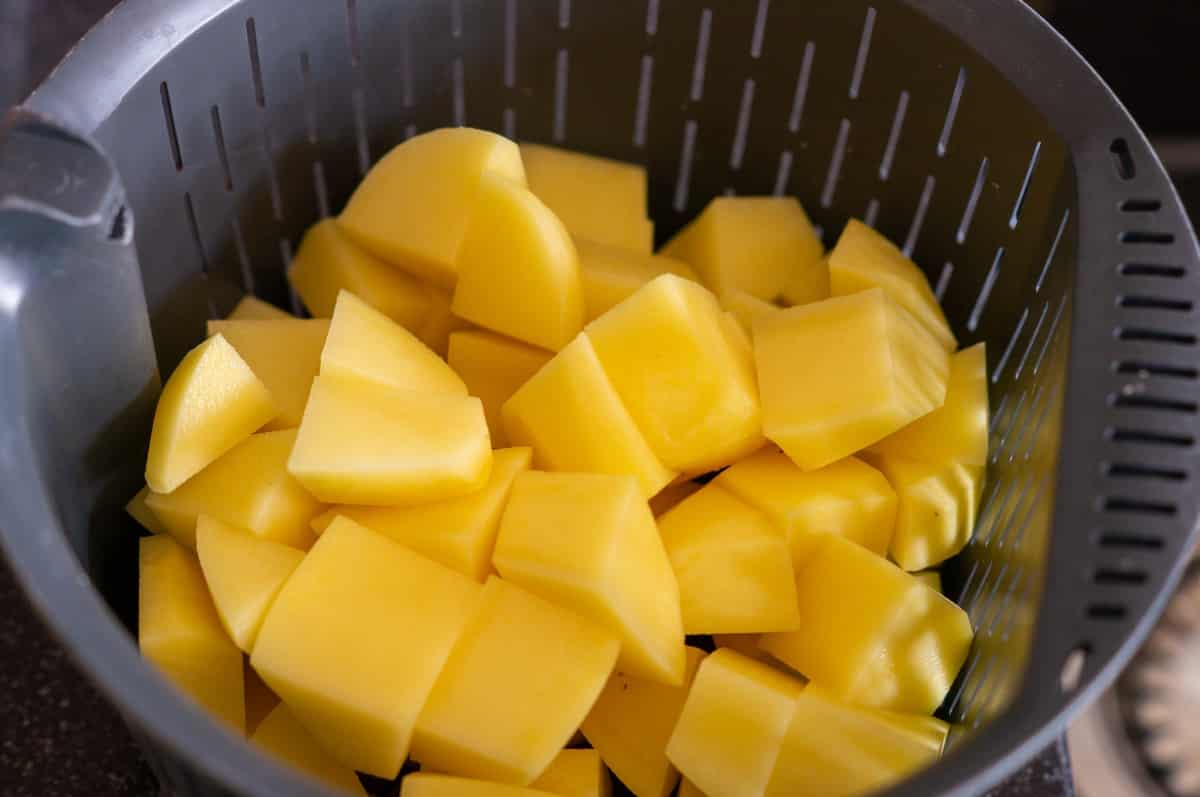
Add water to the mixing bowl. Peel the potatoes, cut into pieces and place in the steaming basket, then cook for 15 min / Varoma / speed 1. Remove the steaming basket and leave the potatoes to cool. Empty the mixing bowl.
-
2
Warm the yeast.
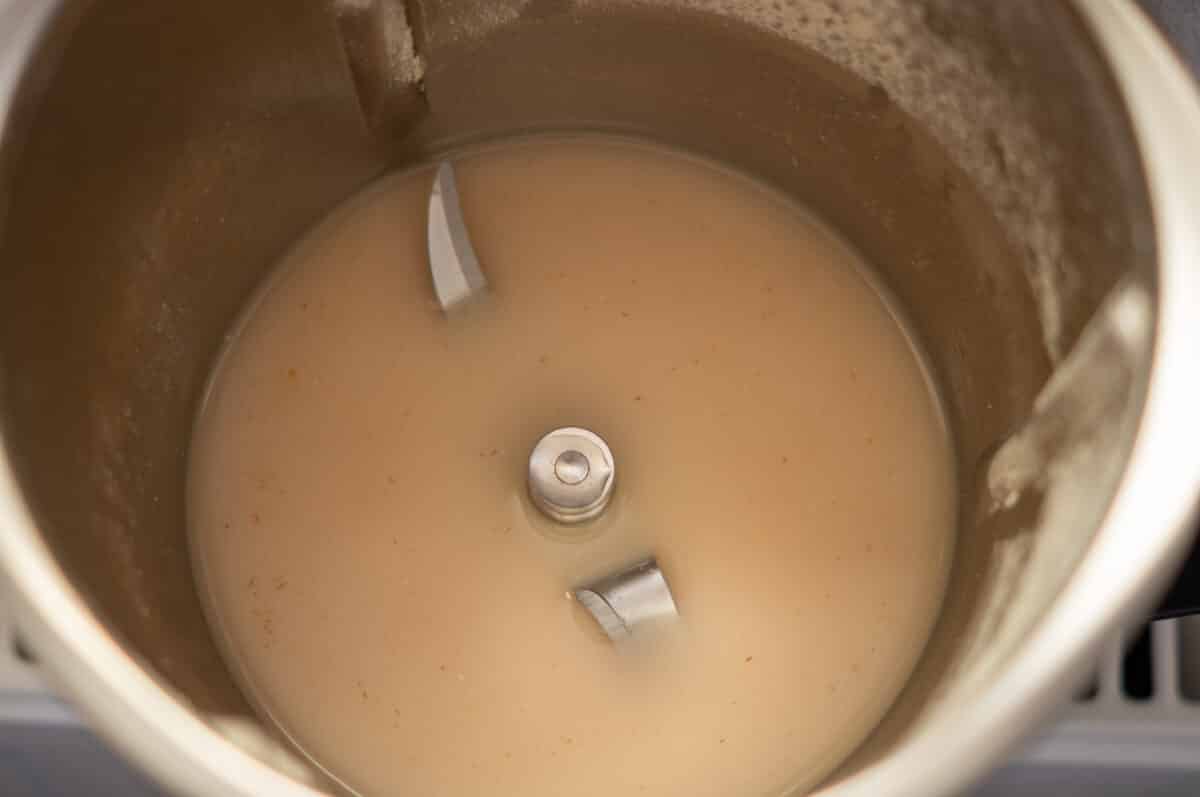
Add yeast with 1/2 tsp salt and buttermilk to the mixing bowl and warm for 3 min / 37°C / speed 1.
-
3
Prove the dough.
Add the potatoes and flour and knead for 4 min / kneading mode. Transfer the dough to a floured bowl, cover and leave to rise in a warm place for approx. 1 hour. Rinse the mixing bowl.
-
4
Toast the pine nuts.
Toast the pine nuts in a dry frying pan until pale golden, then leave to cool. Roughly chop the wild garlic, add to the mixing bowl along with the pine nuts and chop for 8 sec / speed 8.
-
5
Mix in the butter.
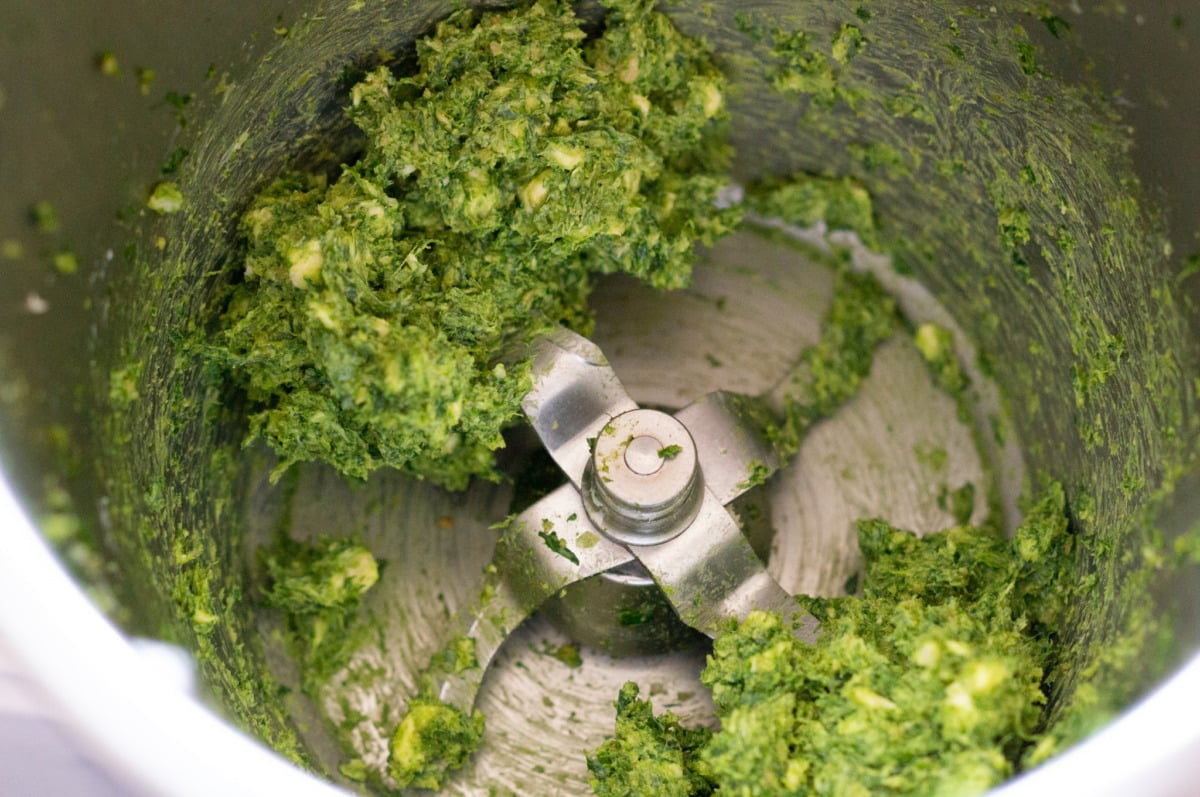
Add butter and 1/2 tsp salt and mix for 10 sec / speed 4.
-
6
Roll out the dough.
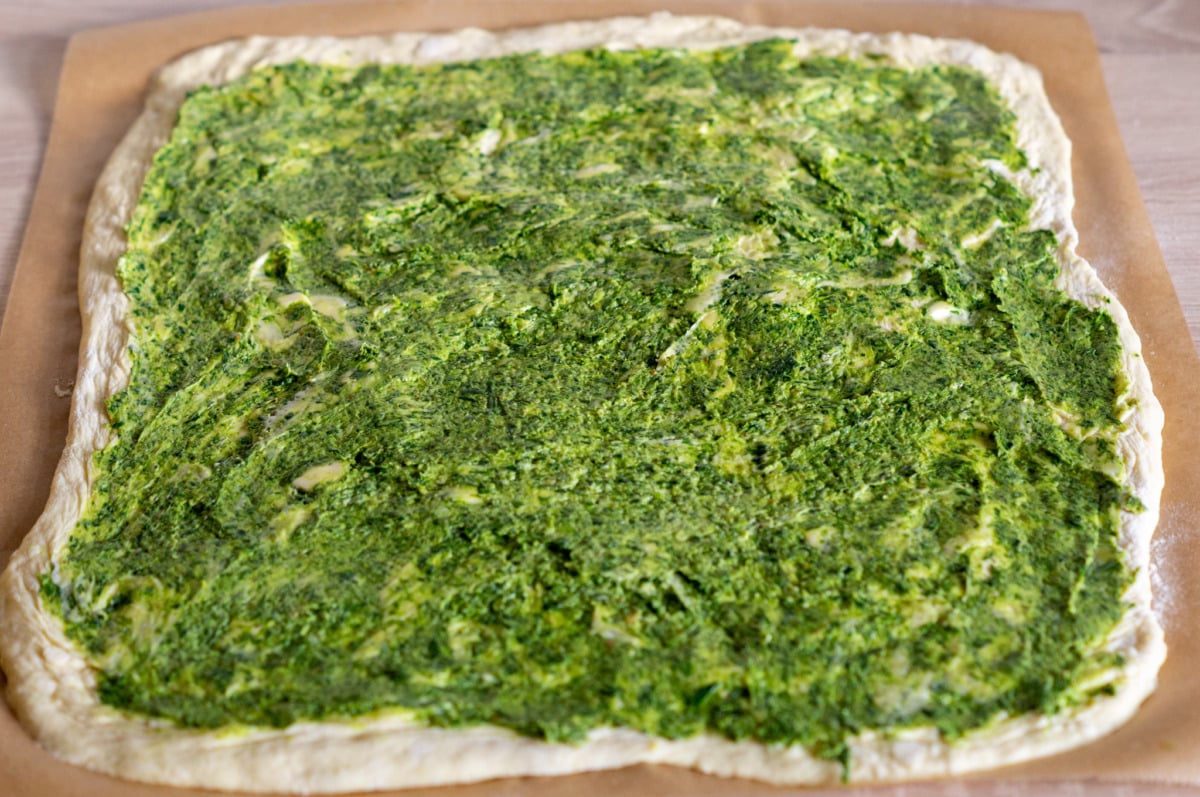
Roll out the dough on floured baking paper and spread with the wild garlic butter, leaving a border of approx. 1 cm all round.
-
7
Divide the dough.
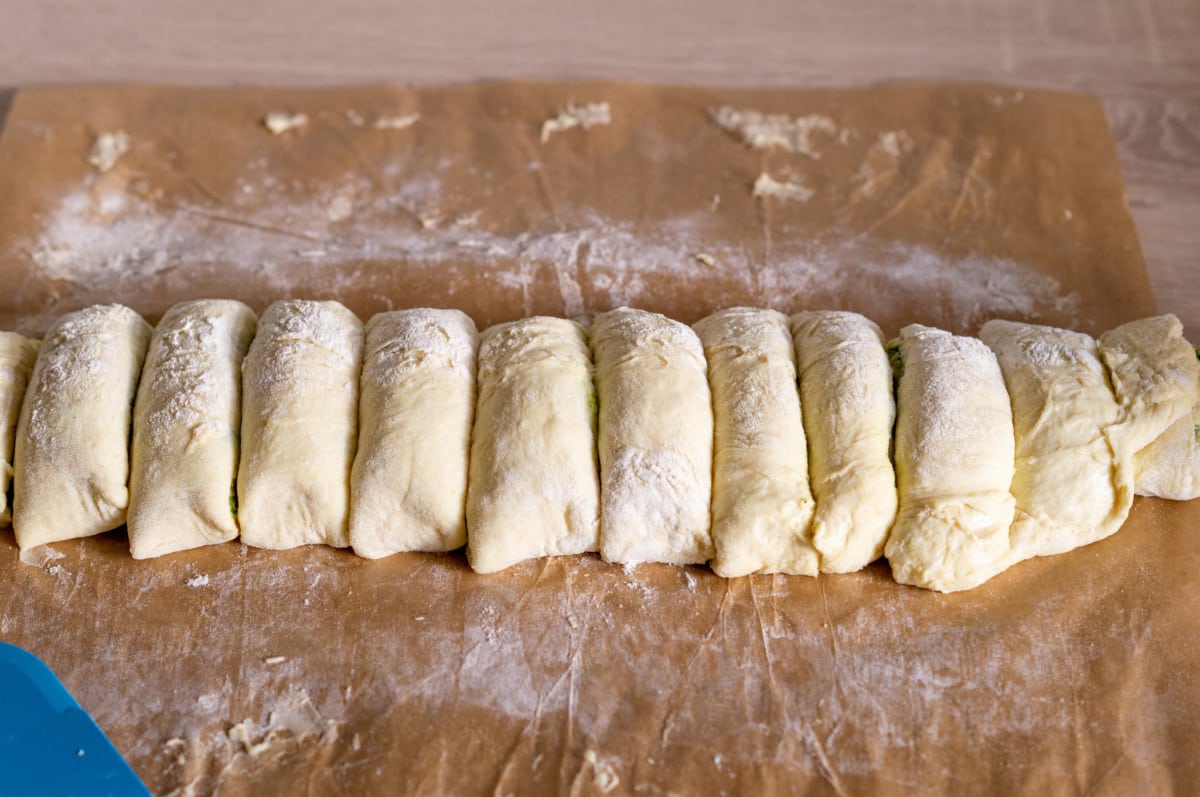
Roll the dough up tightly from the long side, cut in half and divide each half into six slices.
-
8
Shape the rolls.
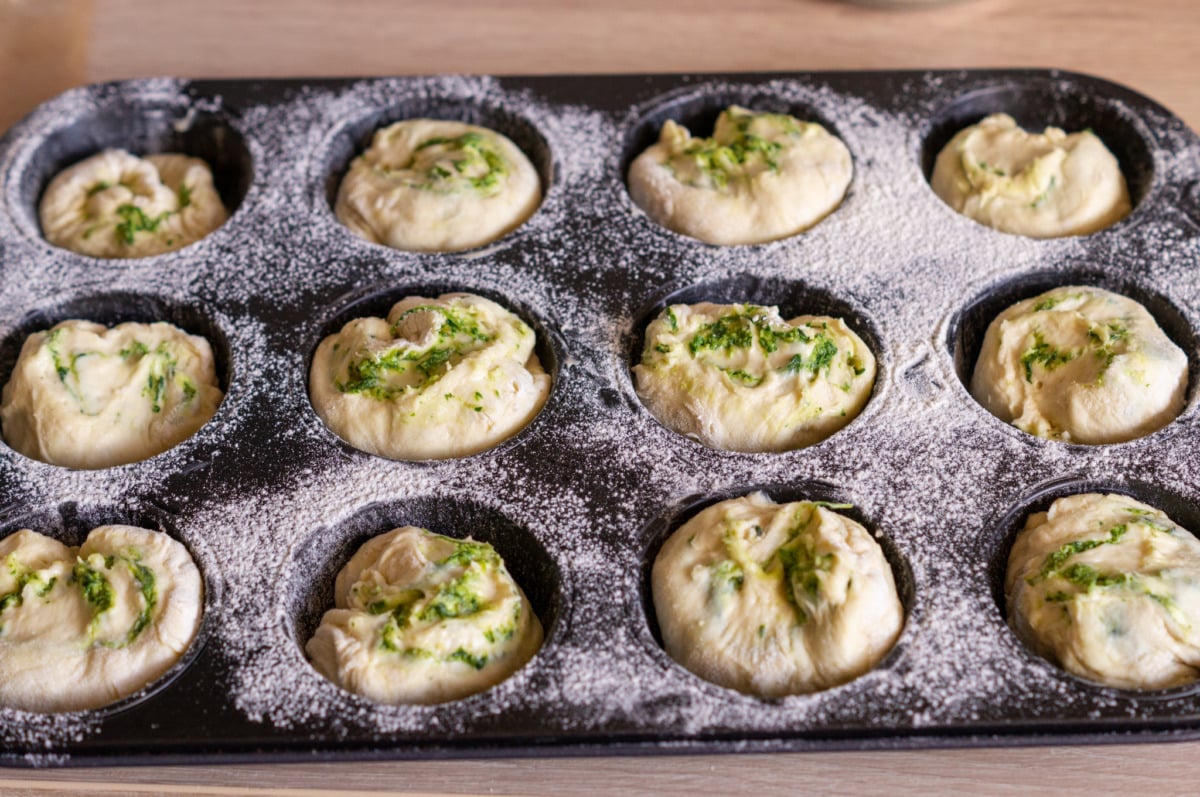
Grease a 12-hole muffin tin with butter, dust with flour and place one slice of dough in each hole. Cover and leave to prove for 15 minutes.
Preheat the oven to 180°C top and bottom heat.
-
9
Brush the rolls.
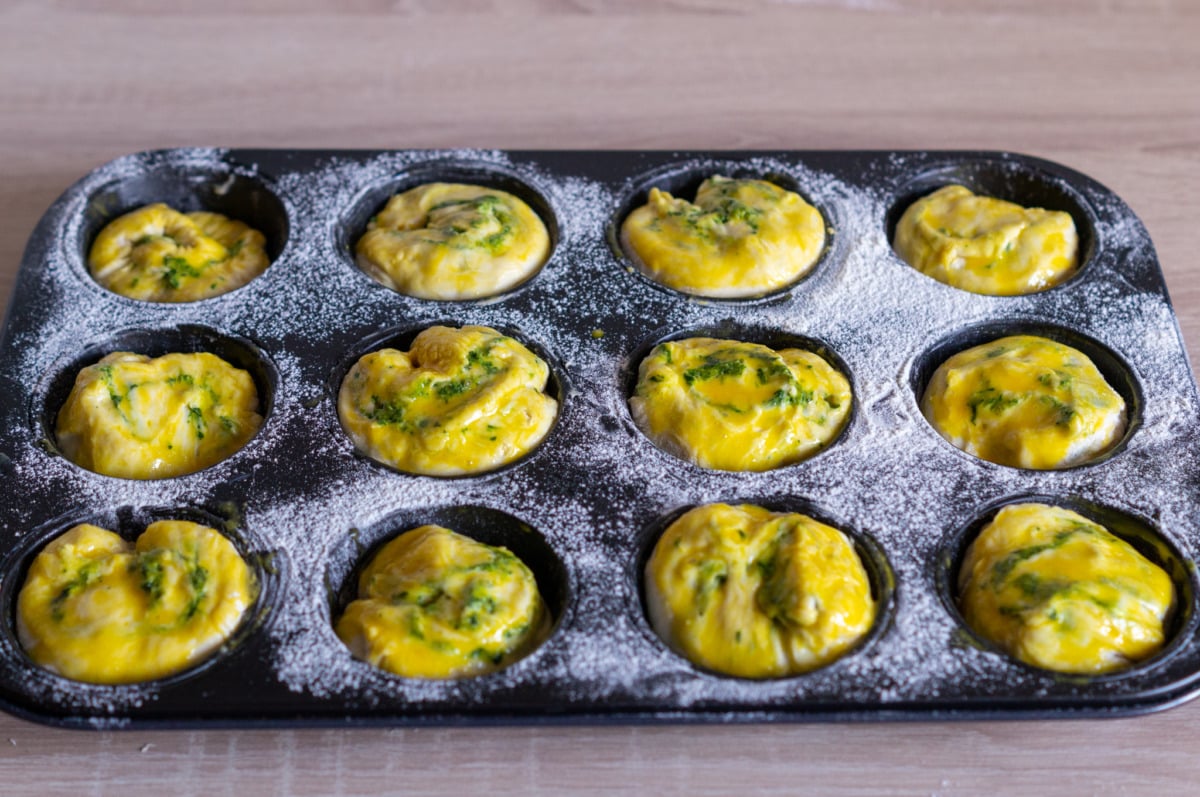
Beat the egg in a cup and brush the rolls with it.
-
10
Bake the rolls.
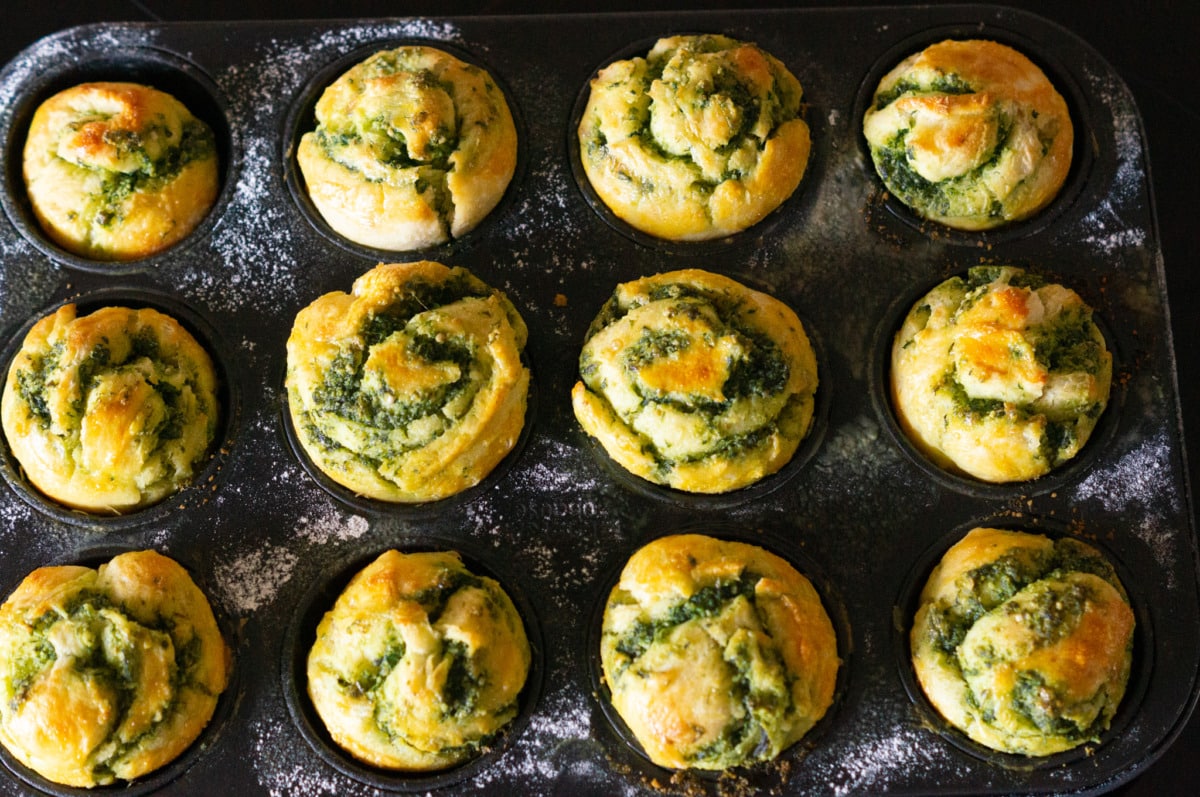
Bake the rolls on the middle shelf for approx. 35 to 40 minutes, until the edges are crisp and lightly browned.
Tip: If you make these rolls fresh, serve them while still warm. They are also great once cooled.
Video
Nutrition per serving
Why potatoes change the texture of yeast dough
The 300 g of potatoes are cooked, cooled and then kneaded into the yeast dough. Potatoes bring starch and moisture to the dough. This makes the rolls softer than plain wheat rolls and keeps them fresher for longer. Floury potatoes are important because they break down during kneading and distribute evenly. Waxy potatoes stay in chunks inside the dough.
The buttermilk activates the yeast at 37°C. This temperature is key: too low and the yeast stays sluggish, too high and it dies. After kneading, the dough needs one hour to prove. During this time the potato starch and gluten bind together, making the dough elastic. Without this proving time the dough stays brittle and tears when you roll it out.
Toasting pine nuts releases their essential oils
The 30 g of pine nuts are toasted in a dry pan until pale golden. Toasting transforms their flavour: raw they taste mild and slightly buttery, toasted they develop a nutty depth. This comes from the essential oils that open up with heat. Toast them too dark and they turn bitter.
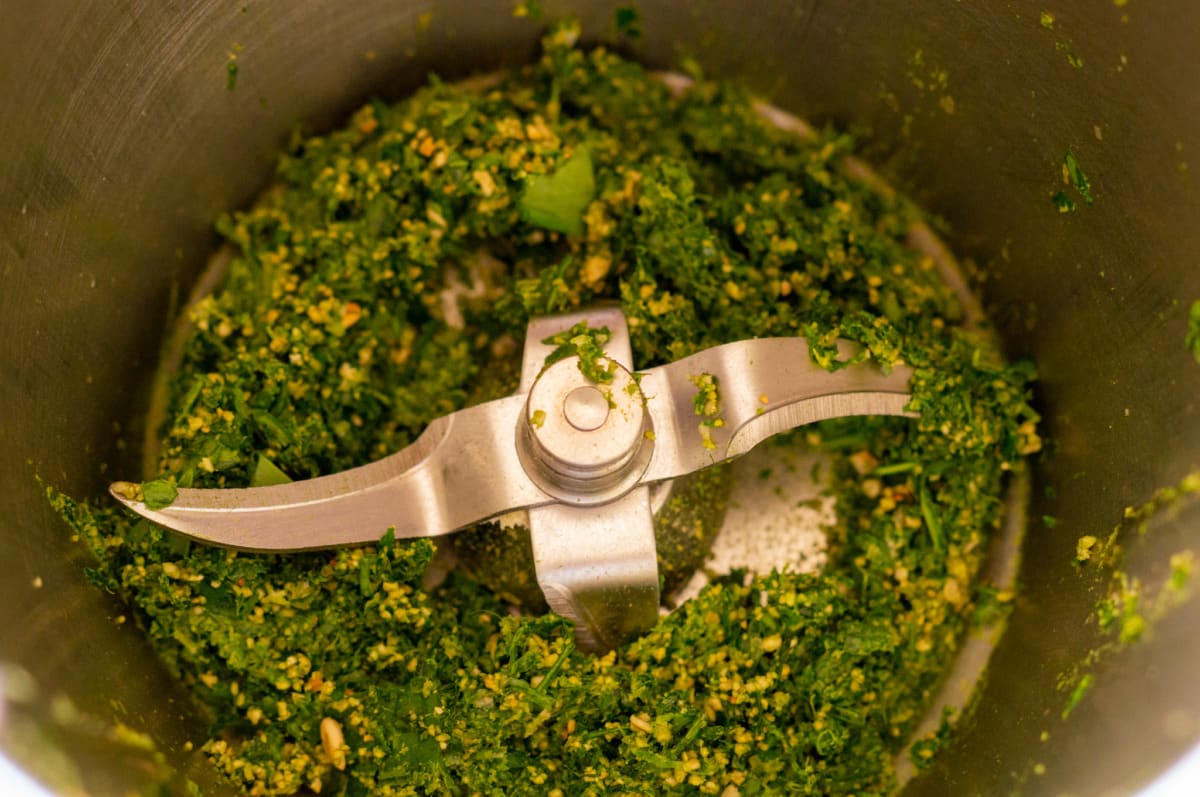
The 100 g of wild garlic leaves are roughly chopped and added to the mixing bowl with the toasted pine nuts, then blended at speed 8 for 8 seconds. This short time matters: longer and the wild garlic turns to paste, shorter and the pine nuts stay coarse. The soft butter binds everything into a spreadable mixture.
The spiral forms when you roll up the dough
The dough is rolled out on floured baking paper. The wild garlic butter is spread evenly, leaving a one-centimetre border free. That border is important, otherwise the butter runs out when you roll the dough. The dough is rolled up tightly from the long side, cut in half and each half sliced into six pieces.
Each slice shows the spiral in cross-section. The muffin tin gives the rolls their round shape. The second proving time of 15 minutes lets the dough rise in the tin. Without this second prove the rolls stay flat and the spiral stays compressed. The beaten egg brushed on the surface gives them their golden-brown colour when baking.
Baking temperature and crust
At 180°C top and bottom heat the rolls bake for 35 to 40 minutes. The middle shelf matters: too low and the base gets too dark, too high and the top stays pale. The edges become crisp and lightly browned while the centre stays soft. When you lift them straight from the oven, the wild garlic butter still steams slightly.
Serving and storing
The rolls taste best warm, while the butter is still melted. Once cooled they are still good, and the texture stays moist thanks to the potatoes. You can keep them at room temperature for two days or freeze them. To reheat, pop them in the oven at 150°C for a few minutes.
Goes well with: butter and tomato soup.
More wild garlic recipes: wild garlic cream, wild garlic pesto, wild garlic paste, wild garlic oil.