Naan bread with the Thermomix® only works with precise yeast preparation: activating it for 3 minutes at exactly 37°C wakes the yeast without killing it. Too hot and the yeast dies, too cold and the dough stays flat. We have been making naan for years and the difference between properly activated yeast and yeast simply stirred in is immediately visible in the texture.
The recipe originally comes from northern India, where it is served alongside curries and dips. Naan has become a staple at every barbecue we host. The dough takes 5 minutes in the Thermomix®, 1 hour to rest and then 20 minutes in a pan or on the grill. The result is 4 soft, slightly puffed flatbreads with a garlicky, herby surface.
Naan Bread with the Thermomix®

Ingredients 0 / 12 ✓
- 150 g milk
- 1/2 cube yeast (fresh)
- 10 g sugar
- 500 g plain flour (Type 405)
- 20 g olive oil
- 1 egg
- 170 g yoghurt
- 1 tsp salt
- 1/2 tsp baking powder
- 50 g olive oil
- 1 garlic clove
- 1/4 bunch parsley
Instructions 0 / 5
-
1
Activate the yeast.
Place milk, yeast and sugar into the mixing bowl and heat for 3 minutes / 37°C / speed 2.
-
2
Knead the dough.
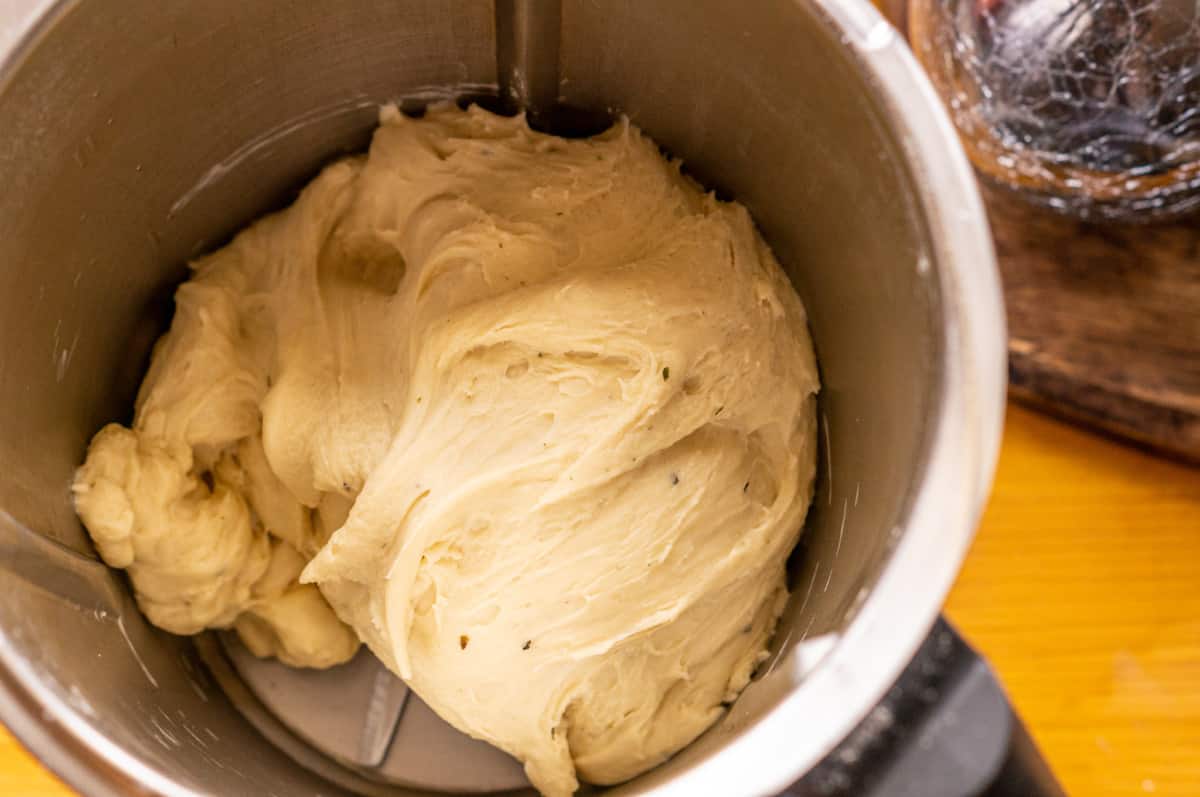
Add the remaining dough ingredients, knead for 3 minutes / kneading mode, transfer to a bowl and leave covered in a warm place for 1 hour to rise.
-
3
Blend the garlic and oil.
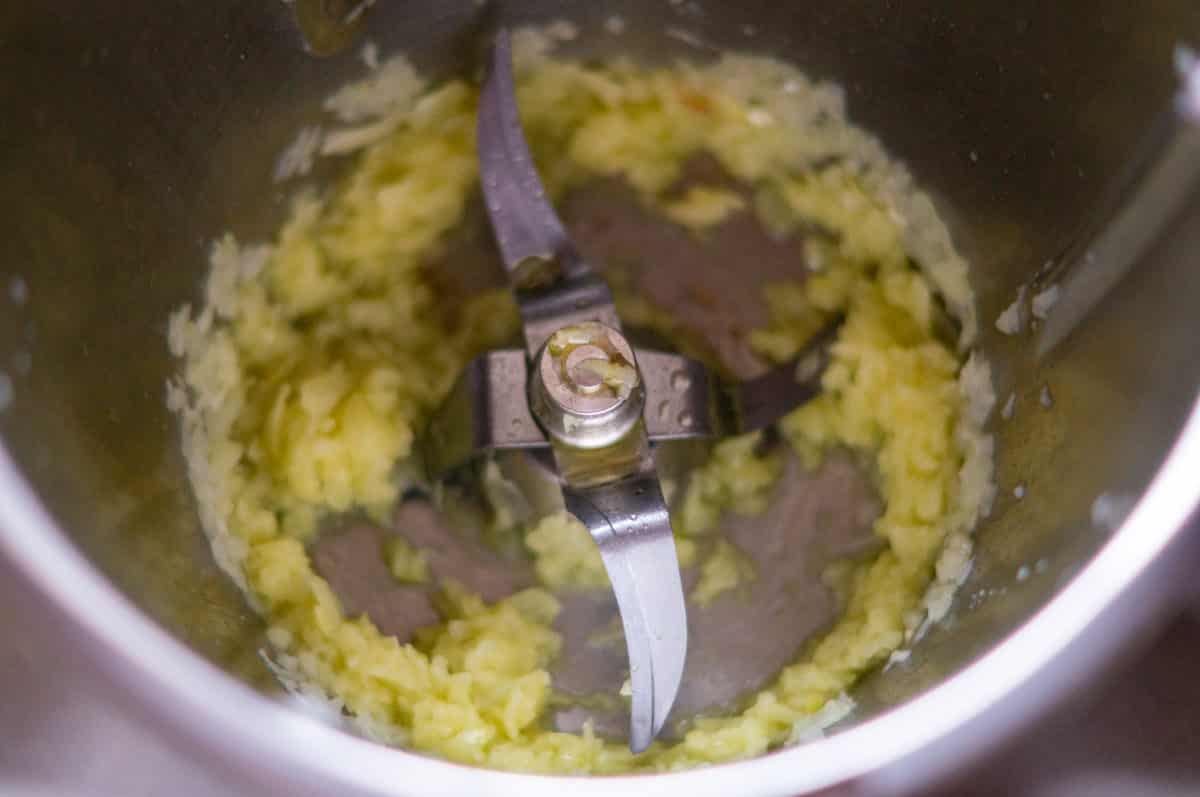
Meanwhile, peel the garlic, place in the mixing bowl with the oil and blend for 8 seconds / speed 8.
-
4
Prepare the parsley.
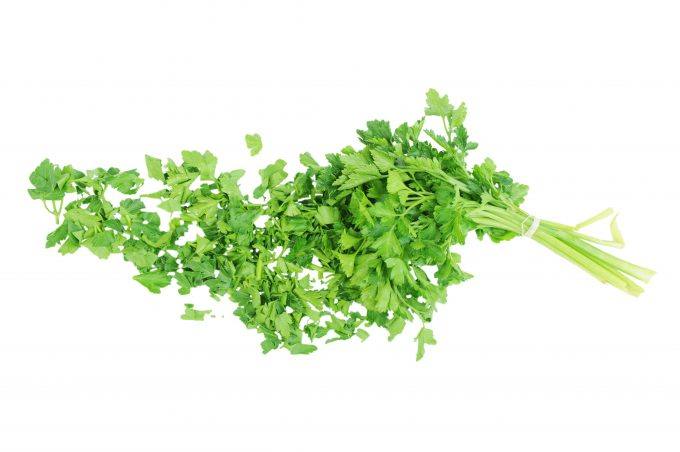
Wash the parsley, shake dry and pick off the leaves.
-
5
Cook the naan bread.
Shape the dough into 4 flatbreads, spread the oil over them and cook on the grill or in a frying pan over medium heat on both sides.
Tip: You can also flavour your naan bread with coriander or other herbs and spices.
Video
Nutrition per serving
Why 37°C is the critical threshold
Yeast only works at its best within a narrow temperature range. Below 30°C it stays sluggish, above 42°C it dies. The Thermomix® holds a steady 37°C at speed 2 while the milk, yeast and sugar combine. This is not a recommendation but a biochemical necessity: the yeast needs the sugar as its first food and the warmth as an activation signal.
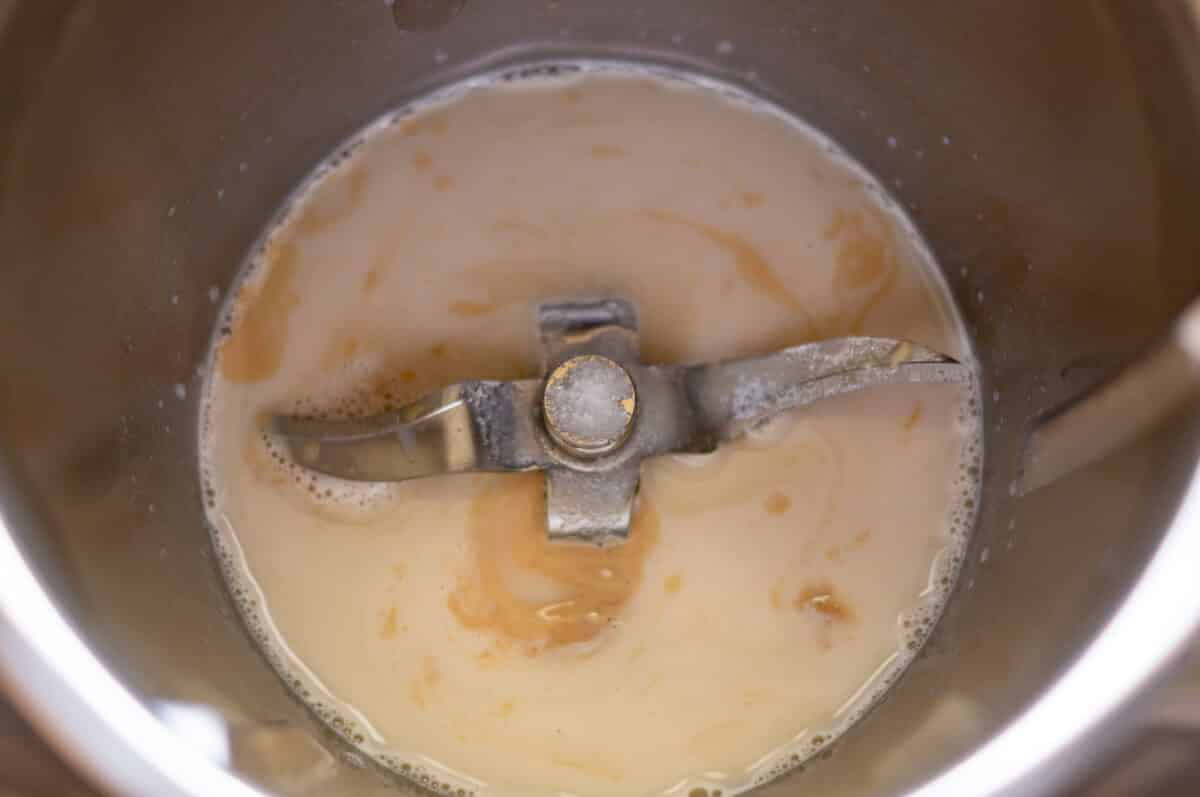
We tried the recipe at first with cold milk, adding the yeast straight to the flour. The dough did rise, but more slowly and less vigorously. The flatbreads came out flatter and firmer. Since we added the 3-minute activation step, the dough rises noticeably in the bowl and the finished breads develop those characteristic air pockets.
Yoghurt makes naan bread elastic
The 170 g of yoghurt in the dough is not an interchangeable moisture source. Yoghurt provides lactic acid, which softens the gluten in the flour. The result is a dough that stretches without tearing. Without yoghurt the dough becomes stiffer and the flatbreads harder.
The egg stabilises the structure further. Together with the olive oil in the dough, this creates a smooth mixture that comes cleanly out of the mixing bowl after kneading mode. The dough barely sticks.
Baking powder as a safety net
The half teaspoon of baking powder is not the main leavening agent but a backup. If the yeast does not work perfectly or the resting time is too short, the baking powder provides extra lift during cooking. We keep it in anyway, even when the yeast is active, because it gives the flatbreads one more puff when they hit the hot pan.
Plan in the resting time
After kneading, the dough needs 1 hour in a warm place. Warm means room temperature or slightly above, not hot. We place the covered bowl next to a radiator or in a sunny spot. The dough should at least double in size. If it is still flat after 1 hour, either the yeast was too old or the temperature was too low.
Make the garlic oil just before cooking
While the dough rests, we blend garlic with olive oil. 8 seconds at speed 8 chops the garlic finely enough to distribute evenly through the oil without turning it into a paste. Brush the oil onto the flatbreads while they are still warm. The garlic flavours the surface without burning.
Parsley is optional. We wash the quarter bunch, shake it dry and pick off the leaves. They go straight onto the freshly brushed bread and stick in the oil. You can also use coriander or other herbs.
Medium heat for cooking
Shape the dough into 4 flatbreads. We do not roll them thin but press them with our hands to about 1 cm thick. Thinner and they become fragile, thicker and the centre stays raw. The pan or grill needs medium heat. Too hot and the surface burns before the middle is cooked through. Too cool and the dough stays pale and tough.
Around 3 to 4 minutes per side, until brown spots appear. The flatbreads puff up during cooking. That is exactly what should happen. After turning, another 3 minutes, then brush immediately with the garlic oil.
Serve warm
Naan is best straight from the pan. We stack the finished flatbreads in a clean tea towel to keep them warm. The dough firms up once cold. You can warm the breads briefly in the microwave or oven, but you will not get back the soft texture of freshly cooked naan.
Naan goes well with hummus, tzatziki, curries or grilled vegetables. We often serve it alongside chicken tikka masala or lentil curry. The bread replaces cutlery: tear off pieces and dip them in.
Short-term storage
Goes well with: Butter Chicken, Hummus and Tzatziki.
Also great with: Wholemeal Bread, Thermomix®.
Naan keeps for 1 to 2 days in a sealed container at room temperature. After that it dries out. Freezing works well. Wrap the flatbreads individually in cling film and freeze for up to 3 months. To thaw, warm briefly in a pan rather than in the microwave.
For more Indian-inspired recipes, try: Chicken Tikka Masala, Lentil Curry, Indian Curry.