Currently in season
Quinces in the Thermomix®
We have matched 2 English Thermomix® recipes with quinces. Here is the season window, buying advice and the best MixMyDay recipe links.
Seasonal calendar by month
When are quinces in season?
Harvested from September to mid November across Europe, and they do not ripen further after picking..
Outdoor crop: fresh European harvest. Protected crop: greenhouse or covered cultivation. Stored: European harvest kept in storage.
Buying and storing quinces
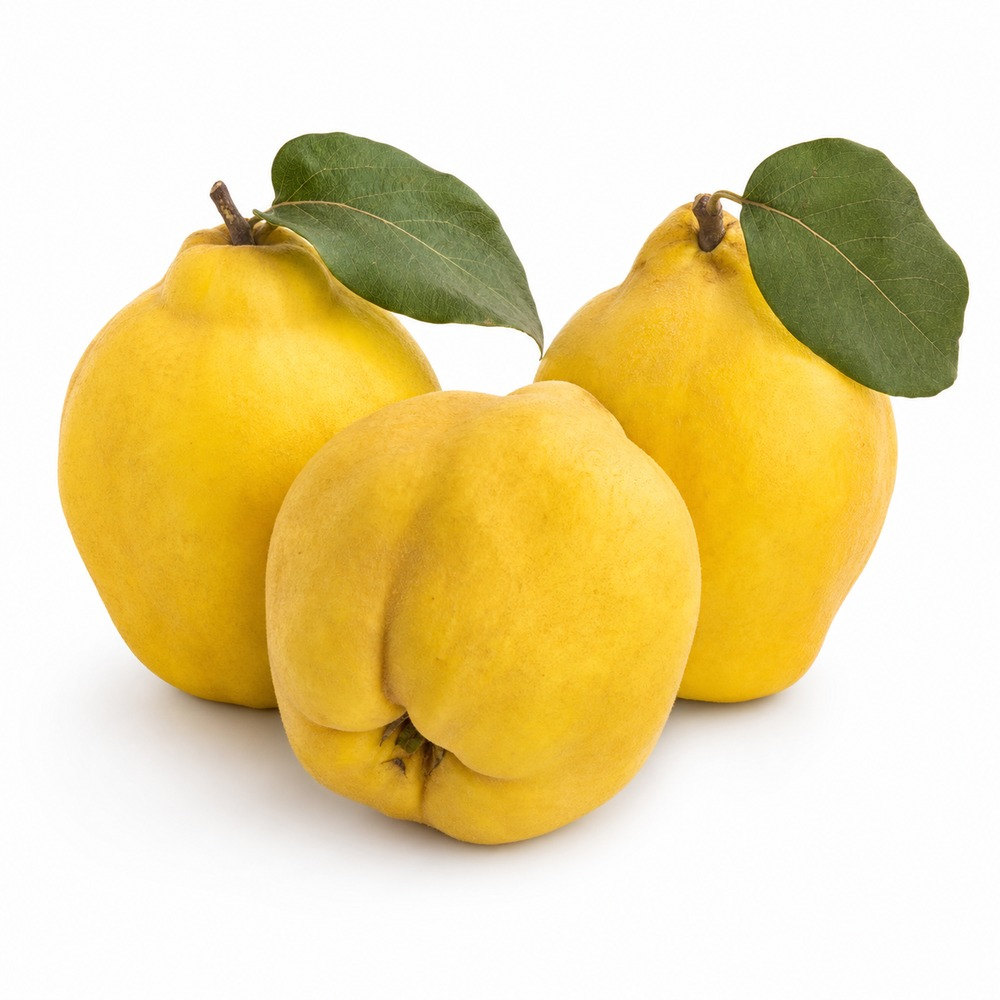
There are two main types: the apple quince (rounded, very hard, intensely fragrant, particularly rich in pectin, ideal for jelly) and the pear quince (longer, a little softer, milder in aroma, good for compote and chutney). Quinces turn up at farmers markets or fruit growers from October, but are rare in supermarkets. Ripe quinces are a bright yellow and smell strongly of quince and apricot. Greenish fruit will ripen further at home. Watch out for bruises and brown patches.
Quinces must not be stored with other foods: their powerful aroma transfers to apples, pears and even the rest of the fridge within a few days. Store them separately at around 2 °C in a dark cellar, where they keep for about two months. In a normal fridge they keep for two to three weeks. Once cut, use them straight away, because the flesh oxidises and browns quickly.
Preparing quinces in the Thermomix®
Quinces cannot be eaten raw: their high tannin content makes the raw flesh bitter and astringent. Always cook them. For quince jelly, quarter the unpeeled fruit with the core (that is where most of the pectin sits) and cook it soft in the Thermomix® with water at about 100 °C on speed 1 for 30 to 40 minutes. Let the liquid drip through a fine cloth without pressing (otherwise the jelly turns cloudy). Bring the clear juice to the boil with preserving sugar at 100 °C on the stirring setting and let it boil hard for at least 3 to 4 minutes, but no longer than 8 minutes, as the pectin breaks down beyond that.
As it cooks, the colour of the jelly changes from yellow to a bright red or orange. That is not a fault, it is exactly what you want.
The most common mistakes with quinces
- Eating quinces raw or cooking them too briefly. Raw European quinces are bitter and indigestible because of the tannins. Always cook them through completely. Only after a long enough cooking time do quinces develop their typical aroma and red colour.
- Removing the core before cooking it out. The core and the skin hold most of the natural pectin. If you remove them before cooking, you end up with a pectin poor liquid that sets badly. Only strain it after the fruit has been cooked out.
- Boiling the jelly too long or stirring it after cooking. Boiling hard for more than eight minutes destroys the pectin structure and the jelly stays runny. Vigorous stirring after cooking also stops it setting. Once the cooking time is up, pour it calmly into the jars.
All 2 Thermomix® recipes with quinces
Quinces as the main ingredient (1 recipes)
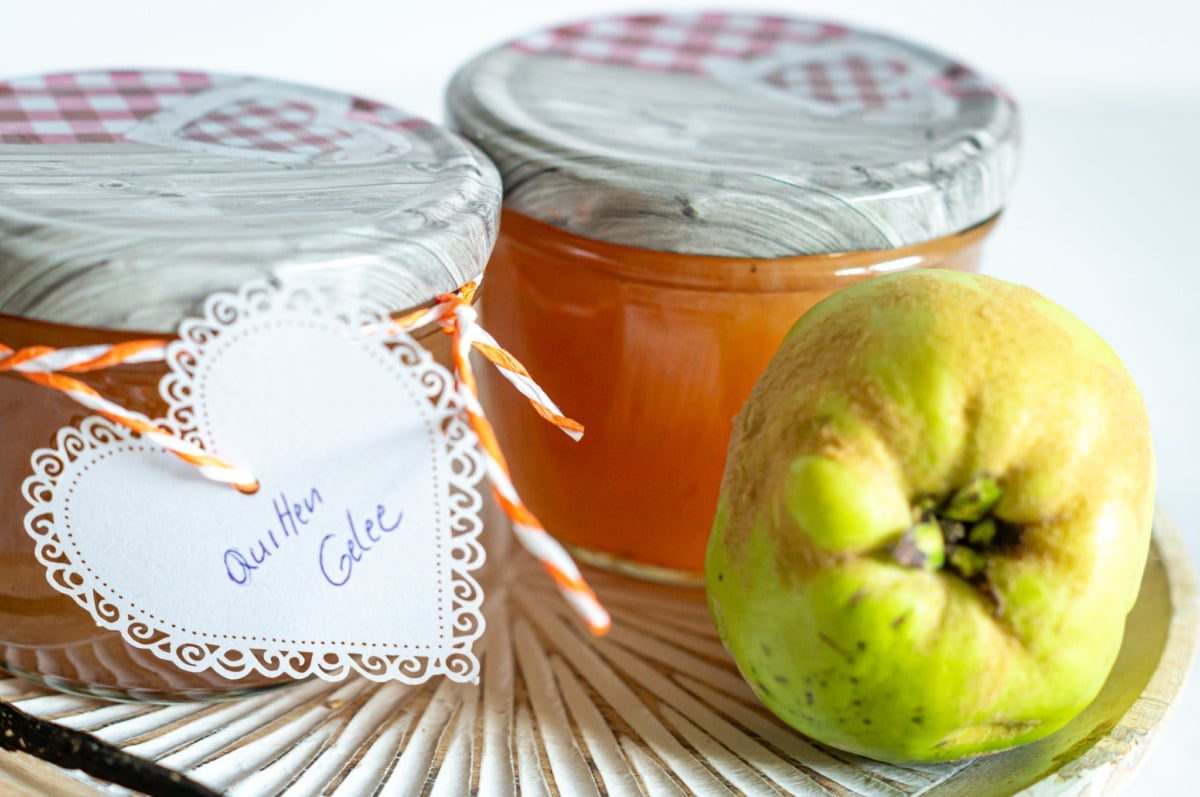
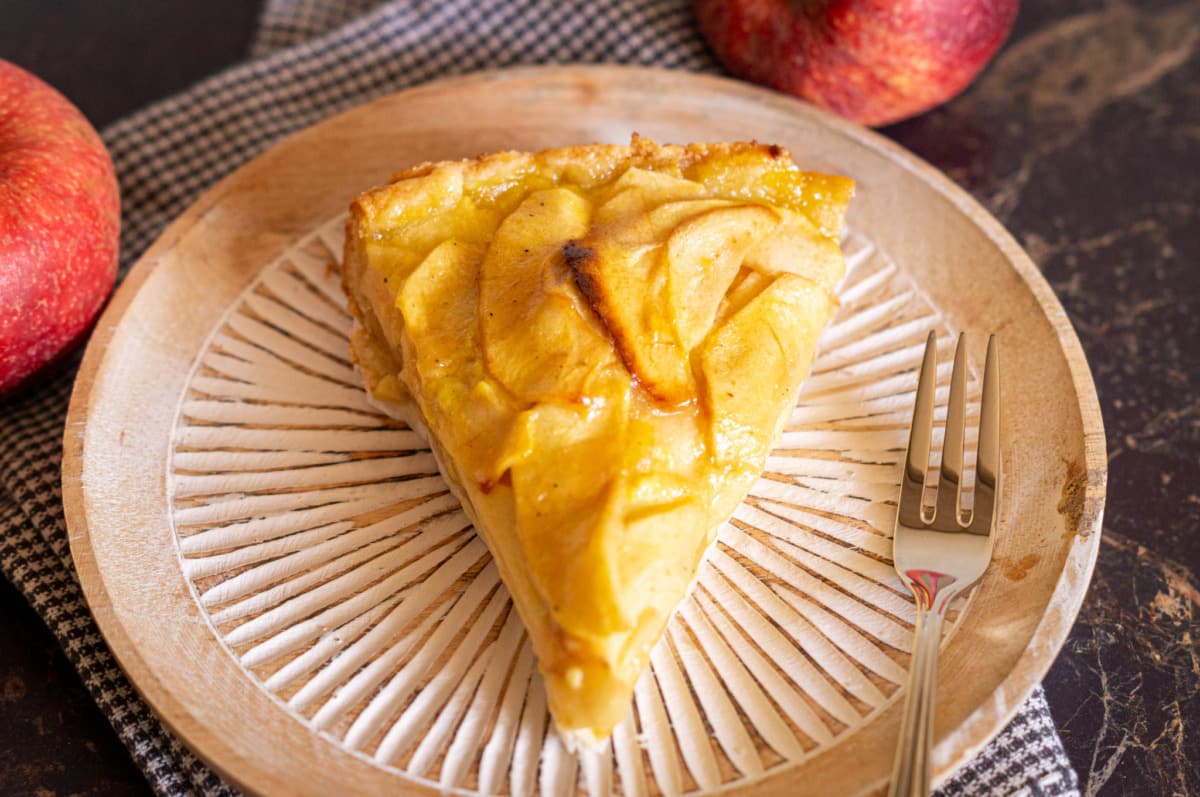
Quinces in more recipes (1 recipes)
Goes well with quinces
These seasonal ingredients are in season at the same time, ideal for combining:
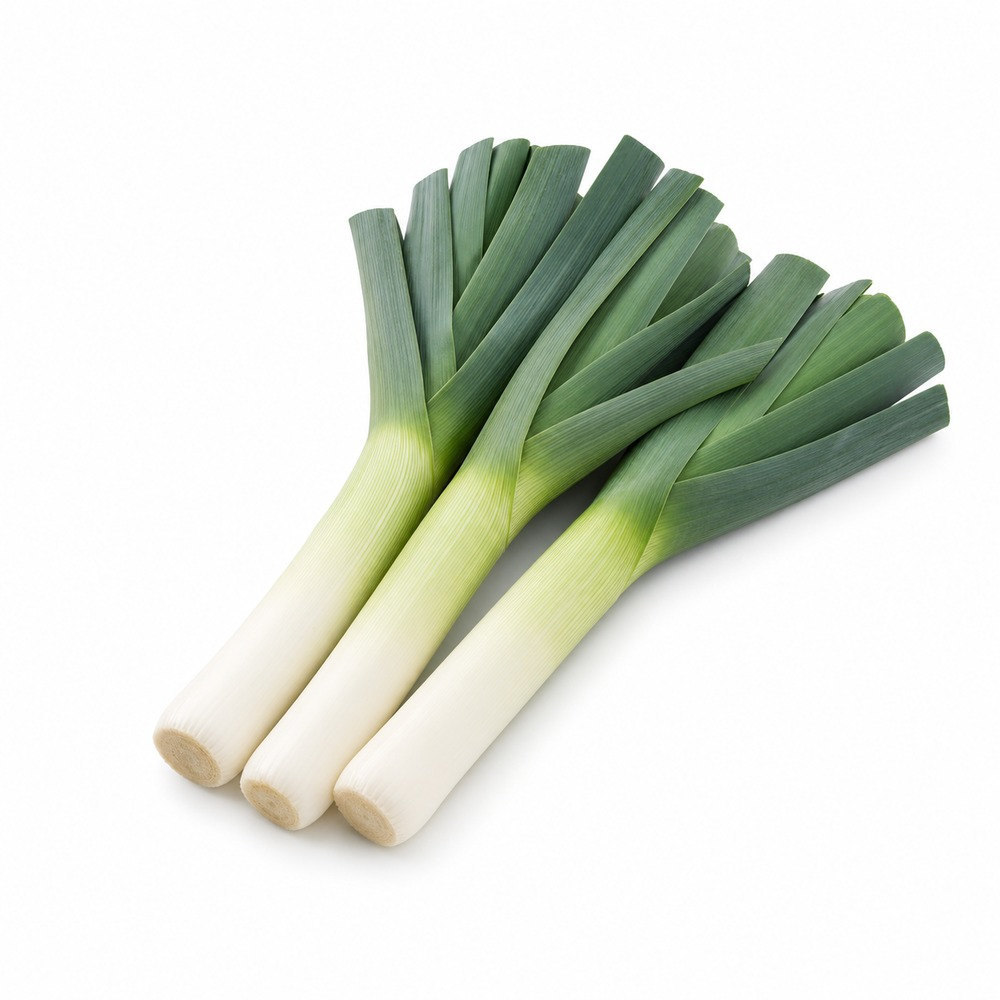 Leeks
Leeks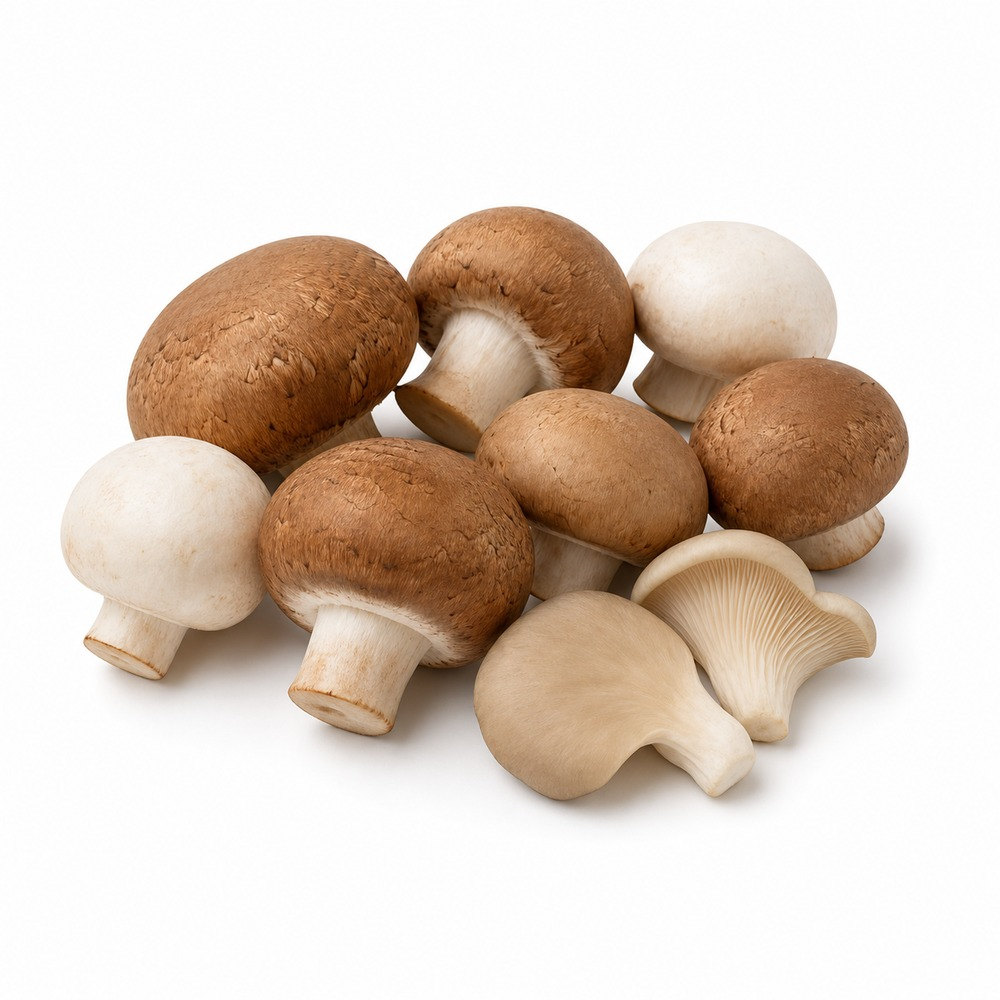 Mushrooms
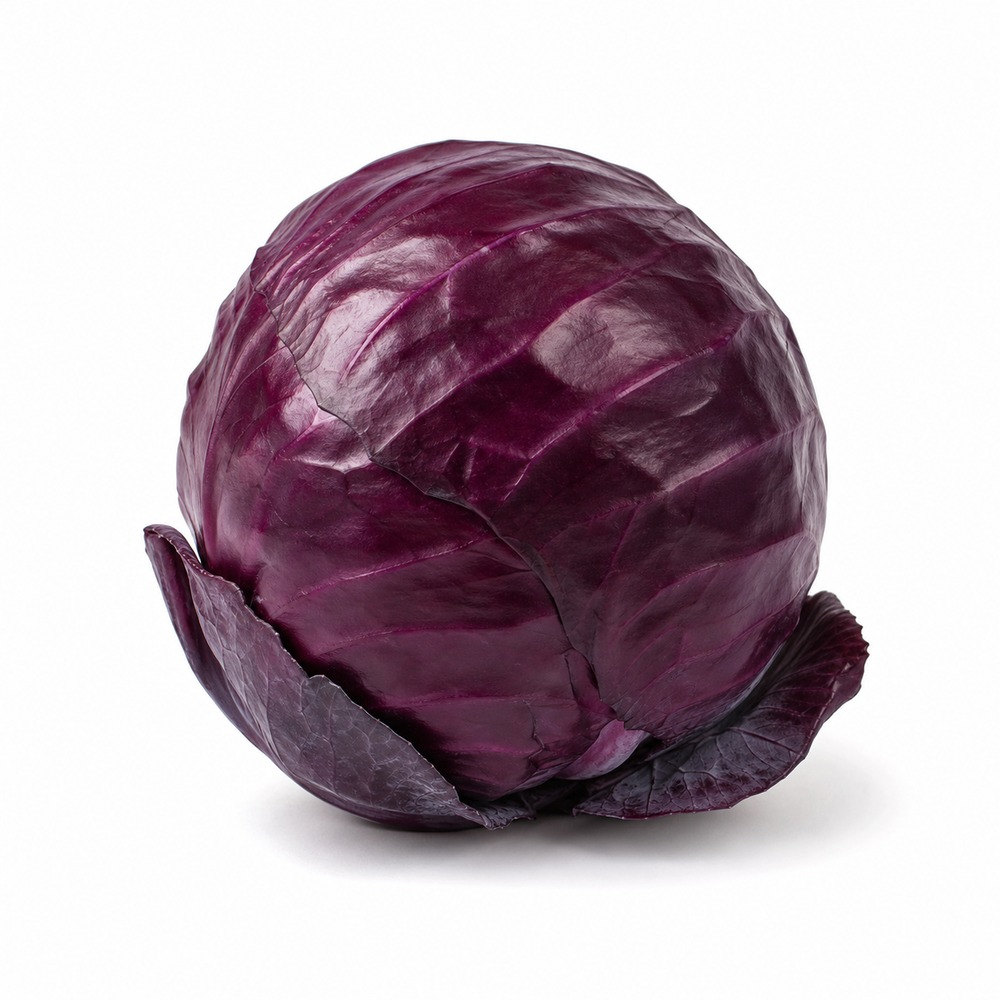 Red Cabbage
 Parsnips
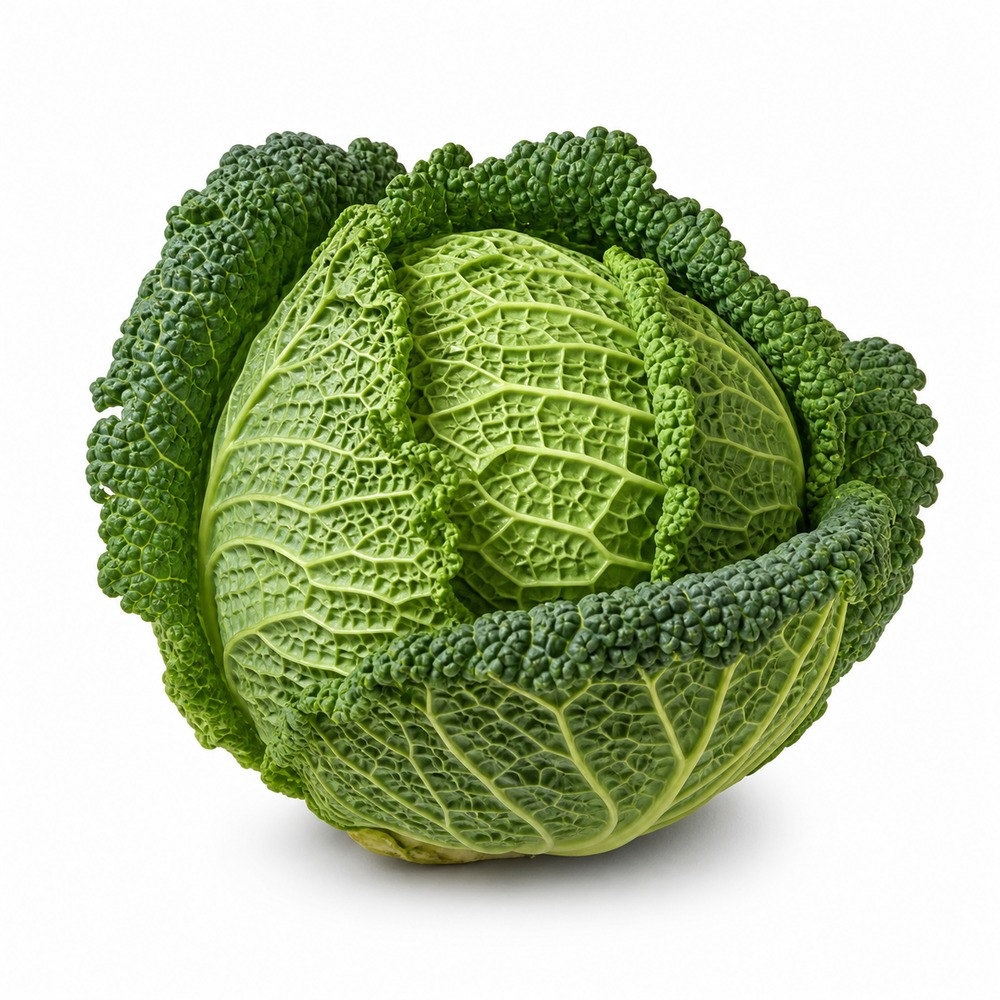 Savoy Cabbage
 Peppers
Quinces in the monthly calendar:
Good to know
Why can quinces not be eaten raw?
European quinces contain a great deal of tannin, which makes the raw flesh hard, bitter and astringent. Only through cooking do the tannins break down and the typical, aromatic quince flavour comes through.
Why does quince jelly turn red when cooked?
During the long heating, natural anthocyanins form from the phenols in the quince. These pigments turn the initially yellow juice pink to a bright red. It is a sign that the quinces have been cooked for long enough.
How long do quinces keep?
In a cool, dark cellar at around 2 °C, quinces keep for up to two months. Importantly, always store them separately, as their intense aroma transfers to other foods immediately. In a normal fridge they keep for two to three weeks.
Do you need to peel quinces?
For jelly, no: the skin and core hold the most pectin and should be cooked out with the fruit. Strain the liquid afterwards. For quince paste or compote, peel the fruit after the initial cooking, once the flesh is soft enough.
How many Thermomix® recipes with quinces are there?
There are currently 2 recipes in our collection. You will find them above, sorted by main ingredient and supporting ingredient.