Cacio e Pepe is the Roman dish for days when cooking is the last thing you want to do. Three ingredients, two steps, done. We make this pasta regularly when nobody has the energy for anything complicated after a long day. The Thermomix® grates the Parmesan at speed 10 in 10 seconds and builds the butter-oil base in 3 minutes at 100°C. The rest is just timing.
Cacio e Pepe literally means “cheese and pepper”. The recipe comes from Rome and uses no cream, no egg, no garlic. The three main ingredients are pasta, Parmesan (or Pecorino) and black pepper. The sauce comes together through the combination of fat, starch from the pasta water and the grated cheese. The classic version is served with long pasta such as spaghetti, tonnarelli or vermicelli.
Spaghetti Cacio e Pepe with the Thermomix®

Ingredients 0 / 7 ✓
- 500 g spaghetti
- 150 g Parmesan
- 60 g olive oil
- 50 g butter
- 1/2 tsp salt
- 40 g rocket optional
- 1 tbsp black pepper coarsely ground
Instructions 0 / 5
-
1
Cook the pasta.
Cook the spaghetti in plenty of salted water according to packet instructions.
-
2
Grate the Parmesan.
Meanwhile, add the Parmesan in pieces to the mixing bowl and grate for 10 sec / speed 10. Set two tablespoons of the grated Parmesan aside.
-
3
Melt the butter.
Add the olive oil, butter and salt to the mixing bowl and cook for 3 min / 100°C / speed 1.
-
4
Wash the rocket.
Meanwhile, wash the rocket and remove the thick stalks.
-
5
Serve.
Toss the spaghetti with the sauce, plate up, garnish with rocket and serve scattered with pepper and the remaining Parmesan.
Tip: These Spaghetti Cacio e Pepe taste best served alongside a fresh, colourful salad.
Video
Nutrition per serving
Parmesan or Pecorino: the difference matters
Parmesan (Parmigiano Reggiano) is an Italian hard cheese made from cow’s milk. It is aged for at least 12 months and has a mild, nutty flavour. For Cacio e Pepe we use 150 g of freshly grated Parmesan. The Thermomix® chops the cheese in pieces in 10 seconds at speed 10.
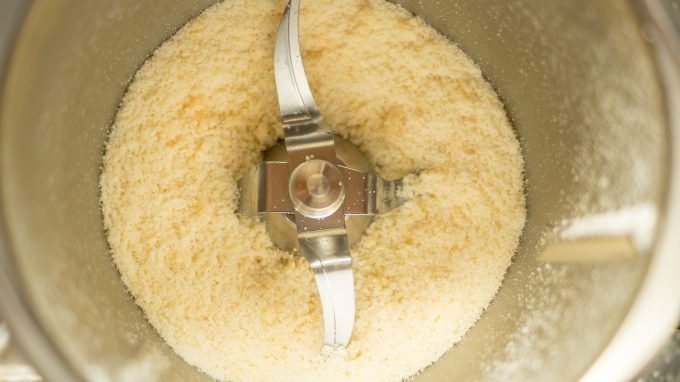
Pecorino Romano is a hard cheese made from sheep’s milk. It tastes saltier and sharper than Parmesan. Traditionally, Cacio e Pepe is made with Pecorino because the dish comes from Rome and Pecorino is the standard cheese there. If you prefer the saltier flavour, replace the Parmesan entirely with Pecorino. The quantity stays the same.
Grana Padano is also a hard cow’s milk cheese, but somewhat milder than Parmesan and less expensive. It works as a substitute if you have no Parmesan to hand. Ageing takes at least 9 months. For Cacio e Pepe we use the medium-aged variety (16 months) because it has more flavour.
Butter and olive oil as the fat base
The sauce is made from 50 g butter and 60 g olive oil. We melt both together with half a teaspoon of salt in the mixing bowl at 100°C on speed 1 for 3 minutes. The fat forms the base in which the cheese later dissolves. Without fat the cheese would clump together, because the starch from the pasta water alone is not enough to bind a smooth sauce.
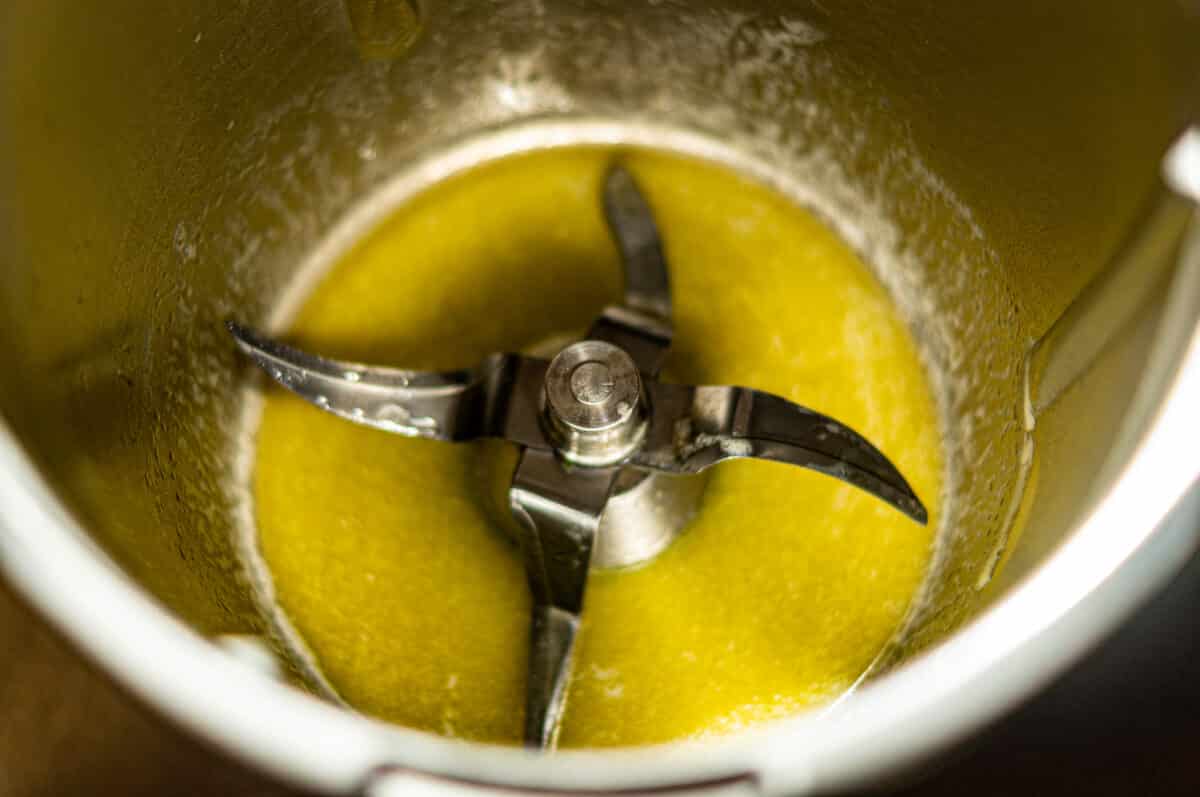
Butter alone would be too heavy, olive oil alone too light. The combination ensures the sauce turns creamy without tasting greasy. If the sauce becomes too thick, add a splash of pasta water and stir everything through on the plate with the spaghetti. The starchy water helps adjust the consistency.
Grind the pepper coarsely, not finely
Cacio e Pepe lives by its black pepper. We use 1 tbsp of coarsely ground pepper. Coarsely ground means the grains remain visible and you feel them between your teeth when you chew. Fine pepper disappears into the sauce and delivers only heat but no bite. The pepper is scattered over the plated dishes at the very end, not stirred into the sauce.
If you grind the pepper yourself, set the mill to its coarsest setting. Ready-bought coarsely ground pepper works just as well. The important thing is that the pepper smells fresh. Old pepper loses its aroma and tastes only sharp, no longer spicy.
Cook the spaghetti in a separate pot at the same time
The 500 g of spaghetti are not cooked in the Thermomix®, but in a separate saucepan with plenty of salted water according to packet instructions. While the pasta cooks, we prepare the sauce in the mixing bowl. This saves time because both run simultaneously.
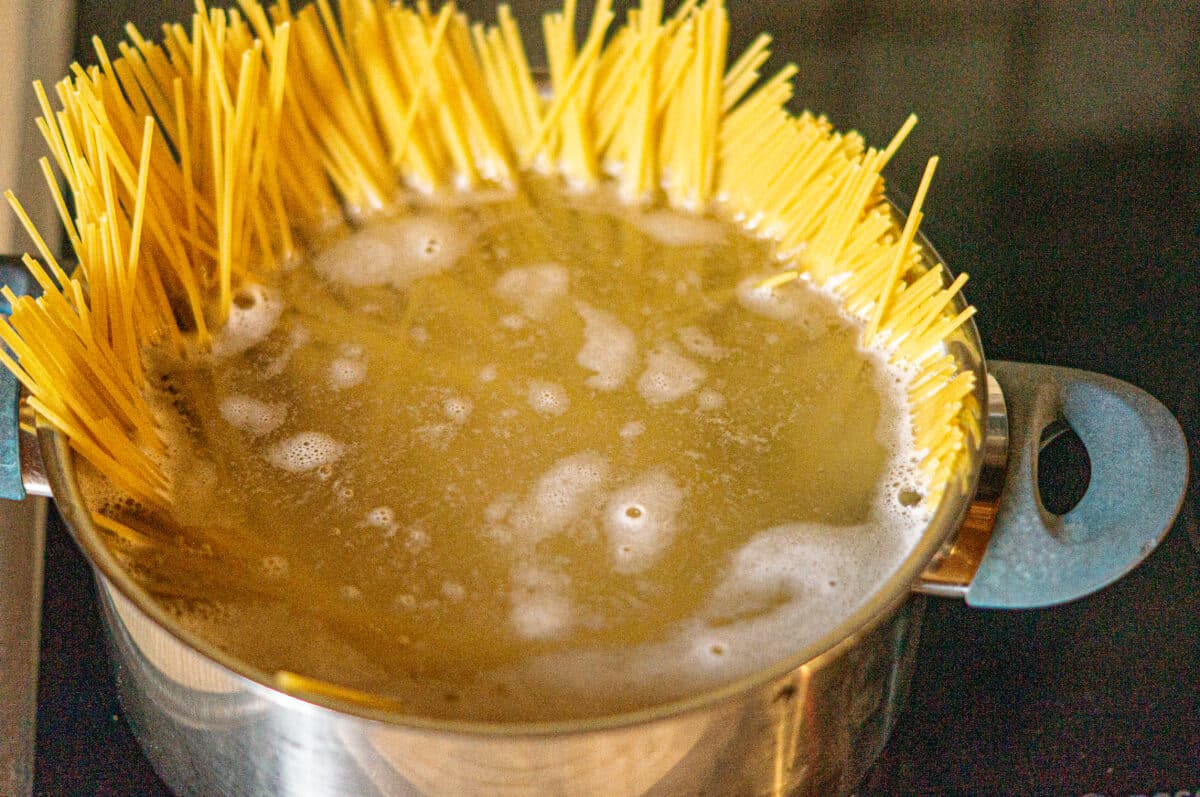
Make sure there is enough water in the pot. The spaghetti need room to move around. Too little water causes the pasta to stick together and cook unevenly. The salted water should taste like the sea, otherwise the pasta will be bland.
Rocket as an optional fresh contrast
40 g of rocket is optional, but we like to add it. The rocket provides a peppery, slightly bitter contrast to the rich, mild cheese and butter sauce. Wash it before use and remove the thick stalks. The stalks are often woody and do not suit the creamy texture of the pasta.
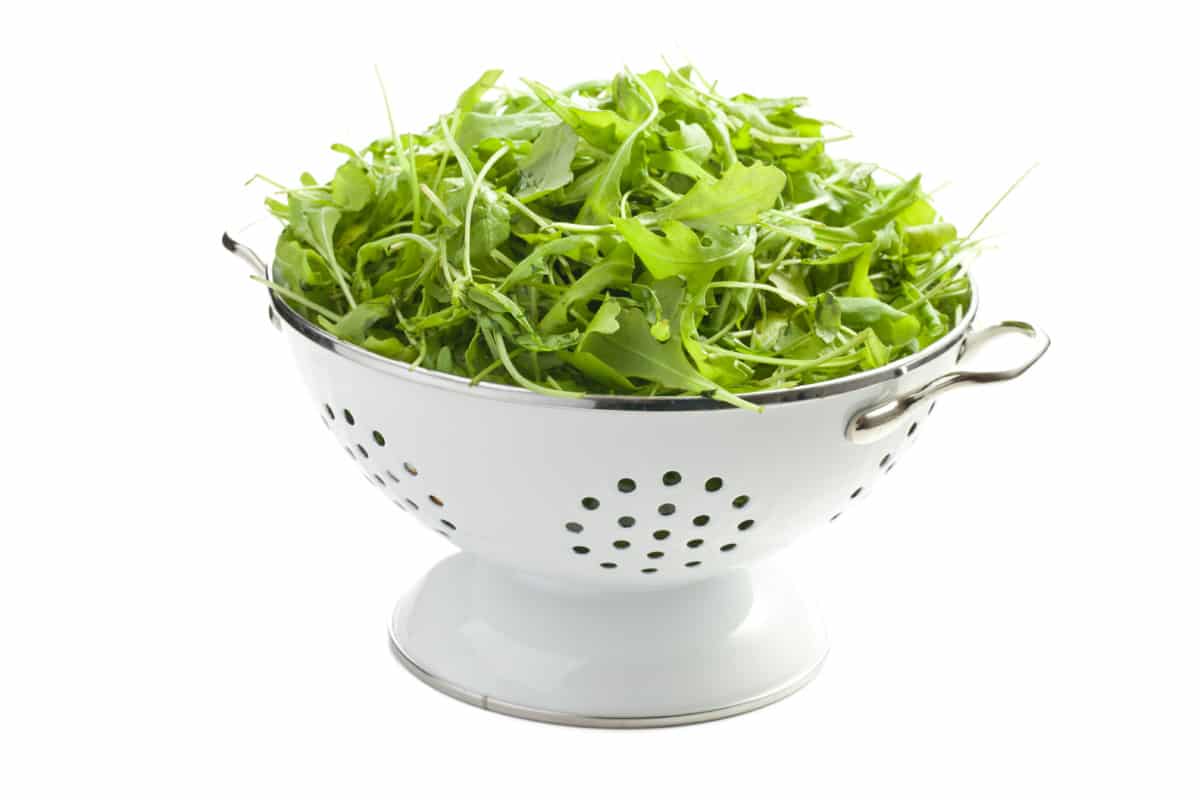
Add the rocket only at the very end, on top of the plated dishes. If you mix it into the hot sauce too early, it collapses and goes limp. Fresh, crisp rocket is the finishing touch that lifts the whole dish.
Serving: bringing the sauce and pasta together
Drain the cooked spaghetti (keep a splash of pasta water!) and toss with the butter-oil sauce from the mixing bowl. Divide between plates, garnish with rocket and scatter with the remaining grated Parmesan and coarsely ground pepper. If the sauce is too thick, add some of the reserved pasta water and stir everything through.
The pasta water is important because it contains starch, which binds the sauce. Without pasta water the sauce turns crumbly rather than creamy. Add the water a spoonful at a time until the consistency is right.
More pasta recipes
If you enjoy Cacio e Pepe, try our Thermomix® Carbonara or our quick summer spaghetti. For homemade pasta we have a Thermomix® pasta dough recipe that is easy to prepare in advance.
More pasta recipes to explore:
- Thermomix® Spaghetti Bolognese
- Green spelt Bolognese
- Thermomix® Carrot and Tomato Sauce
- Spaghetti with mince and cream cheese sauce
- Spaghetti al burro