We have been cooking this curry regularly for years because it solves two problems at once: it fills you up without rice, and it still tastes rich and exotic. The halloumi makes the difference. 250 g of cheese for 2 servings delivers 33 g of protein per bowl, which keeps you going until the evening. The coconut milk binds the curry paste into a sauce that does not turn watery. 35 minutes from start to finish.
Coconut Milk Curry with Halloumi, Thermomix®

Ingredients 0 / 12 ✓
- 50 g spring onion white parts
- 1 red pepper
- 150 g carrot
- 2 garlic cloves
- 1 shallot
- 10 g olive oil
- 250 g coconut milk
- 1 tsp curry paste
- 1/2 tsp salt
- ¼ tsp black pepper
- 250 g halloumi
- 100 g fresh sprouts of your choice
Instructions 0 / 8
-
1
Chop the spring onions.
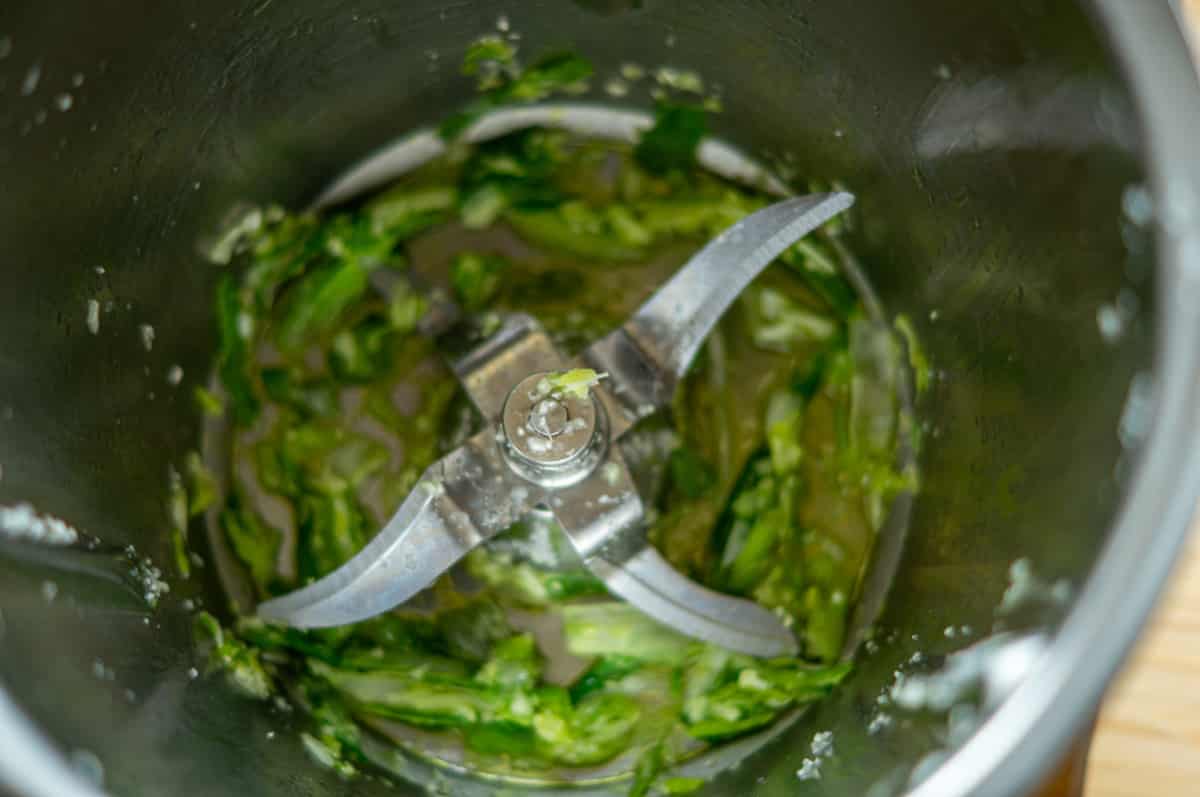
Wash, trim and cut the spring onions into pieces. Add them to the mixing bowl and chop for 3 sec / speed 5.
-
2
Chop the pepper and carrots.
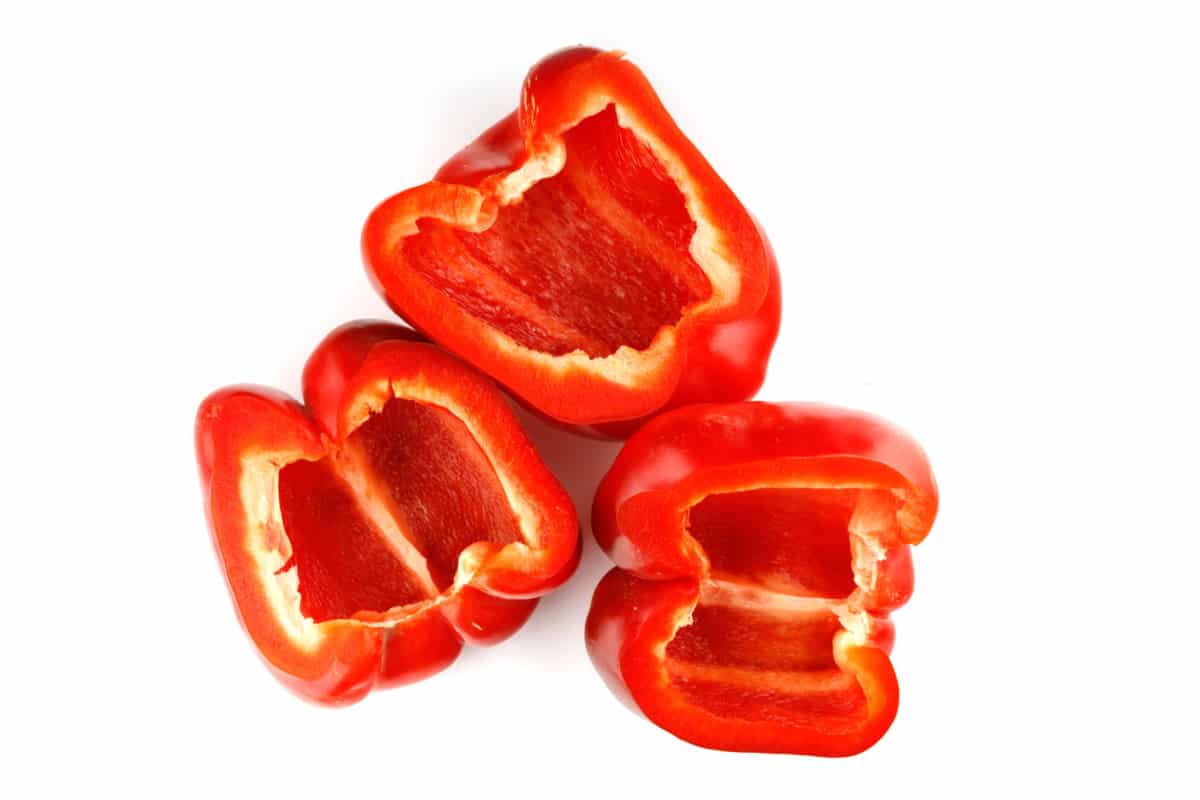
Wash the pepper, quarter it, remove the seeds and cut into pieces. Wash the carrots and cut into pieces. Add the pepper and carrots to the mixing bowl, chop for 3 sec / speed 5 and set aside.
-
3
Chop the garlic and shallot.
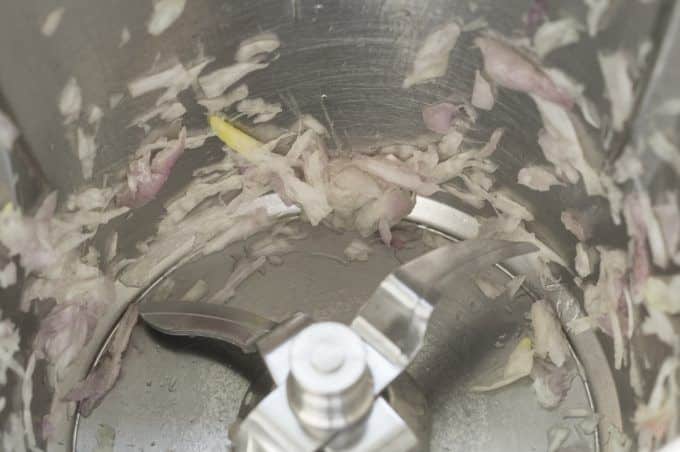
Peel the garlic, add to the mixing bowl and chop for 3 sec / speed 8. Peel the shallot, add to the mixing bowl, chop for 3 sec / speed 5 and scrape down with the spatula.
-
4
Sweat the garlic and shallot.
Add the olive oil to the mixing bowl and sweat for 2 min / 120°C / reverse direction / speed 1.
-
5
Sweat the vegetables.
Add the vegetable mixture to the mixing bowl and cook for a further 3 min / 120°C / reverse direction / speed 1.
-
6
Heat the sauce.
Add the coconut milk, curry paste, salt and pepper to the mixing bowl and heat for 15 min / 90°C / reverse direction / speed 1.
-
7
Fry the halloumi.
Meanwhile, slice the halloumi and fry in a non-stick pan without any fat.
-
8
Serve.
Arrange the curry with the sprouts and halloumi.
Tip: Try the curry with other vegetables such as tomatoes or courgette.
Nutrition per serving
Why halloumi instead of chicken or tofu
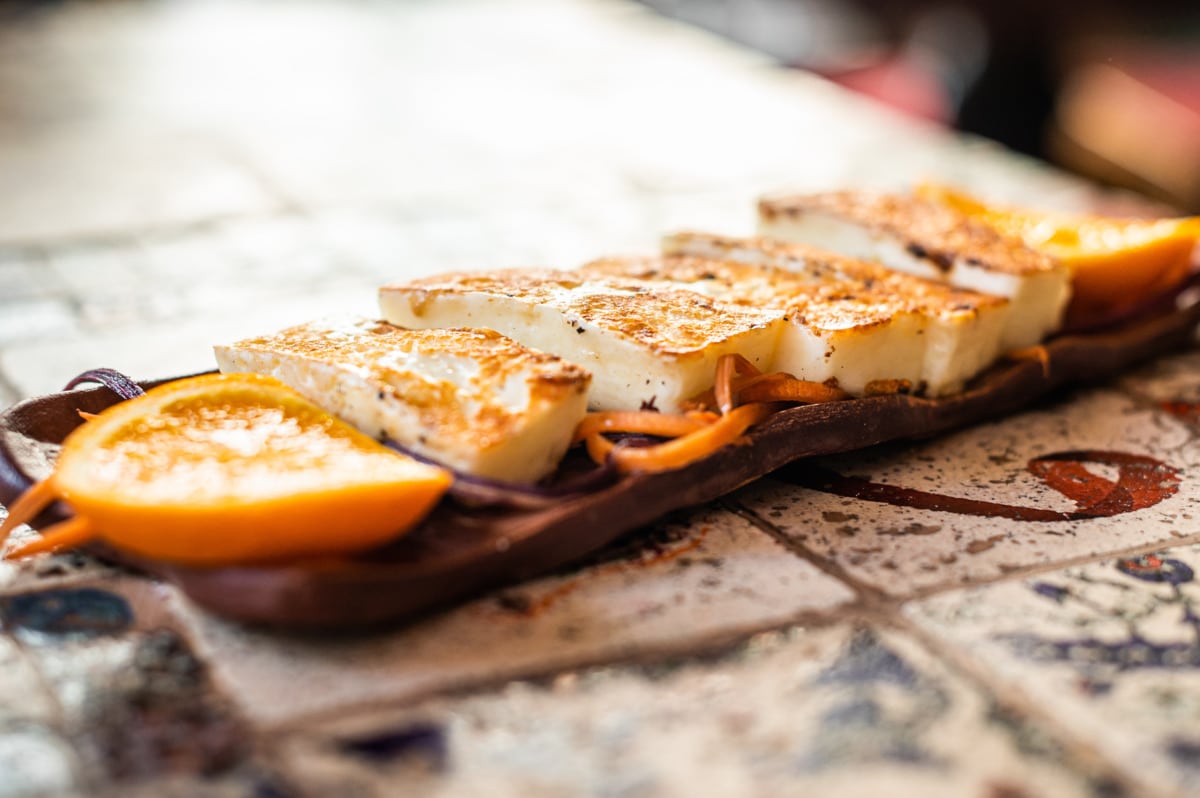
Halloumi is a Cypriot grilling cheese made from sheep and goat milk with a proportion of cow’s milk. It does not melt when fried. Instead, it develops a golden-brown crust and stays firm inside. That is why it works so well in this curry: you can fry it in a pan at the same time as the Thermomix® is cooking, and it will not fall apart. Chicken would need to be diced and cooked separately, and tofu absorbs the sauce and turns mushy. Halloumi holds its structure, has a slight squeak when you bite into it, and releases salt that balances the curry paste.
The salt content is around 2 to 3 %, which means the cheese keeps in the fridge for up to a year. We usually use the block from Lidl or Aldi, which costs about 2 euros per 200 g pack. For 2 portions of curry you need 250 g, which is roughly 1.25 packs. Before frying, we slice the halloumi into 1 cm thick slices. Place them in a non-stick pan without any fat over a medium heat, 2 to 3 minutes per side. The slices develop roasted flavours that carry through into the curry once served.
Vegetable order: aromatics first, then flavouring vegetables, sauce last
The recipe is built in three layers. First, the garlic and shallot are sweated in 10 g of olive oil at 120°C for 2 minutes. This builds the aromatic base. Then the spring onions, pepper and carrots go in for a further 3 minutes at 120°C. The vegetables stay slightly firm but release moisture. Only after that is the coconut milk added with the curry paste, and everything is heated for 15 minutes at 90°C.
If you add the coconut milk too early, it dilutes the aromatics and the vegetables do not sweat properly. If you let the vegetables cook too long, they turn mushy. The 3 minutes at 120°C is the window in which the pepper and carrots develop sweetness without falling apart. Reverse direction is essential from the moment the coconut milk is in the mixing bowl. Otherwise the Thermomix® will chop the vegetables and the sauce will become a puree.
Dosing curry paste: measure, do not guess
1 tsp of curry paste per 250 g of coconut milk is the base. The paste you choose determines the heat and character of the dish. Red curry paste is medium-hot, yellow is mild, green is hot. We usually use the red paste from Thai Kitchen or Cock Brand, available in Asian food shops or online. If you only have curry powder, the recipe will not turn out the same, because curry paste contains not just spices but also lemongrass, galangal and shrimp paste. Those are the components that make the curry complex.
If you prefer a spicier curry, increase the paste to 1.5 tsp. More than 2 tsp will overpower the coconut milk. If you are cooking for children, reduce to 1/2 tsp and use yellow paste. The acidity of the curry paste reacts with the coconut milk to form an emulsified sauce that does not split. That is why the order matters: cook the vegetables first, then add the paste and coconut milk, then simply heat at 90°C without boiling further.
Sprouts as a finish, not just decoration
100 g of fresh sprouts give the curry bite and freshness. We usually use mung bean sprouts or alfalfa, both of which are available pre-packaged in the chilled section. The sprouts are scattered over the curry when serving, not cooked in it. If you cook them in, they turn soft and lose their texture. The curry is creamy and gentle; the sprouts provide the contrast.
If you do not like sprouts or cannot find them, replace them with fresh coriander or Thai basil. These are also added at the table. Another option is toasted cashew nuts, which add crunch and richness. About 20 g per portion, toasted in a dry pan until they smell nutty.
Low carb without rice only works with enough protein
This curry has 23 g of carbohydrates per portion, most of which comes from the vegetables and coconut milk. Without rice, it is a low-carb meal. But only if you include enough protein, otherwise you will be hungry again within two hours. 250 g of halloumi provides 60 g of protein in total, which is 30 g per portion. Together with the coconut milk and sprouts, you land at around 33 g of protein per bowl.
If you serve the curry with rice, it will no longer be a low-carb dish. 100 g of cooked rice adds around 28 g of carbohydrates, bringing the total to over 50 g per portion. That is not a problem in itself, but it is no longer a low-carb meal. We usually eat this curry without rice, just with the sprouts and halloumi. It fills you up until the evening without sitting heavy.
Buying coconut milk: fat content matters
Use coconut milk with at least 60 % coconut content, not the light version with 30 %. The reduced-fat version splits when heated and turns watery. We usually use Aroy-D or Chaokoh tins, which cost around 1.50 euros per 400 ml tin. The recipe calls for 250 g, which is just over half a tin. You can keep the rest in a screw-top jar in the fridge for 3 to 4 days, or freeze it.
Goes well with: Naan bread.
If the coconut milk has solidified at the top of the tin, that is not a sign of poor quality. Coconut fat sets below 25°C. Stand the tin briefly in warm water or shake it before opening, and the milk will become liquid again. Alternatively, add the solid mass directly to the Thermomix® and let it melt at 90°C.
If you enjoy this recipe, try some of our other curry variations: Fruity Vegetable Curry with Chicken, Vegetable Curry with Turkey, or Spring Chicken with Yoghurt Sauce.